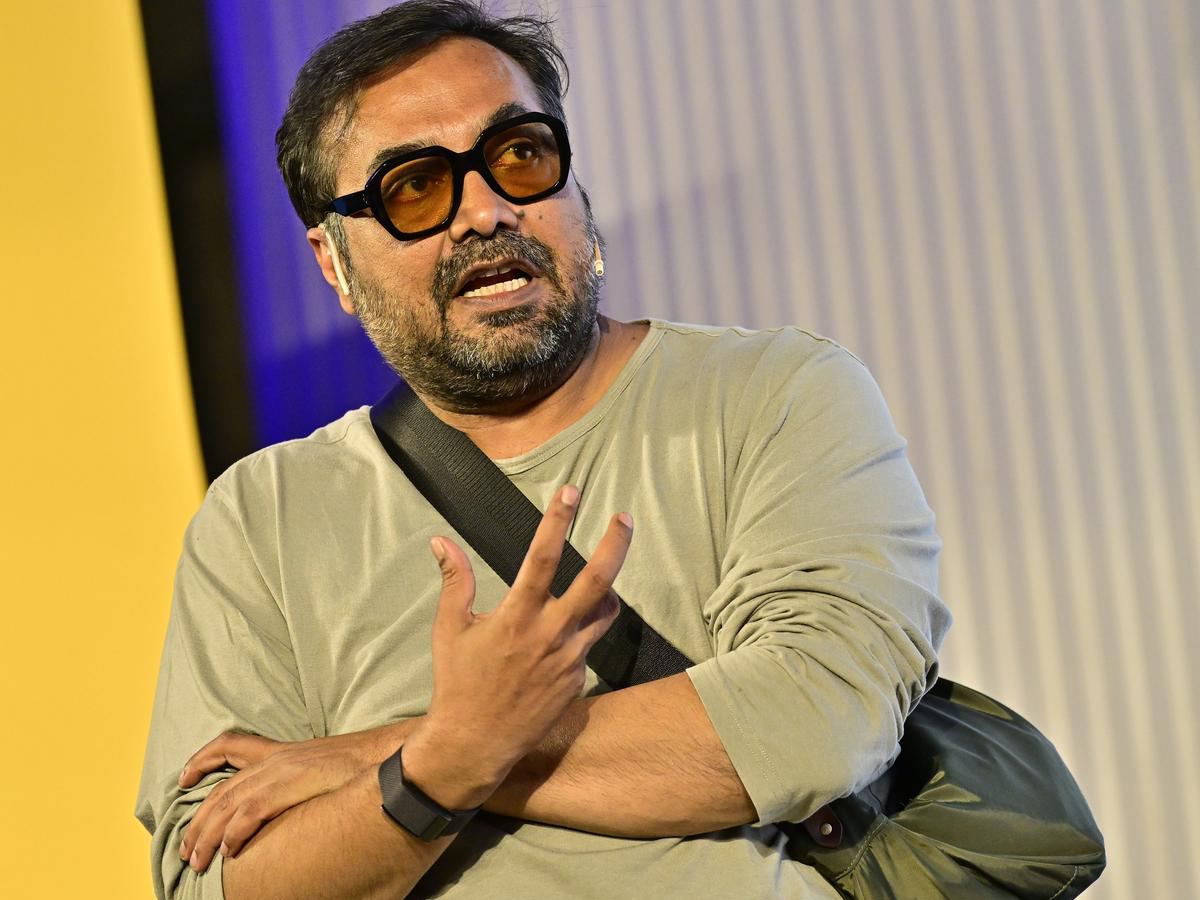
Filmmaker Anurag Kashyap has created waves across the film community with his emotional and thought-provoking review of Dhadak 2. In a heartfelt Instagram post, Kashyap praised the film for showing audiences a raw and unfiltered version of India—one often hidden from urban bubbles. His words struck a chord not just because of what he said, but because of how he positioned the film in the grand legacy of socially conscious Indian cinema led by names like Raj Kapoor and Guru Dutt.
Anurag didn’t stop at general praise—he compared Dhadak 2 directly to the works of Indian cinematic legends such as Bimal Roy, K. A. Abbas, B. R. Chopra, and Yash Chopra. He argued that mainstream Bollywood had long forgotten its roots in meaningful, socio-political storytelling, and how these themes were now mostly found in indie art house films. In doing so, Kashyap reignited an important conversation on what Hindi cinema used to be, and what it should strive to become again.
The director of Gangs of Wasseypur also drew attention to how Tamil and South Indian cinema, unlike Bollywood, continues to highlight social injustice in mainstream formats. He applauded Dhadak 2 for being a powerful adaptation of Mari Selvaraj’s Pariyerum Perumal—a film known for its hard-hitting exploration of caste and discrimination. He commended director Shazia Iqbal and the producers for retaining the soul of the original in a mainstream Hindi format.
Produced by Dharma Productions, Zee Studios, and Cloud 9 Pictures, Dhadak 2 is more than just a sequel to the 2018 romantic drama. It is a cinematic bridge between critical storytelling and mass appeal. Anurag shared how he watched the film with his long-time friend and driver, Narayan Ji. Both were left weeping by the end, deeply moved by the narrative’s honesty and its relevance to real-life experiences many ignore.
As Dhadak 2 gains momentum, audiences and critics alike are beginning to echo Kashyap’s sentiments. Many feel the film could mark a turning point for mainstream Bollywood—a return to meaningful narratives with emotional heft. It offers hope that the Hindi film industry may finally be ready to shed its formulaic skin and embrace the kind of impactful cinema that once defined its golden era.