The re-release trend in Tollywood is now reaching a stage where nostalgia is slowly starting to compete with new cinema itself. What began as an emotional celebration for fans has gradually evolved into a parallel business model, and many within the industry are no longer sure whether that is healthy for theatres in the long run.
A few years ago, re-releases felt special because they were rare. Watching old classics on the big screen carried emotional value, and fans treated those screenings like events rather than regular releases. But now, with multiple old films returning to theatres almost every month, the trend is starting to feel more commercial than nostalgic.
The latest debate surrounding Mahesh Babu’s films reflects that concern clearly.
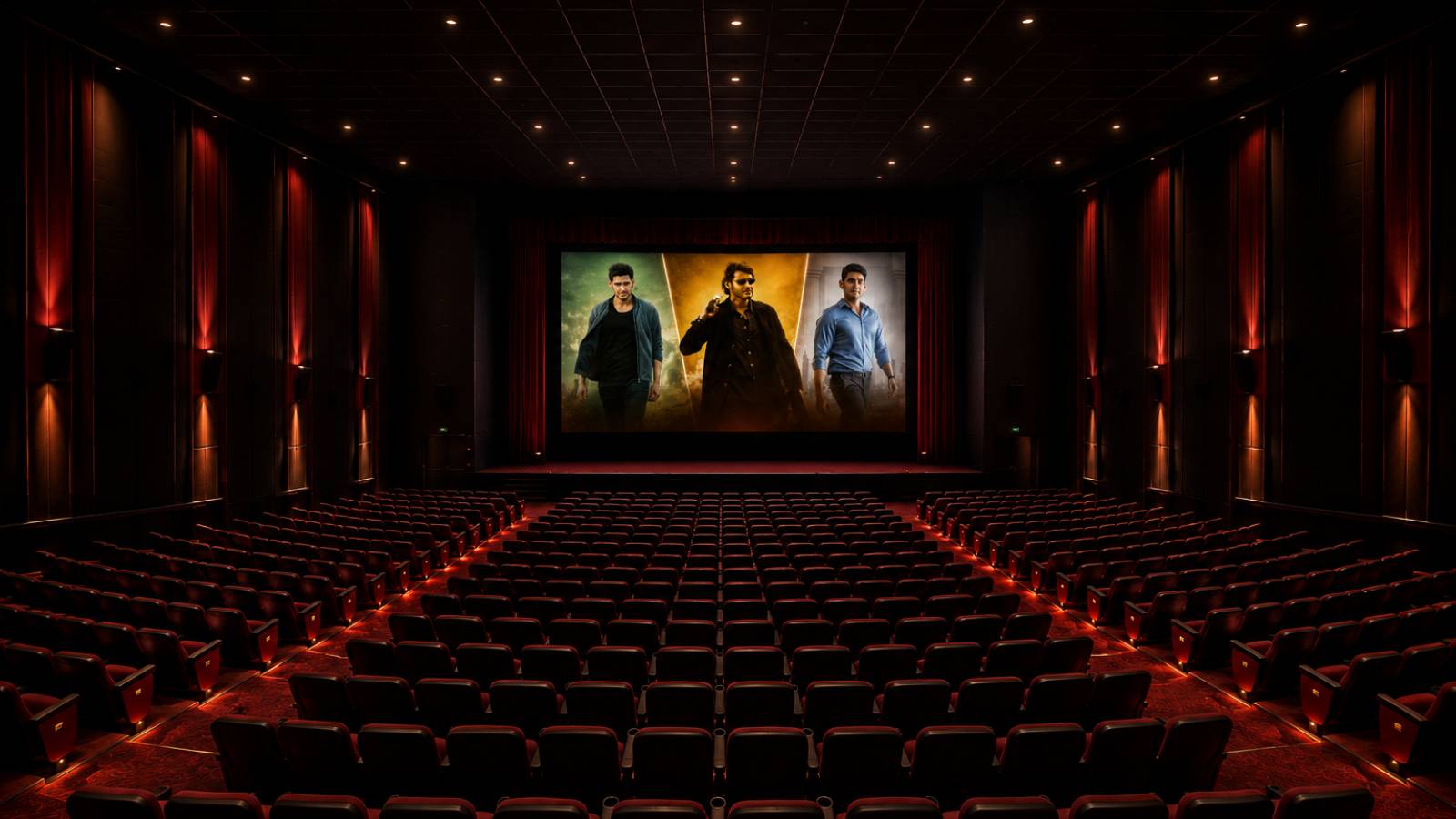
For legendary superstar Krishna’s birth anniversary on May 31, many fans expected classics like Simhasanam or Alluri Seetharama Raju to return to theatres. Instead, reports suggest films like Athidhi, Bharat Ane Nenu, and 1: Nenokkadine are being planned for simultaneous re-release. Since these films were neither major blockbusters nor universally celebrated classics, the decision has triggered mixed reactions.
Interestingly, the backlash is not just coming from neutral audiences. Even sections of Mahesh Babu’s fan base feel the re-release culture is becoming excessive. Many believe repeatedly asking fans to spend money on old films within short gaps could eventually lead to fatigue.
A major reason behind this shift is the growing role of third-party distributors. Earlier, producers selectively planned re-releases for anniversaries or special occasions. Now, independent distributors are reportedly buying older film rights cheaply, creating aggressive social media hype, and turning nostalgia into a steady theatrical business model.
That is where the larger concern begins.
Theatres are already struggling because of inconsistent footfalls for new films, especially smaller and medium-budget releases. But when re-releases guarantee safer fan turnout, exhibitors naturally start preferring them over risky fresh content. Trade circles already point to films like Khaleja and Kushi affecting smaller releases during the same period.
Combined with premium ticket pricing for decades-old films, many moviegoers now feel the industry is monetizing nostalgia too aggressively. Ironically, the success of re-releases itself created this situation. Fans turned films like Pokiri and Murari into massive theatrical celebrations again, but once the commercial potential became clear, the formula started repeating too often.
At a time when audiences constantly complain about weak original content, repeatedly recycling old films cannot become a permanent substitute for fresh storytelling. Theatres ultimately survive not just through nostalgia, but through new cinematic memories being created continuously.
That is why many industry observers feel re-releases should remain occasional event experiences rather than becoming regular business exercises. Otherwise, the trend could eventually discourage emerging filmmakers while shrinking theatrical space for original cinema even further.
Ironically, the industry keeps asking why audiences are losing excitement for theatres. But if theatres increasingly become spaces dominated only by recycled nostalgia or giant star spectacles, smaller new films may slowly lose the breathing space needed to discover audiences naturally.
And in the long run, that could damage theatrical culture far more than OTT platforms ever could.