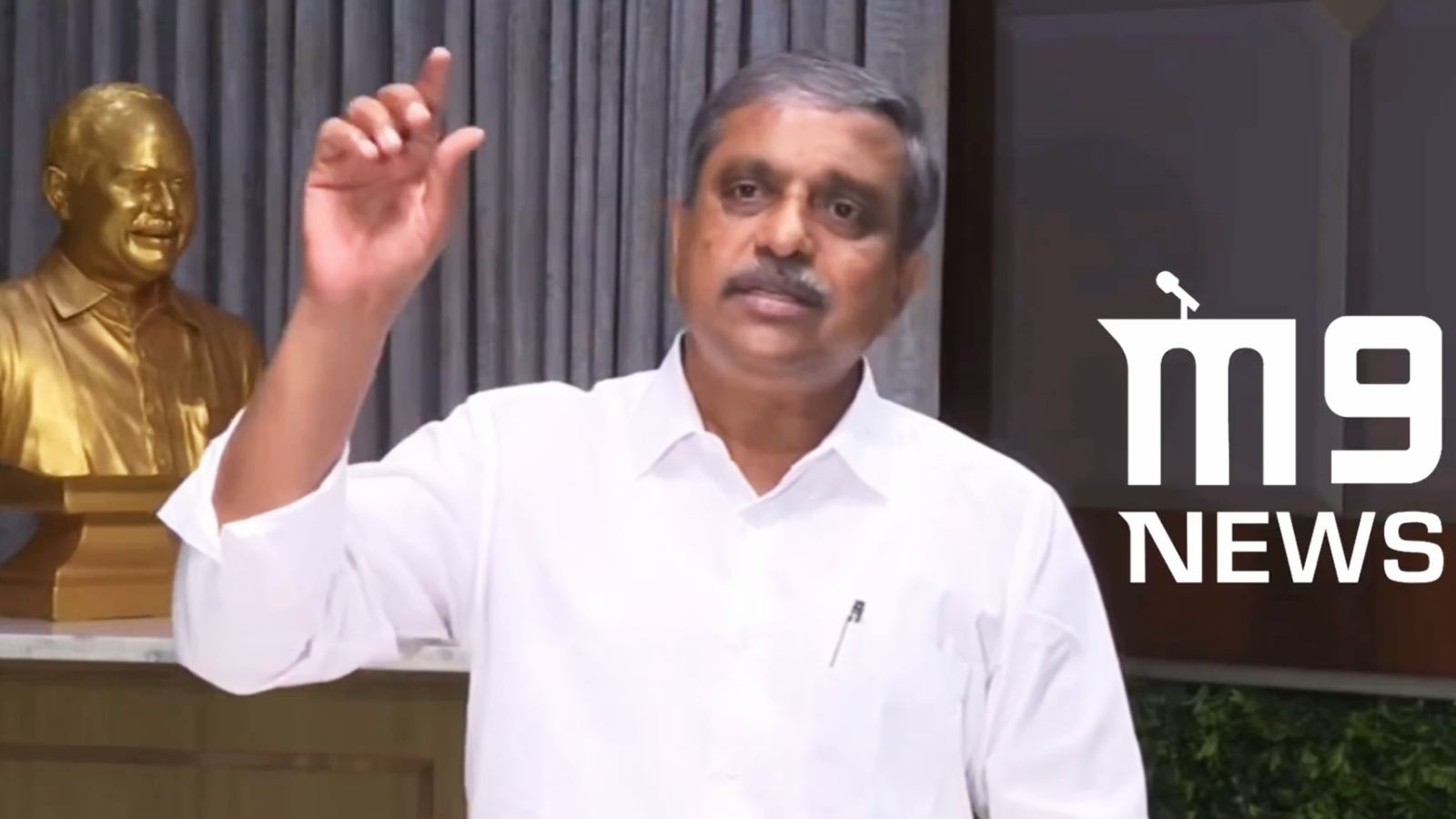
On March 26, Sajjala Ramakrishna Reddy said Y. S. Jagan Mohan Reddy was never against Amaravati.
That claim runs against what people witnessed between 2019 and 2024.
During that period, Amaravati was repeatedly described as a scam, a real estate venture and a flood prone stretch. The narrative was clear. The project was not defended. It was questioned, criticised and often dismissed.
After Andhra Pradesh lost Hyderabad in 2014, Amaravati was not just a capital project. It was an attempt to rebuild administrative strength and public confidence. Nearly 29,000 farmers pooled around 33,000 acres, placing trust in a long term vision.
That trust faced uncertainty after 2019.
Construction slowed down. The three capitals proposal reduced Amaravati’s role. Policy direction kept changing. The Singapore consortium exited. Investor confidence weakened.
This was not just a shift in policy. It was a shift in approach.
Before coming to power, there was no strong opposition to Amaravati. After assuming office, the stance changed and translated into government policy. Today, that phase is being reinterpreted.
But public memory is not so easy to reset.
In 2024, voters responded to what they experienced during those years. Now, in 2026, a different narrative is being presented. That Amaravati was never opposed.
Politics allows leaders to change their stand.
But people remember what they have already seen.
What is now being projected as consistency looks, to many, like a reversal of a phase that is still fresh in public memory.
#UTurn ఏం అమరావతి AP లో పార్ట్ కాదా? మాకు ఓట్లు రాలేదా ఇక్కడ?
జగన్ మోహన్ రెడ్డి గారికి కానీ, వైసీపీ కి కానీ అమరావతి మీద ఎలాంటి అభ్యంతరం లేదు.#Amaravati #APCapital pic.twitter.com/QgAcFu8Wn1
— M9 NEWS (@M9News_) March 26, 2026