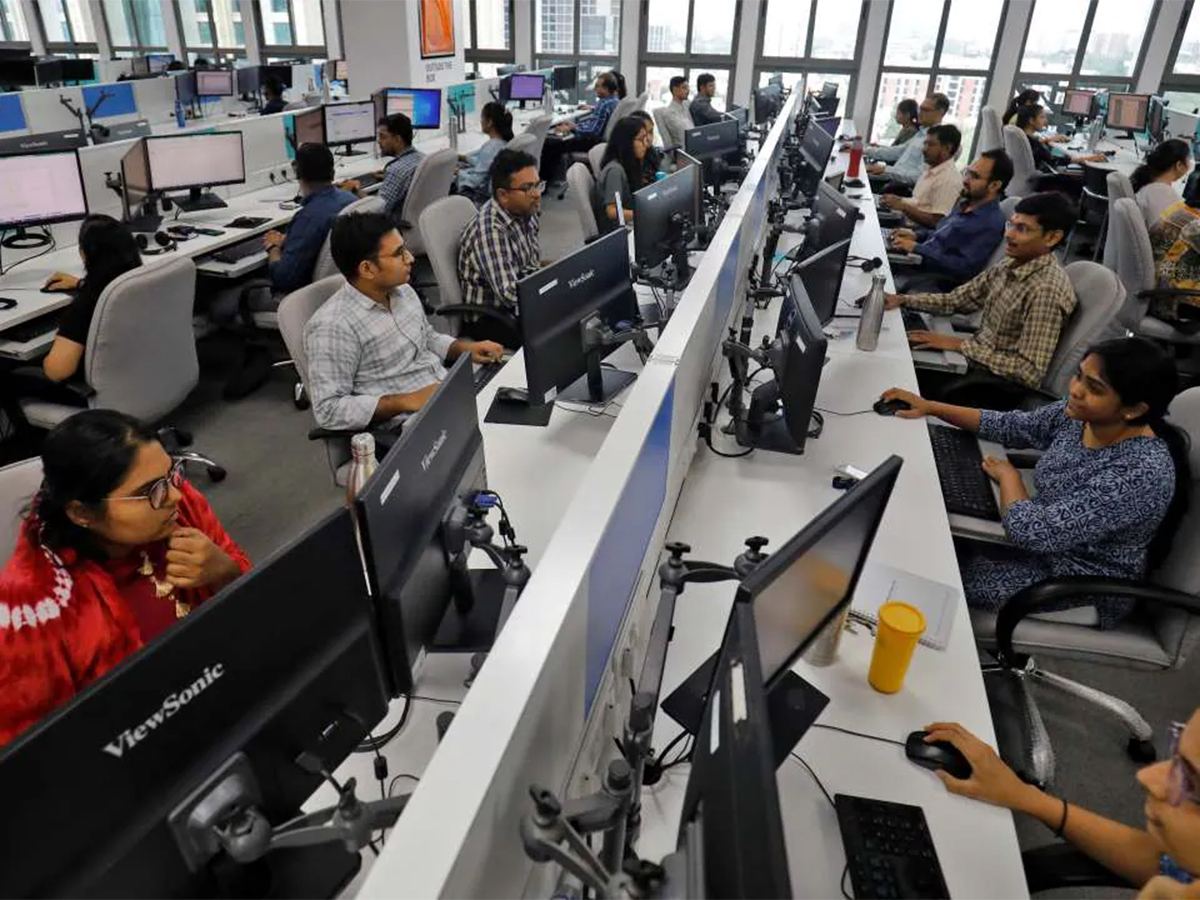
In a recent Lok Sabha session, Union Health Minister JP Nadda shared a shocking health update, revealing that 84% of surveyed IT employees in Hyderabad were diagnosed with metabolic dysfunction-associated fatty liver disease (MAFLD).
This figure comes from a study involving 345 tech professionals, suggesting a disturbing trend of fatty liver becoming increasingly common in desk-bound jobs.
Given the work culture in tech industries, this growing concern is not entirely surprising. Many professionals spend long hours seated, manage high stress levels, and often rely on unhealthy eating habits. These conditions contribute significantly to the development of metabolic issues like MAFLD, especially among corporate workers.
Social media reactions show that this isn’t just a tech industry issue. Several users pointed out that anyone with a sedentary job could be at risk. One individual shared how he was diagnosed with fatty liver back in 2013 and claimed that many of his colleagues have faced similar diagnoses over the years, reinforcing that this issue is widespread and under-acknowledged.
Medical experts warn that untreated fatty liver disease may progress into more serious complications, including liver damage, diabetes, and high blood pressure. While the government continues to introduce operational health guidelines to address such conditions, many argue that tech companies rarely implement them effectively in the workplace.
As more employees face the adverse health effects of corporate life, including poor work-life balance and long hours, many express frustration that the very jobs offering them prestige and income are compromising their health and well-being.
Despite repeated advice on adopting active lifestyles and undergoing regular screenings, several workers feel these measures fall short of addressing the core pressures of their work environments.
Unless there’s a structural shift in how desk jobs are managed—including better adherence to health protocols and limits on excessive working hours—the crisis will only intensify.
As the corporate work culture evolves, tackling the silent health hazards of prolonged inactivity and stress is key to safeguarding employee wellness and ensuring a sustainable future for the workforce.