

India’s markets often balance innovation with ongoing quality concerns. Consumers face affordable options but also risks of adulteration. Despite regulatory efforts to build trust, incidents like the recent Ghaziabad case show that constant vigilance remains necessary.
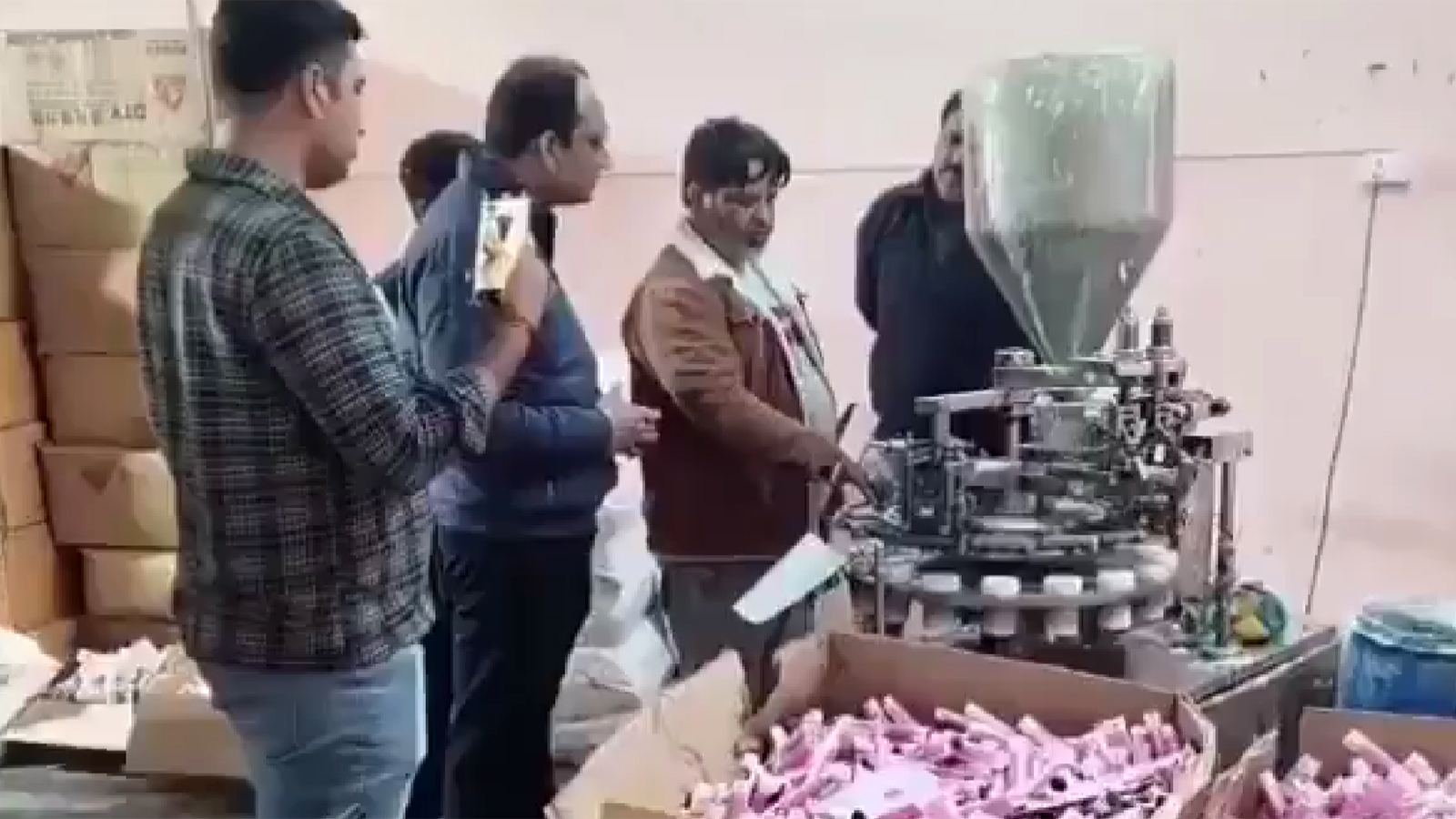
A raid by the Delhi Crime Branch uncovered a fake medicine factory in Ghaziabad. The operation was producing counterfeit life saving drugs. Authorities described the scale as serious and capable of putting public health at risk.
Two accused, Gaurav Bhagat and Shriram alias Vishal Gupta, were arrested during the raid. Officials seized fake medicines worth Rs 2.30 crore. The recovered stock highlighted how organised and profitable such illegal operations have become.
Among the seized products were creams imitating Betnovate, commonly used for skin conditions. These counterfeit medicines were supplied across several North Indian states. The distribution raised fears of widespread harm to unsuspecting patients.
The case drew comparisons with a viral post by Indian Gems on X. The post listed fake paneer, eggs, Colgate, and sweets before warning about fake life saving medicines. Sachin Gupta’s question reflected growing public anger.
Such rackets flourish due to weak oversight and demand for cheaper products. Poor supply chain checks allow dangerous goods to enter the market. This directly undermines consumer trust and puts lives at risk.
While enforcement actions offer some relief, they expose deeper systemic failures. Stronger regulation, improved testing, and public awareness are essential. Until then, consumers must stay alert and report suspicious products.
– Fake Paneer
– Fake Egg
– Fake Colgate
– Fake SweetsHere comes Fake life saving medicine.
Is anything real being sold in the Indian market?pic.twitter.com/ZWAUKycKd3
— Indian Gems (@IndianGems_) December 15, 2025