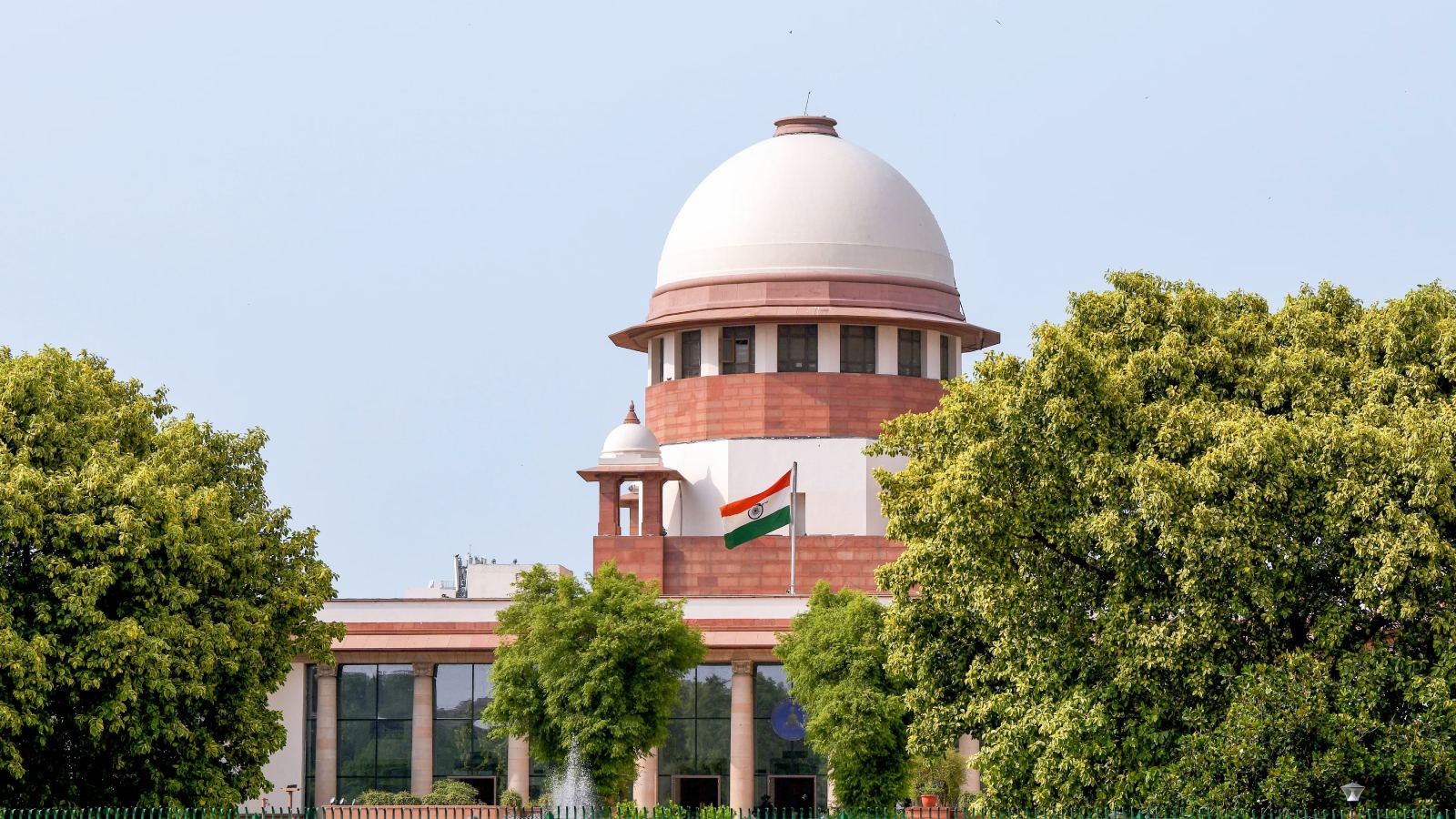
The Supreme Court delves into uncharted territory as it scrutinizes whether a woman can be charged with rape. The courtroom echoes with complexity as a 61-year-old woman seeks anticipatory bail in a case entangled with accusations from her daughter-in-law. As the judiciary examines this intricate question, it prompts a contemplation of gender dynamics within the framework of criminal charges.
61-year-old woman seeks bail in a complex case intertwined with accusations from her daughter-in-law, casting a spotlight on the intricacies of familial and legal dynamics.
The crux of the matter lies in the daughter-in-law’s accusations stemming from a tangled web of familial discord. Initially in a long-distance relationship with the US-based elder son of the woman, a widow, the complainant entered into a virtual marriage ceremony. However, tensions escalated when the widow’s younger son visited from Portugal, leading to purported pressure to end the informal marriage.
As familial tensions mounted, a compromise was reached, with the widow allegedly providing ₹11 lakh to the complainant to dissolve the marriage with her elder son. Yet, the dispute took a legal turn when the complainant, dissatisfied with the resolution, approached local authorities and filed an FIR against the widow and her younger son. The charges include rape and various other accusations, prompting the Supreme Court to navigate uncharted territory and examine the validity of charging a woman with rape.
The case challenges traditional perceptions, raising eyebrows on the applicability of Section 376(2)(n) IPC to a woman. Legal pundits, referencing a Supreme Court judgment, debate the boundaries of rape charges against women. The plea for protection from arrest adds another layer to the unfolding narrative, emphasizing the need for nuanced perspectives in a legal system evolving to accommodate diverse scenarios.
The plea for protection from arrest adds suspense to the unfolding narrative, underscoring the need for nuanced perspectives in a justice system evolving to accommodate diverse scenarios. The backdrop of a virtual marriage ceremony, coupled with international familial dynamics, amplifies the complexity of the tale, transforming it into a societal prism through which deeply rooted preconceptions about gender roles are scrutinized and, perhaps, redefined.
This case marks a pivotal stride towards gender-neutral laws, challenging traditional perceptions and underscoring the necessity for legal equity. The Supreme Court’s examination of whether a woman can be charged with rape initiates a crucial dialogue on dismantling gender-specific legal norms. This represents a significant step forward in ensuring that laws are impartial and reflective of evolving societal dynamics, fostering a path toward greater gender neutrality within the justice system.