India’s public education system supports millions of students, but changing demographics now demand smarter planning. Instead of expanding endlessly, the focus needs to shift towards improving quality, efficiency, and sustainability within the existing framework.
With limited resources, maintaining every school building is no longer practical. Policymakers are increasingly being urged to prioritise better outcomes over preserving infrastructure that no longer serves active student populations.
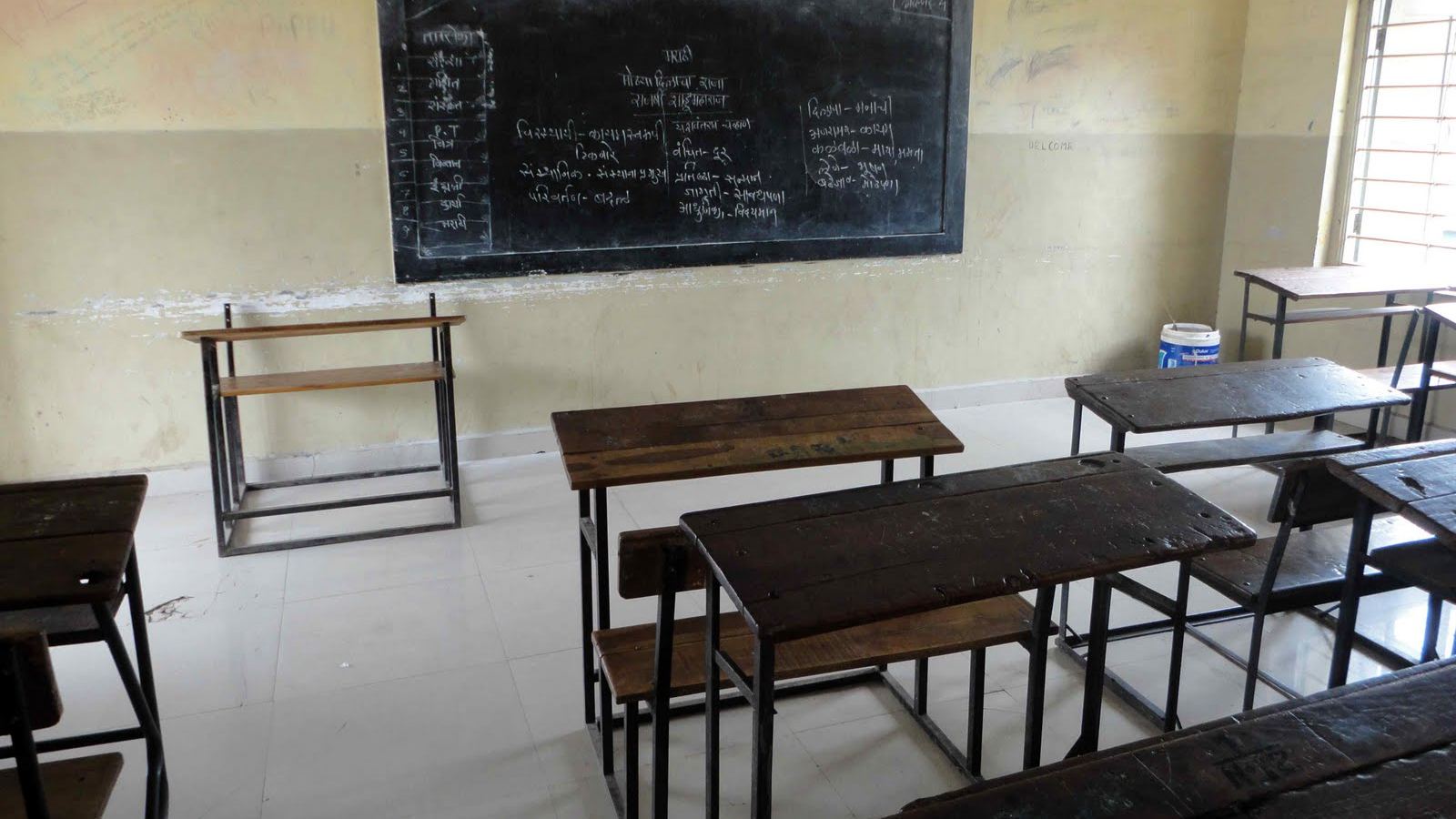
Ministry of Education data for 2024-25 reveals a concerning trend. Out of 10.13 lakh government schools, 5,149 have zero student enrolment, while 65,054 schools function with fewer than ten students.
These so called ghost schools account for 6.42% of all government schools. This marks a 24% rise from 52,309 such schools recorded in 2022-23, highlighting a widening gap between infrastructure and actual educational demand.
West Bengal and Telangana together account for over 70% of zero enrolment schools. West Bengal has 1,571 such institutions, while Telangana has around 2,081, pointing to regional imbalances in school utilisation.
In Telangana, districts like Nalgonda top the list with 315 empty schools. Factors such as migration, urbanisation, and preference for private schools are contributing to the steady decline in enrolments.
Despite minimal student presence, more than 1.44 lakh teachers continue to be posted in these underutilised schools. This situation raises serious concerns about inefficient use of public funds and manpower.
Experts suggest consolidating low enrolment schools into functional clusters. Such steps could free resources, improve facilities in active schools, and ensure students receive better educational support.
The issue is not about creating panic but encouraging practical reform. Streamlining underused schools while strengthening high enrolment institutions can help secure the future of India’s public education system.