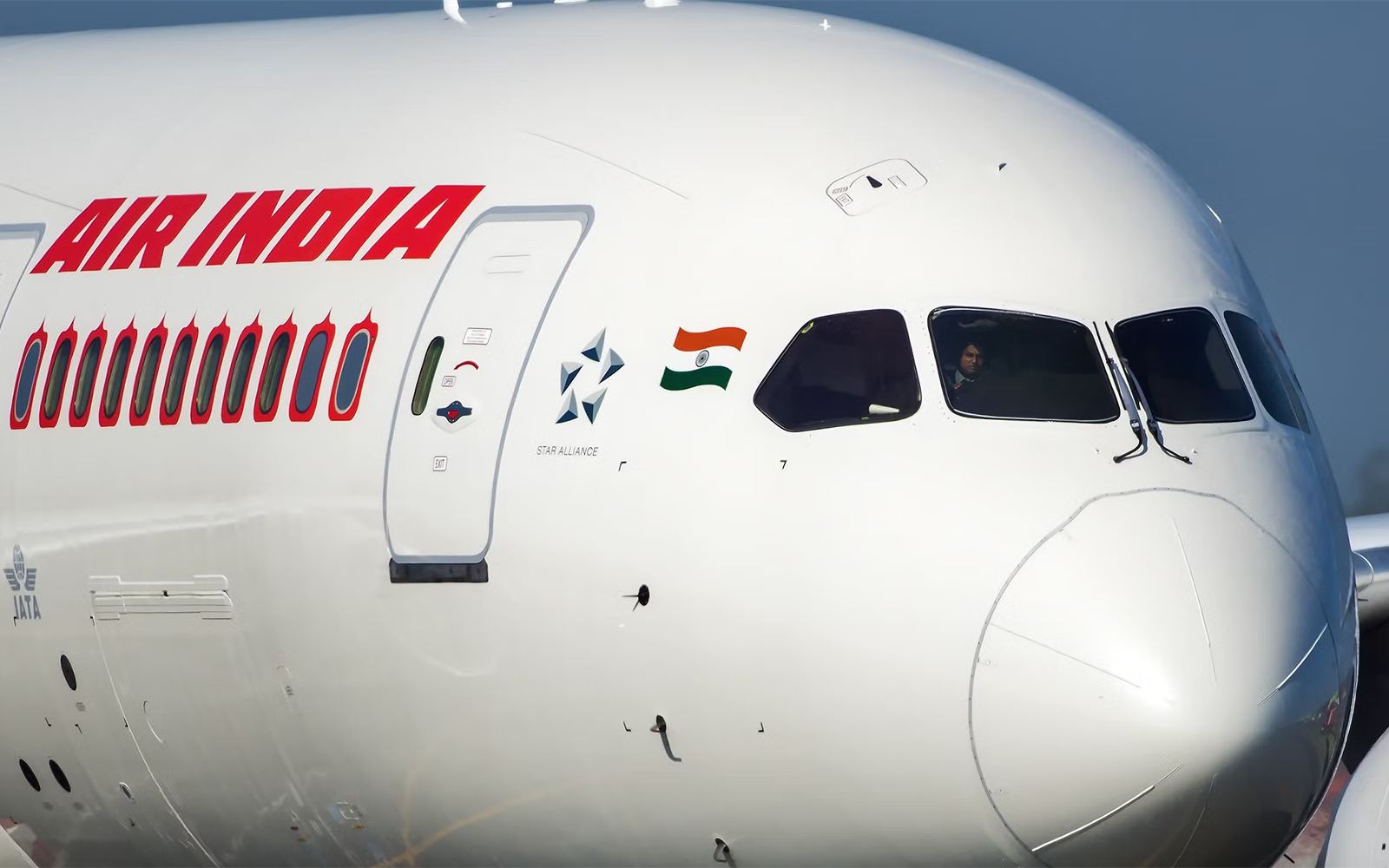
Two passengers on Air India flight AI180, traveling from San Francisco to Mumbai, were reportedly horrified after spotting cockroaches crawling around their cabin seats. The disturbing incident raised questions about hygiene and maintenance aboard the airline’s long-haul international flights. In response, Air India issued a statement apologising and claimed that “insects can sometimes enter an aircraft during ground operations,” a remark that many felt grossly minimised the severity of the situation.
This casual explanation is unsettling. A transcontinental journey from the United States to India typically involves over 16 hours of flight time, not including the additional hours spent during boarding, layovers, and pre-departure procedures. In such a confined environment, cleanliness should be a non-negotiable standard. The idea of cockroaches roaming in a sealed aircraft while meals are served and passengers remain seated is both unhygienic and alarming.
According to reports, the airline did move the affected passengers to different seats and carried out a deep cleaning of the aircraft during a stopover in Kolkata. While these actions may appear responsible on the surface, they fail to address the larger issue: how did cockroaches make it aboard in the first place, and what does that reveal about Air India’s routine cleaning protocols and quality control?
The airline’s justification that insects occasionally enter during ground operations feels dismissive and inadequate. Passengers paying for international travel expect more than reactive measures and scripted apologies. They deserve proactive cleanliness checks and a clear commitment to maintaining hygienic travel conditions at all times.
Premium international travelers invest in comfort, safety, and reliability. An incident like this undermines that trust and adds to a growing list of concerns about Air India’s aircraft upkeep. Repeated hygiene lapses chip away at the airline’s credibility, especially when basic expectations go unmet.
Rather than downplaying the seriousness of this situation, Air India must confront the underlying hygiene failures. Identifying the source of the infestation is a critical first step, but real change requires transparent accountability and stronger preventive protocols that ensure such events don’t reoccur.