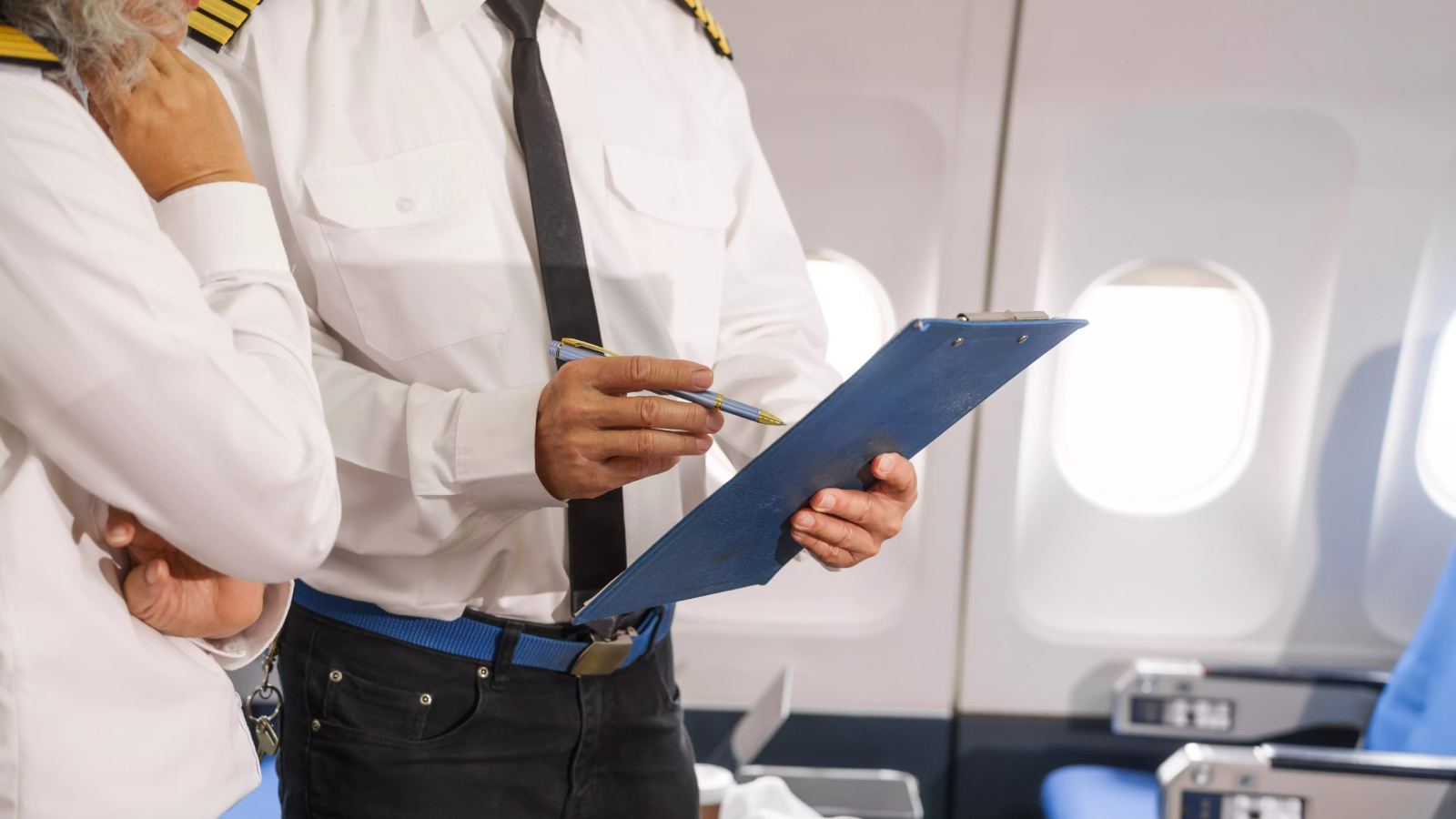
The Ex-cabin crew airline scam involves a former flight attendant accused of exploiting airline travel privileges for four years. You see how investigators allege he secured hundreds of free flight tickets. The case raises serious concerns about internal verification systems.
According to U.S. federal authorities, Dallas Pokornik, 33, from Toronto, allegedly posed as a pilot and active airline employee. He reportedly accessed crew-only travel benefits across three U.S. carriers. These privileges are strictly limited to authorised staff.
He was arrested in Panama and later extradited to the United States. The accused has pleaded not guilty to wire fraud charges. You now see the legal process moving forward despite the denial.
Ex-Cabin Crew Airline Scam Timeline
Court documents state that Pokornik worked as a flight attendant between 2017 and 2019. After leaving the job, he allegedly continued using fake employee credentials. These credentials allowed him to book free or heavily discounted flights.
The airlines involved were reportedly based in Honolulu, Chicago, and Fort Worth. Authorities have not officially named the carriers in the indictment. This lack of disclosure keeps some operational details unclear.
How Airline Systems Were Allegedly Bypassed
Industry experts say airlines usually cross-check employee credentials through shared databases. These systems are designed to block unauthorised access. You would expect multiple safeguards to prevent this type of misuse.
Investigators also allege that Pokornik requested access to cockpit jump seats. These seats are reserved for off-duty pilots and require strict approvals. Such access raises deeper security concerns.
Industry Faces Oversight Questions
The Ex-cabin crew airline scam highlights a gap between policy and enforcement. Airlines promote strong safety and verification standards. This case suggests oversight weakens when checks become routine.
You can see how even regulated systems face risk without consistent scrutiny. The case now places pressure on airlines to review internal controls. Authorities continue examining how the alleged abuse went undetected for years.