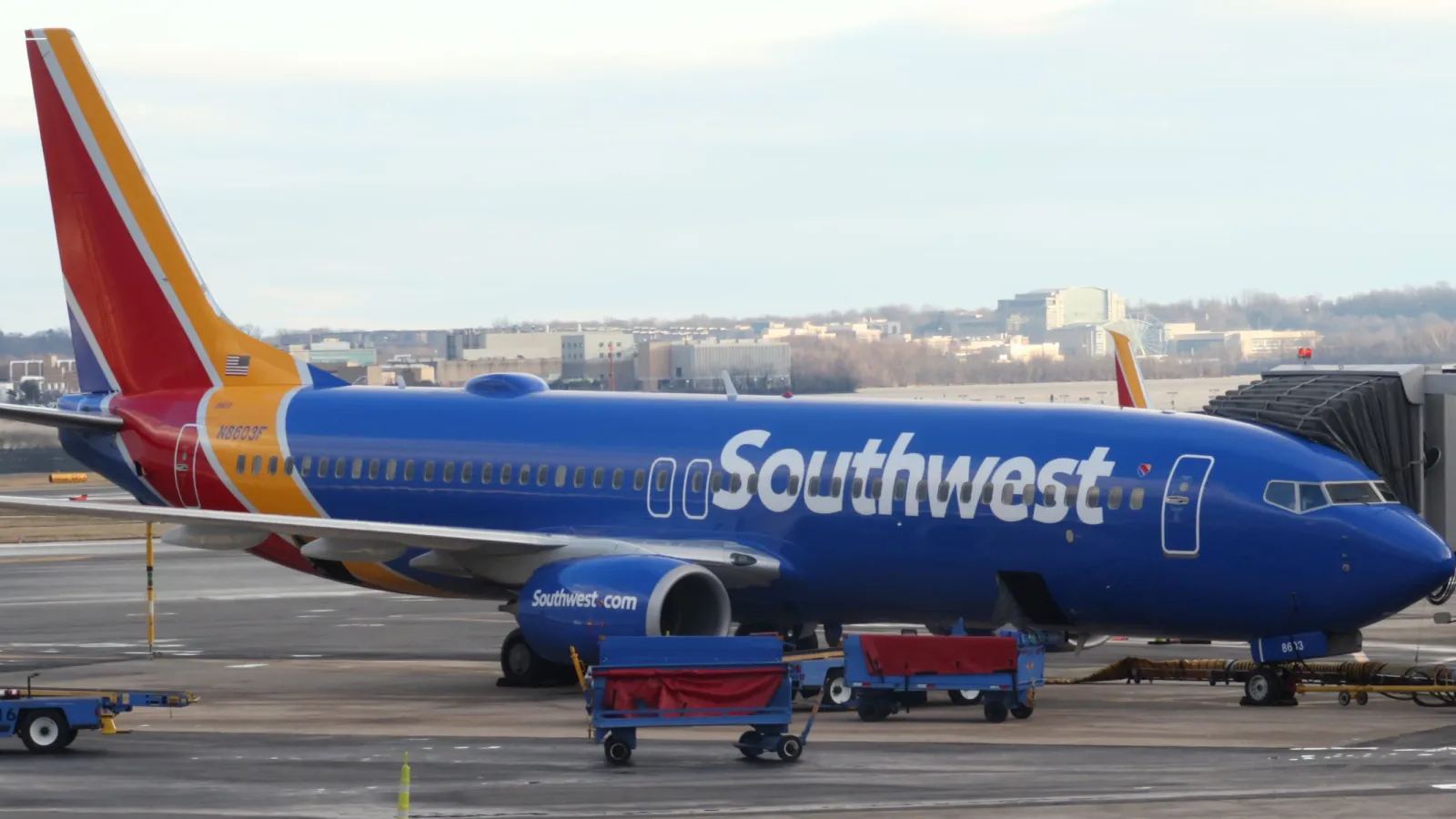
A family returning from a vacation in Kona faced a distressing travel experience with Southwest Airlines. They described it as the worst flight of their lives. The journey home was disrupted by multiple unexpected issues.
The family was travelling with two young children and an elderly relative. They were first informed of a three-hour delay due to a mechanical issue. While the delay was understandable, the situation worsened soon after.
A replacement aircraft arrived, but boarding quickly turned chaotic. Several passengers discovered they had been automatically rebooked to other flights. These changes were made without their consent.
The airline’s system reportedly flagged connection risks and reassigned passengers. The family was informed they were no longer listed on their original flight. They insisted they had not requested any changes.
After tense discussions with ground staff, last-minute overrides allowed them to board. However, several other passengers missed the flight despite empty seats remaining. This added to the confusion.
Inside the aircraft, seating arrangements were disrupted. Uncertainty over luggage and onward connections caused further stress. The journey remained tense throughout.
The ordeal continued during the layover. Tight connections and delayed deplaning nearly caused the family to miss their next flight. They eventually reached their destination after significant anxiety.
Though the airline provided vouchers later, the experience left a lasting negative impression. The incident highlights how rigid automated systems and poor coordination can worsen manageable disruptions.