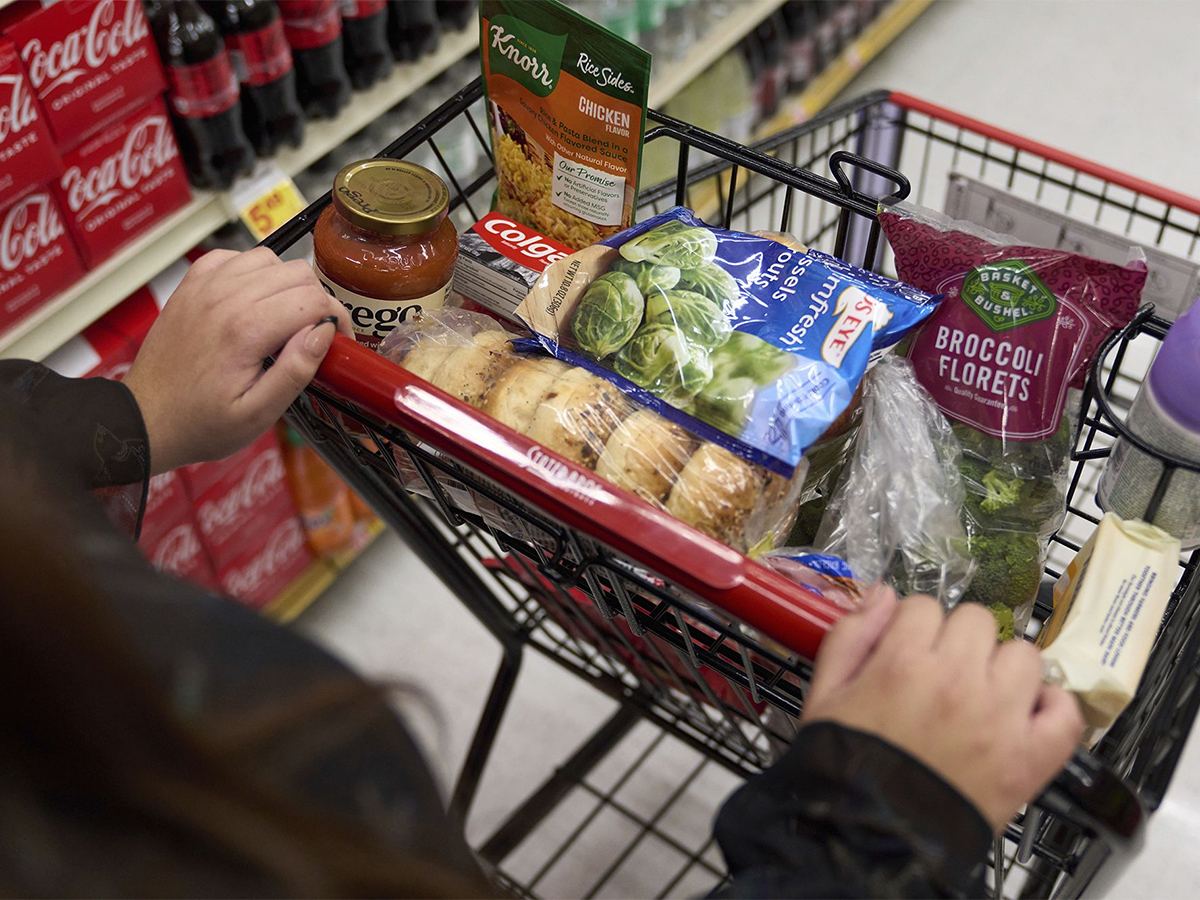
In any market, prices rarely remain static. Factors like inflation, supply chain disruptions, and policy changes make consumers accustomed to gradual increases. Yet, when price jumps happen suddenly, shoppers start questioning if the rise is due to genuine reasons or simply because sellers can take advantage.
Sudden Price Increases After Tariff News
A recent discussion among NRIs highlighted price hikes at some Indian grocery stores in the US after new tariffs were announced on goods from India. Shoppers reported frozen parathas and other imports jumping overnight from $11.99 to $13.99, even though the stock was purchased before tariffs came into effect.
Allegations of Opportunistic Practices
Some customers alleged that retailers were changing expiry labels or holding back products to reprice them. To many, this felt like opportunism. However, others argued that such pricing is standard retail practice, often based on replacement cost rather than the original purchase price.
Comparisons With Other Industries
Industries like fuel and gold often adjust prices in anticipation of future costs, not just current stock value. Grocery store owners argue they do the same to prepare for higher restocking expenses, especially when tariffs are likely to raise import costs.
The Perception of Unfairness
Despite these explanations, the sense of unfairness remains strong among consumers. For them, the issue is not only the higher prices but also the feeling that market changes are being used to justify disproportionate increases, whether tariffs are involved or not.