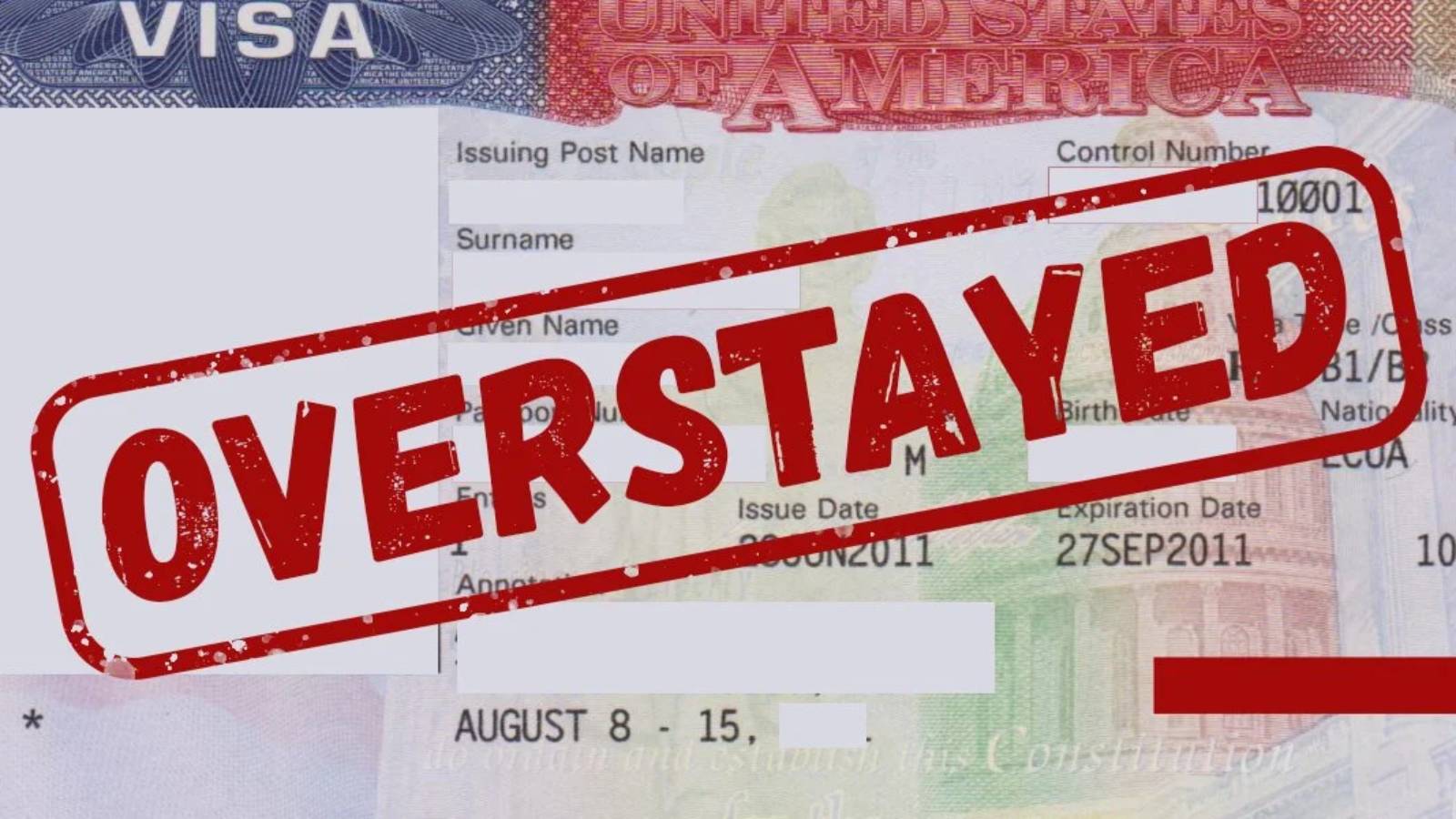
A mother from India faced a B-1/B-2 visa rejection that left her confused and disappointed. You should know this decision links directly to her past actions. She had overstayed her previous visa by 10 days and admitted it honestly during the interview.
Why the visa officer rejected the application
You need to understand how visa officers assess intent. Because she overstayed earlier, the visa officer saw a clear risk of overstay again. That alone was enough to trigger a rejection under Section 214(b).
Overstay raised serious red flags
When you overstay even for a short period, it stays on your record. In this case, the officer likely believed she failed to respect visa terms earlier. That made it hard to trust that she would return to India on time.
Childcare counted as unauthorised work
You may think helping family is harmless, but US visa rules say otherwise. By providing childcare to her daughter-in-law, the mother violated visitor visa conditions. The visa officer likely treated this as unauthorised work.
Property documents did not help
You might expect property ownership to strengthen your case. Here, the visa officer refused to review her Indian property papers. This shows that once the officer forms a negative view, documents alone do not change the outcome.
Future visa chances look weak
You should be aware that such violations do not disappear quickly. Experts say her overstay and unauthorised work will flag future applications. This makes getting another visitor visa difficult for several years.