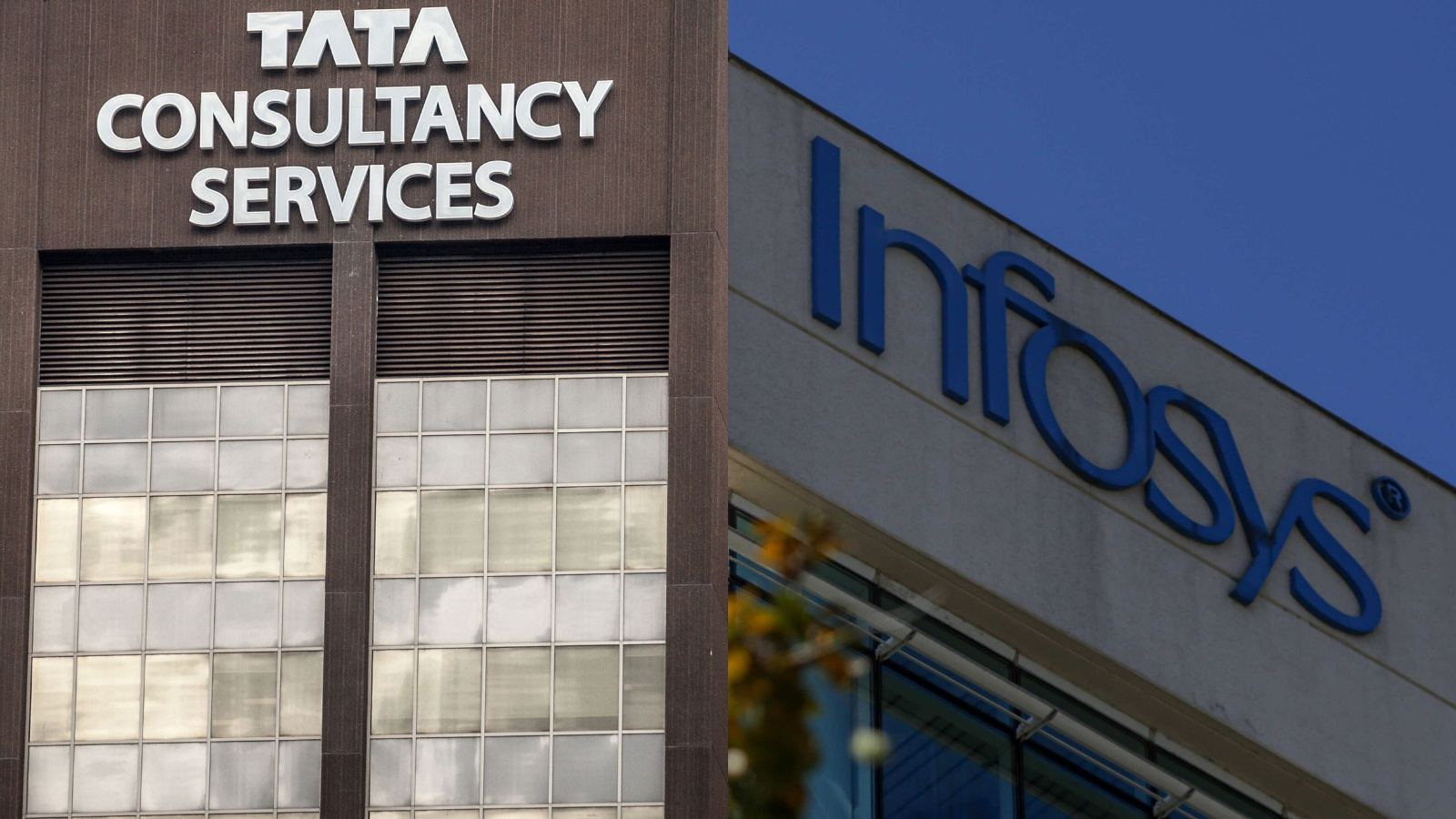
The H-1B visa faces a severe setback with the introduction of the $100,000 fee by President Donald Trump. The IT sector, the hardest hit, is likely to shift towards offshoring roles as companies look for practical solutions.
Advantage for Indian Tech Firms
Indian IT giants like Tata and Infosys stand to gain if the industry embraces remote roles through Global Capability Centres (GCC). These offshore units, set up by multinational companies in India, deliver business and tech operations at lower costs.
Short-Term Gains, Long-Term Risks
This advantage may remain short-lived. The US Congress is moving forward with the HIRE Act and other measures aimed at taxing or restricting outsourcing by firms working in America. Such steps reduce certainty for Indian IT exports.
Brain Drain Remains Unchecked
Despite offshoring growth, India’s brain drain continues. Without stronger infrastructure and policies, professionals seeking global careers still choose destinations beyond the US, reducing the impact of American restrictions.
Jobs in Smaller Indian Cities
Tier-2 and tier-3 Indian cities hold promise for millions of new jobs if companies expand locally and invest in skill training. But it is premature to celebrate, as ongoing US policy battles and legal hurdles keep the situation unstable.
Future of Indian IT Leadership
Experts suggest Tata and Infosys can transform India’s IT sector. Success, however, depends on attracting returning talent, building advanced skills, and forging global partnerships that go beyond short-term survival.