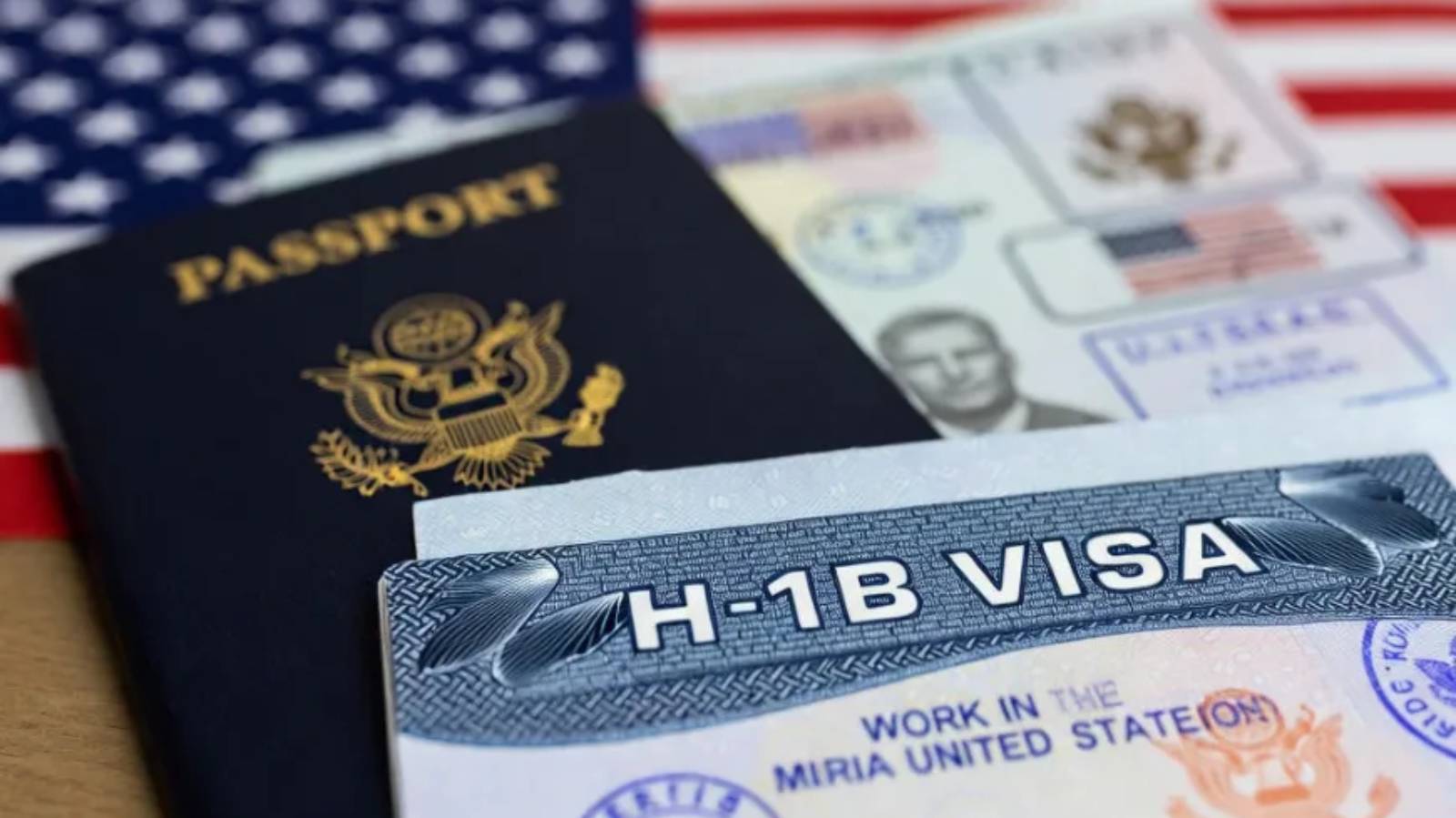
An H-1B worker’s recent visa stamping experience has become a warning for Indian tech professionals who are still confused about the new $100K rule. Even months after implementation, the regulation continues to create uncertainty and confusion among international workers living in the United States.
According to reports, the issue began after the worker shifted to a B-2 visa and later faced rejection of the extension request within the US. The individual claimed that the H-1B change of status was also denied because USCIS considered the applicant out of valid immigration status.
The worker reportedly questioned why he was being treated as a “new entrant” despite already holding a valid H-1B visa and still having more than five years of eligibility remaining. He also raised doubts about why re-entry into the US using the existing visa stamp was not possible.
Several H-1B workers online are reportedly confused about similar situations. However, immigration experts say the core issue is not the visa stamp itself, but the loss of valid immigration status inside the country. Once a B-2 extension is denied, the case may move into consular processing.
Experts explain that consular processing can now trigger the controversial $100,000 payment requirement in certain situations. What was initially believed to apply only to new H-1B applicants is now reportedly affecting more visa holders who require consular processing after status-related complications.
A visa stamp mainly allows entry into the United States, while staying legally in the country depends on maintaining valid immigration status and an active I-94 record. Immigration experts note that even if someone holds a valid H-1B stamp, their legal stay may end if their employment status expires.
The latest case has increased anxiety among Indian tech workers already dealing with changing immigration rules in the US. Experts advise visa holders facing similar complications to seek proper legal guidance before taking further immigration-related decisions.