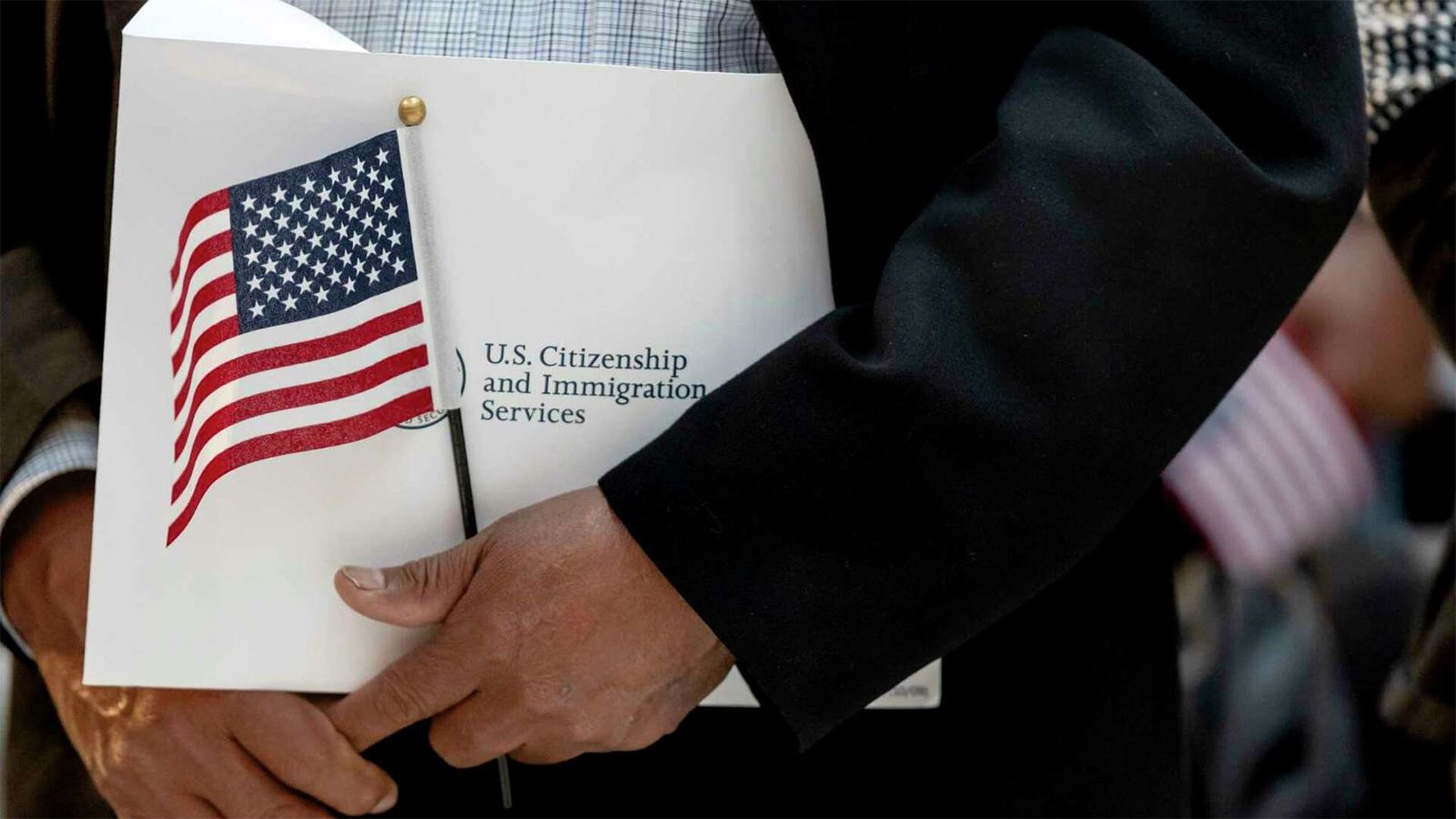
Ideas about morality have always shaped who is accepted in society. In uncertain times, governments often tighten boundaries even further, and the Trump administration’s recent move on US citizenship is a prime example.
Expanded moral character checks
The administration has broadened the definition of “good moral character” for citizenship applicants. This means worthiness will be judged on more than just the absence of crime, raising doubts among immigrants and legal advocates.
Concerns about subjectivity
The new policy brings closer scrutiny not only to criminal records but also to personal factors like community involvement, caregiving, employment, and even minor traffic violations. Critics worry such vague criteria could allow unpredictable decisions.
Risks of inconsistent enforcement
Many fear the rules could be applied unevenly. Some officers might reject applicants over a speeding ticket while others might ignore more serious issues. Such inconsistency could make the process more arbitrary and unfair.
Potential for bias
The policy also raises the risk of personal or racial bias. Commentators note the irony of demanding strict moral standards from immigrants when politicians themselves are not always judged by the same measures.
Deterrent effect on immigrants
Another concern is that legal immigrants may feel discouraged from applying for citizenship. The naturalization process is already lengthy and complex, and fear of rejection over small technicalities could stop many from even trying.
Impact on Indian applicants
For Indians, who make up one of the largest groups seeking U.S. citizenship, the stakes are particularly high. With long green card backlogs, citizenship is the only real path to security, but shifting standards could trap thousands in limbo.
Need for fairness and clarity
Ultimately, real integrity in the process requires transparency and fairness. Instead of adding more subjective gray areas, the system should focus on clarity, ensuring that belonging is not made harder to achieve.