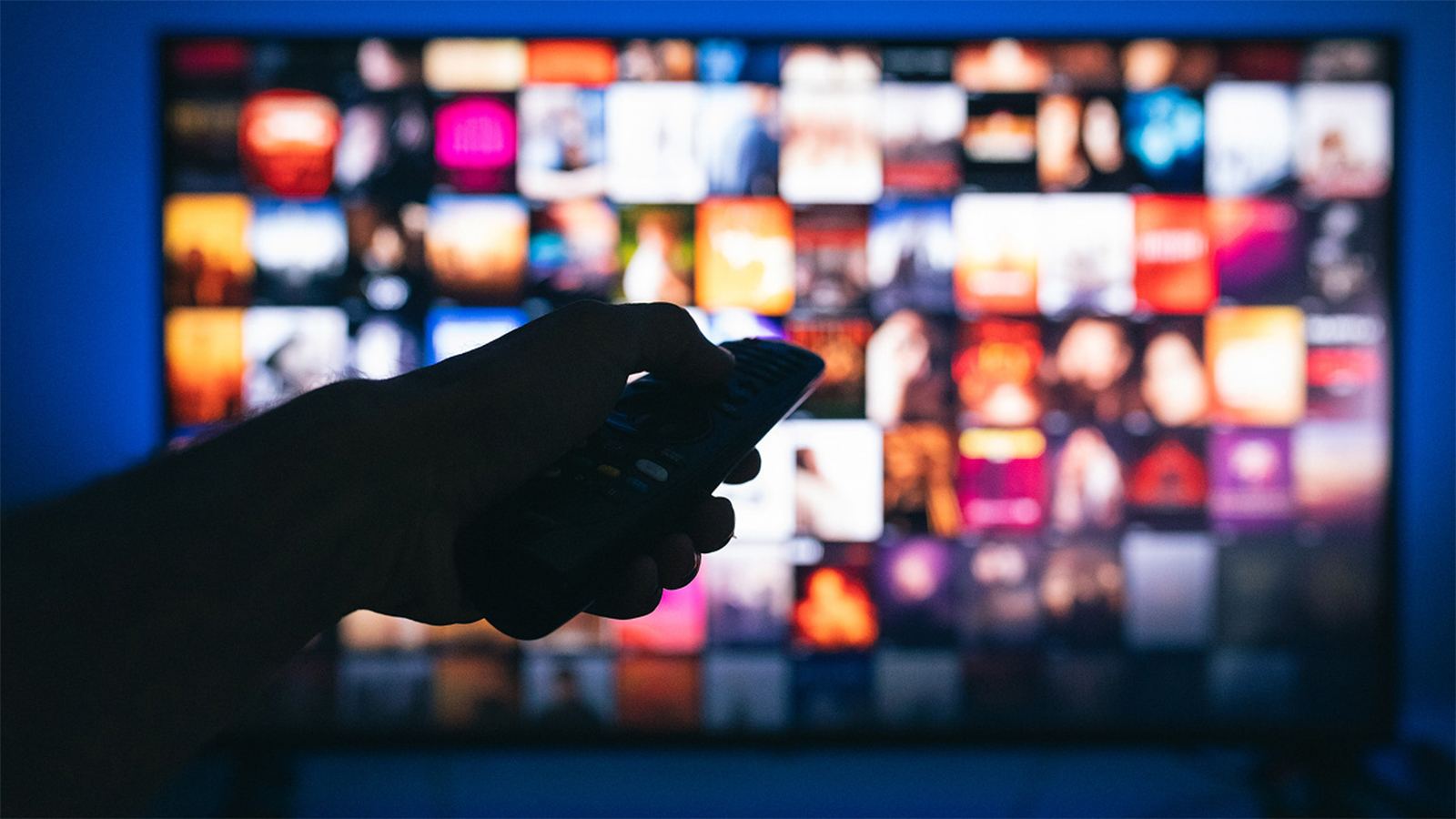
The decision that the CBFC will not regulate OTT platforms in India has triggered wide debate on the future of digital content. The move marks a clear shift in how streaming platforms operate. It places greater trust in creators and platforms to self regulate.
For many filmmakers and creators, this change signals greater creative freedom. OTT platforms can now explore bolder themes and narratives without traditional censorship barriers. This may encourage fresh storytelling and subjects that rarely found space in mainstream cinema earlier.
At the same time, concerns remain around unregulated content reaching vulnerable audiences. While most OTT platforms provide parental controls, enforcement depends on user awareness. Harmful or insensitive material can still reach viewers without a clear oversight mechanism.
The absence of a formal regulator also raises questions about accountability. Without checks, some platforms may prioritise sensational content designed to drive clicks. Social responsibility and cultural sensitivity may take a back seat in the race for viewership.
The core issue now is balance. Creative freedom must exist alongside ethical responsibility. Whether India’s OTT ecosystem can maintain that balance without CBFC oversight remains an open and important question.