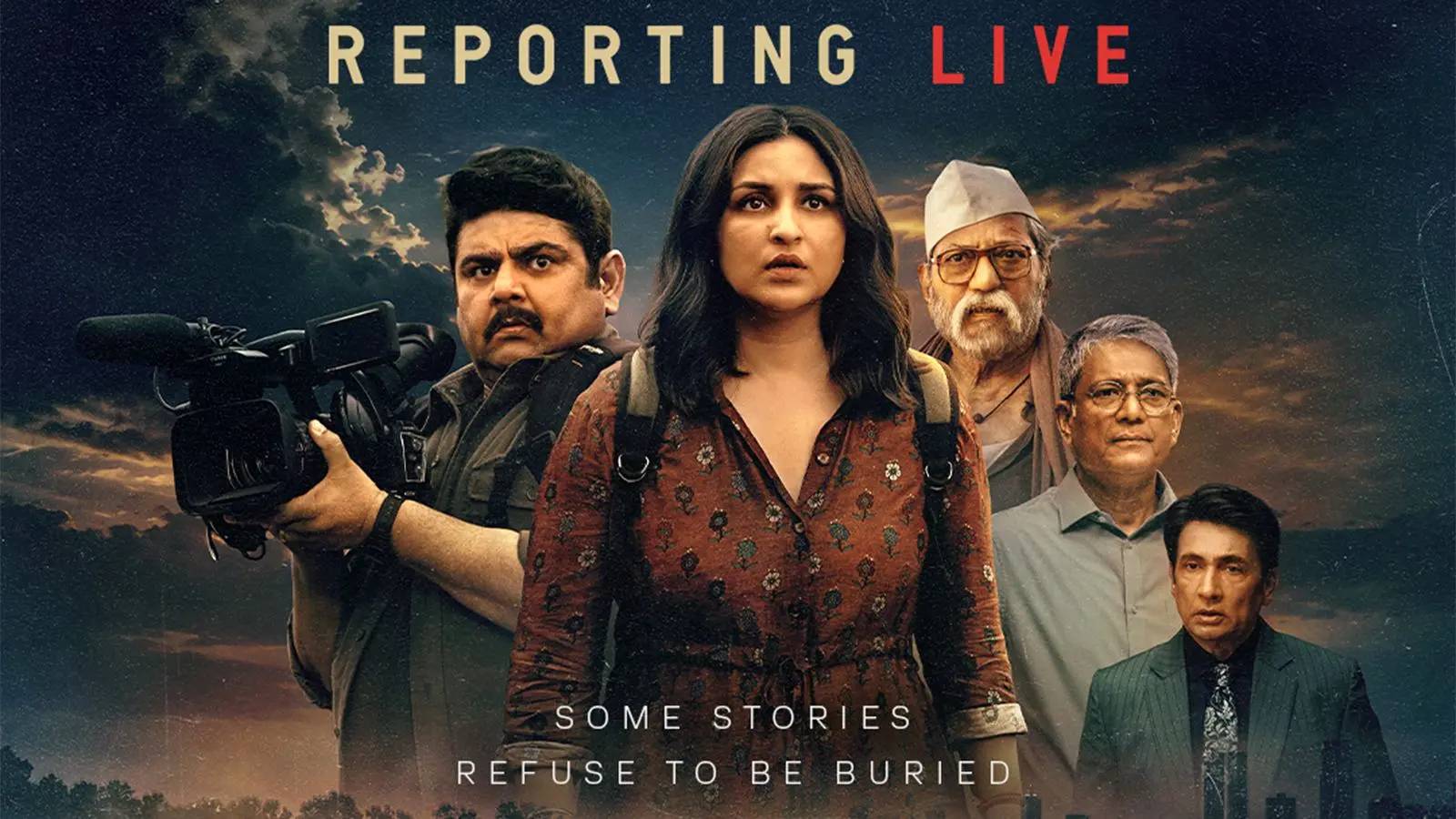
The OTT boom began during the Covid lockdown in 2020, when theatres were shut and filmmakers had no option but to release their movies online. OTT platforms took advantage of this opportunity by paying huge sums for direct digital releases.
For producers, it was a golden phase. They earned more than their production cost without worrying about distribution or box office performance. This digital high continued until early 2022.
However, the situation changed in mid-2022. OTT platforms realized that paying such massive amounts was not giving them the expected returns or new subscribers. The theatrical business was also getting back into shape.
As a result, they shifted focus and began insisting that films release in cinemas first. This allowed them to evaluate a movie’s box office performance before deciding the digital price.
According to industry insiders, OTTs now demand audited box office reports before finalizing deals. If a big film earns less than Rs. 100 crores, its digital price is automatically reduced. But if it crosses Rs. 150 crores, the value goes up.
Small films that flop in theatres are struggling to find OTT buyers. To make things worse, prices have reportedly dropped by almost 50 percent compared to last year. Producers who once relied heavily on OTT revenue are now feeling the pinch.
Film business analyst Girish Johar confirmed that not just OTT, but even box office, music, and satellite revenues have shrunk. OTT giants realized their pandemic-era spending did not yield long-term gains, so they have corrected prices across the board. “If a film doesn’t work theatrically, how can it command a premium digitally?” he said.
Another big change is the reduction in the license period. Earlier, streaming rights were sold for three to five years. Now, many deals are limited to just one year. This has further slashed overall revenue. Only major production houses such as Dharma Productions, Yash Raj Films, and Maddock Films still manage to secure good deals.
Adding to the tension, OTTs have inserted strict clauses, holding producers responsible if a film sparks political or religious controversy and making writers liable for plagiarism.
Meanwhile, the satellite market has also crashed since OTTs demand digital exclusivity. With rising production costs and falling digital and TV revenues, producers are struggling to stay profitable.
Still, many believe this is just a “price correction” phase. The film industry has survived bigger challenges before, from piracy to the pandemic. Insiders remain hopeful that, just like cinemas bounced back, the OTT ecosystem too will eventually find its balance.