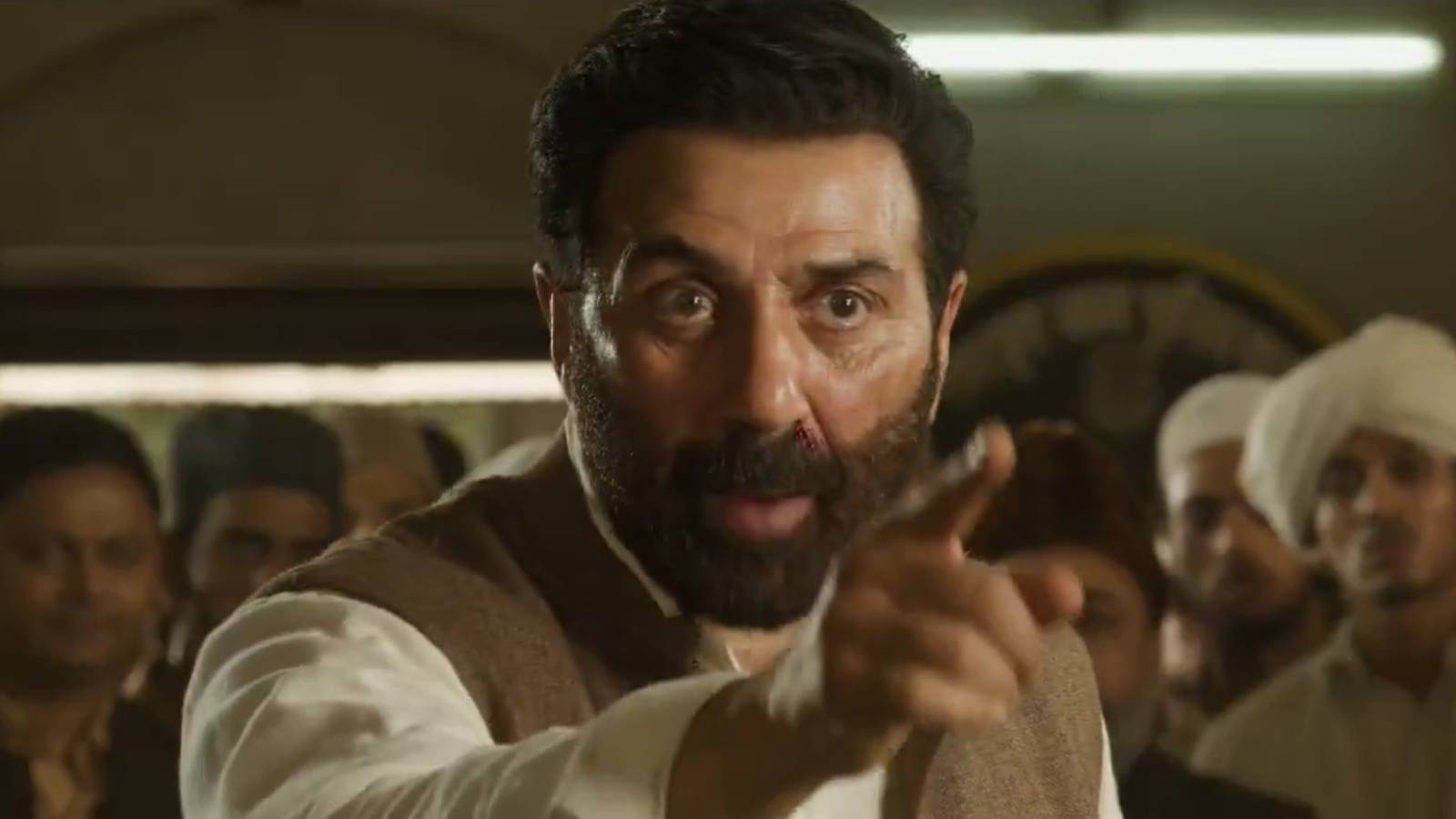
The trailer of Batwara 1947 has finally dropped, and it is already creating plenty of buzz online. Much of the excitement comes from seeing Sunny Deol return to the backdrop of Partition, this time in a film backed by Aamir Khan Productions and directed by Rajkumar Santoshi.
Early reactions suggest the trailer is not a typical action film. Many reviewers are calling it an emotional and intense glimpse into one of the darkest chapters in Indian history.
The one-minute trailer opens with burning homes, panic at railway stations, and the horrific violence that followed Independence. Amid the chaos appears Sunny Deol as Sikandar Mirza, saying, “Darr rahe hai log, marr rahe hai log. Main jeete ji marna nahi chahta.”
Another dialogue has quickly gone viral. When asked, “Panga lena hai?” Sunny calmly replies, “Iraada toh nahi hai, par aitraaz bhi nahi hai.” Many viewers say the line perfectly captures quiet courage without relying on the loud, over-the-top aggression associated with Gadar.
The supporting cast has also received praise. Preity Zinta’s emotional return, Shabana Azmi’s commanding presence, and performances from Ali Fazal, Karan Deol, and Abhimanyu Singh have left a positive early impression. Many reviewers feel the refugee sequences and scenes of separation look genuinely moving.
However, not everyone is convinced.
A section of viewers believes the film’s message of communal harmony may not resonate with today’s polarized social climate. Some social media users argue that portraying Muslim characters in a sympathetic light could alienate a section of the audience.
Some have also raised concerns about the film’s visual presentation. Despite the strong subject, they feel the trailer lacks the cinematic richness expected from a big-screen period drama, with visuals that appear too clean and television-like. A few also felt the trailer reveals too much of the story. They questioned whether Rajkumar Santoshi’s execution will match the emotional potential of the subject.
Whether Batwara 1947 ultimately succeeds will depend not just on its emotional storytelling and performances, but also on how audiences respond to its sensitive portrayal of Partition in today’s social and political climate.