When films promise something larger than life, audiences expect visuals that can match the makers’ vision. VFX has become essential in delivering grand cinematic experiences, and when it falls short, viewers feel cheated and disappointed with the final product.
Fans have been voicing their frustration over substandard VFX that fails to meet expectations. In films where the storytelling depends heavily on visuals, weak editing and careless execution make the flaws even more obvious, leaving the audience disengaged.
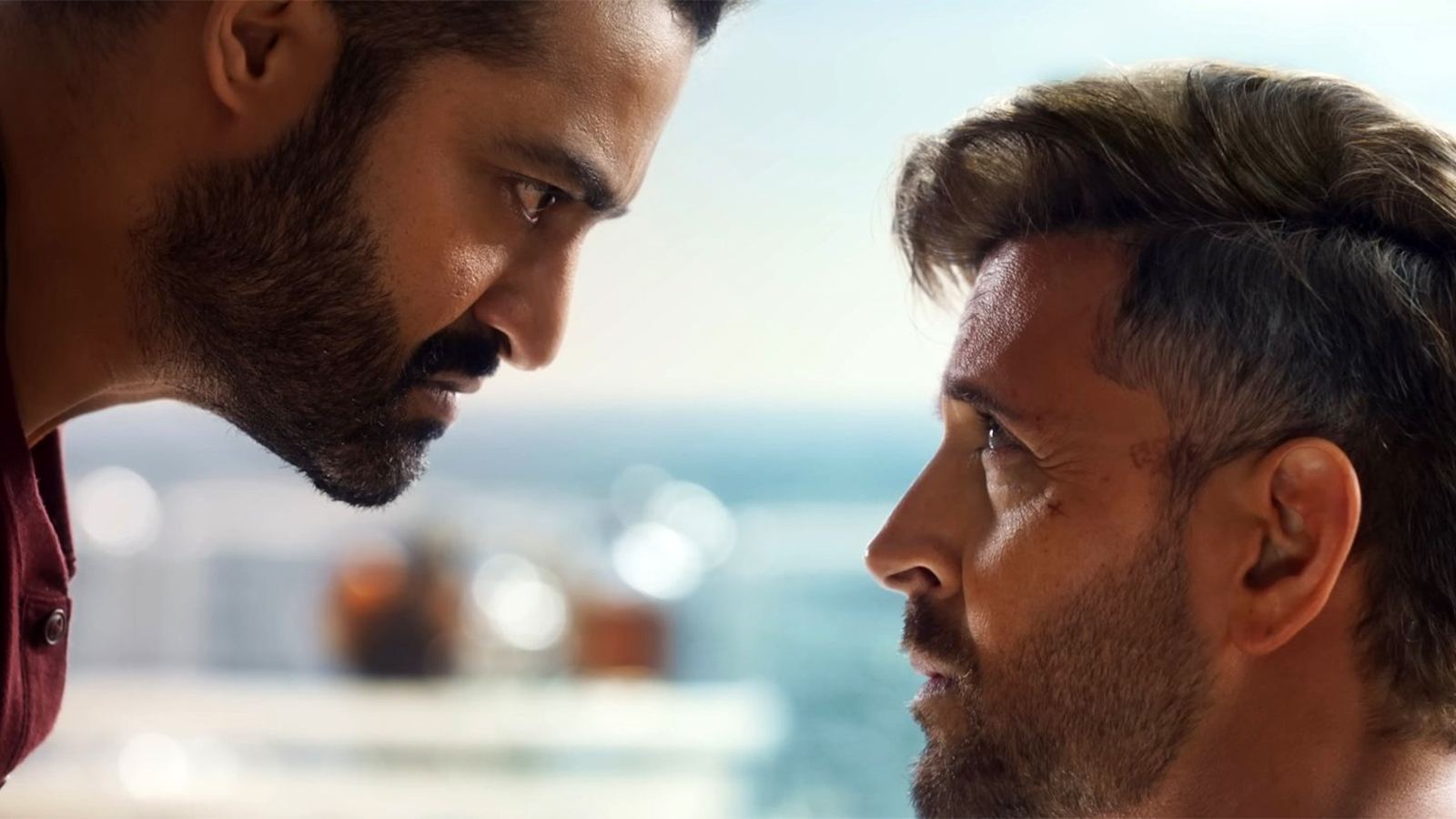
Take War 2 for instance. Viewers complained about excessive green screen usage and poor editing, which reduced the film’s impact. No matter how strong the script is, weak VFX results in the project losing credibility and audience respect.
Cutting costs on VFX often leads to bigger financial losses in the long run. Social media reactions suggest that even children lose interest when they notice poor effects. For many, weak visuals feel insulting in an era where technology has advanced so much.
At the same time, recent hits like Mahavatar Narsimha and Lokah have proved that strong visuals do not always require massive budgets. These films showed that creative use of VFX with good storytelling can create a memorable experience without relying only on star power.
However, extraordinary visuals cannot save a weak story either. Audiences today expect both script and VFX to complement each other. With rising exposure to world cinema, viewers want extraordinary execution that blends compelling writing with convincing visuals.