“Audiences are not coming to the theaters”—this phrase has become quite common in the film industry recently.
The overall success rate in cinema has declined, and the audience has become increasingly selective. With seven months already gone this year, the number of successful films has been very low.
For every flop and poorly made film, filmmakers are conveniently blaming the audience, repeating the same excuse that people are not coming to the theaters.
In truth, audiences have become more choosy, but they haven’t stopped going to theaters altogether.
There are two clear examples that prove this.
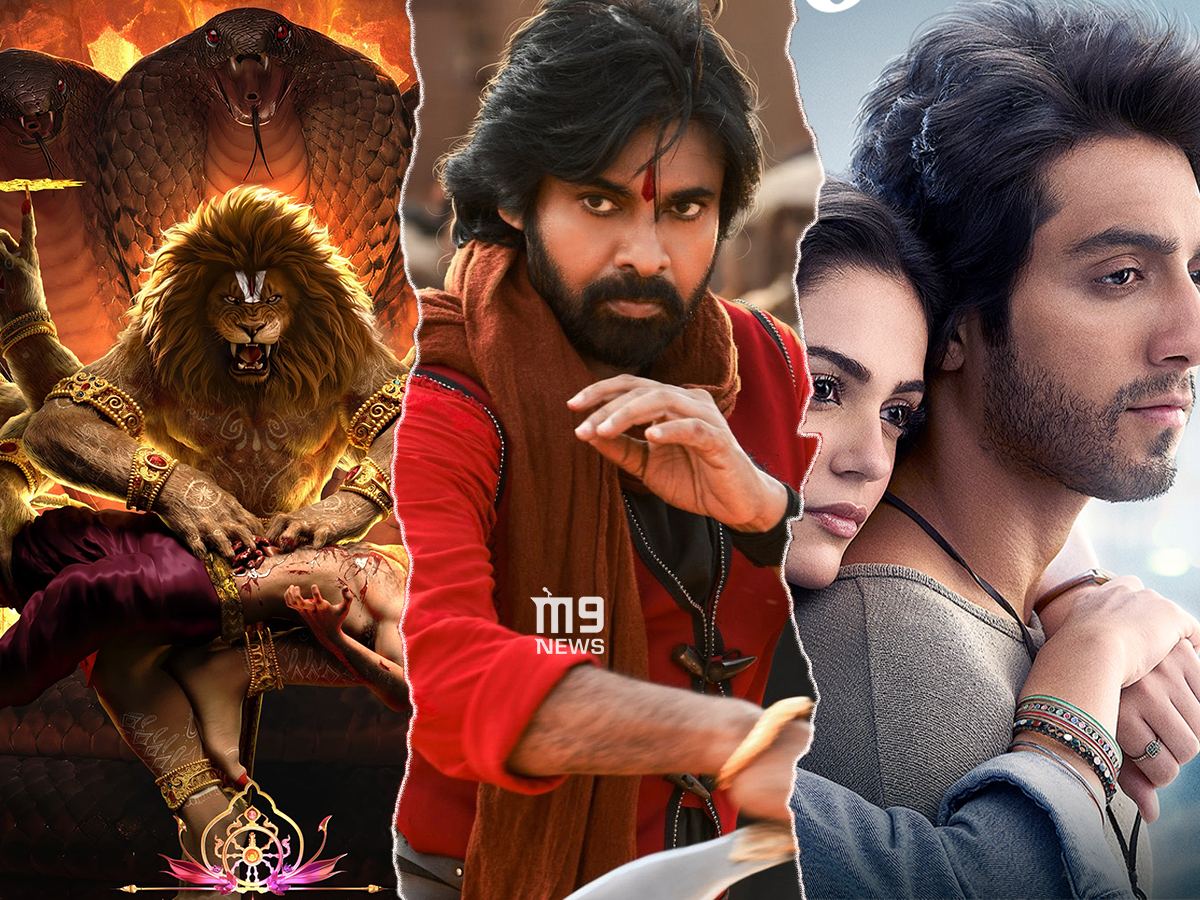
The Bollywood film Saiyaara is breaking records across the country. In Hyderabad, the movie is running to packed theaters and full houses.
Saiyaara features a debut hero and an unfamiliar heroine. It has no big stars or established names.
What the film offers is solid music and strong writing. Interestingly, it’s not just working in the North; it’s performing excellently in Hyderabad too.
Then there’s Mahavatar Narasimha, an animation film by Hombale.
This movie is doing sensational business across all regions.
In Hyderabad, it’s nearly impossible to get tickets for the weekend shows.
On BookMyShow, it is trending at more than twice the popularity of Hari Hara Veeramallu.
Just imagine: an animation film without a known actor outperforming a movie starring Pawan Kalyan.
So, if audiences are really not coming to the theaters, how do you explain the success of a small-cast Hindi film and an animation movie doing better than a star-driven Telugu film?
The truth is, audiences are very much willing to go to theaters—but only for content that is worth their time and money.
They are rejecting the greed of filmmakers who hike ticket prices and offer poor quality.
They’re also pushing back against the trend of films being sold to OTT platforms within just four weeks of release.
It’s time for filmmakers to stop blaming the audience and start reflecting on their own shortcomings.