The south Indian film industry has always been at the forefront of using the cinema to challenge industry norms.
Owing to this principle, there has been a generation of South Indian female actresses who have broken free from the stereotypical ornamental roles and commanded screen presence with their passion and power-packed performances.
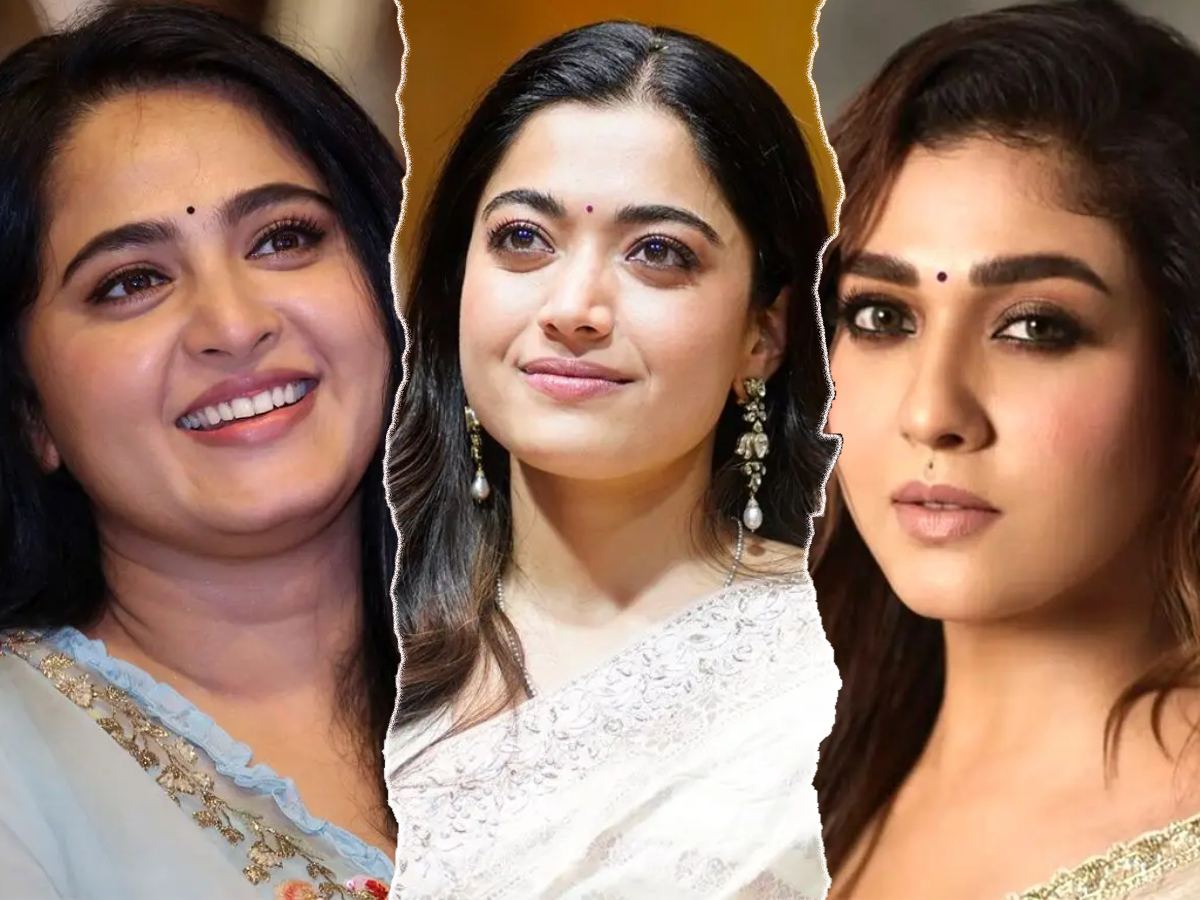
At the helm of this transformation are actresses like Nayanthara, Anushka Shetty, and Rashmika Mandanna, who, with their contemporaries, are establishing a new narrative for the women in Indian cinema.
Nayanthara, famously known as the “Lady Superstar,” has been instrumental in leading women-centric stories that are viable and visible.
From mainstream successes like Aramm, where she plays a district collector confronting a village in crisis, to psychological thrillers like Maya and gritty comedies like Kolamavu Kokila, Nayanthara has proved time and again that she can carry an entire film on her shoulders.
Anushka Shetty has also made a significant mark in Indian cinema with her iconic roles in Arundhati and Bhaagamathie, which showcased women as a strong force of nature who are equally heroic and flawed as their male counterparts.
Even with her character in the Bahubali series, Anushka set a milestone as the female lead who poses a pan-India potential, a title that only a few female actresses are bestowed with.
Rashmika Mandanna is another actress who was homegrown in the south but has made her mark as a pan-India actress with a string of back-to-back blockbusters like Pushpa 2: The Rule, Animal, and Chhaava, which collectively raked in staggering numbers.
Her commercial triumphs are commendable, but what sets her apart from most actresses is the influence of her strong characters. Even her acting prowess has consistently gotten better with each passing film, making her a symbol of the changing cinematic tides for women.
While most of these films aren’t exactly commercial juggernauts, their impact in portraying strong female leads is undeniable. If not box-office numbers, they’ve managed to break the shackles of stereotypical roles that only highlight women as eye candy.
Their success is a clear message to all filmmakers, audiences, and the industries that women can lead a film not just for entertainment but also to inspire and push boundaries that have been blindly followed for the last few decades.
These women aren’t just the face of a changing industry dynamic; through their work, they’re opening doors for more nuanced and substantial characters for women across all film industries in India.