Over the last few years, South films, starting from Baahubali in 2015, have undoubtedly created a massive impact across India, with some even breaking long-standing box office records. However, the current narrative that South cinema has completely overtaken Hindi cinema is still far from reality. Despite the recent struggles of Bollywood, Hindi cinema continues to remain the country’s biggest film industry simply because of the sheer size of its potential audience. The reach of the Hindi market is enormous, even if that potential has not been fully tapped in recent decades due to making elite content.
The so-called “pan-India wave” is also more selective than it appears. While a few films have achieved sensational success, most of the pan-India projects have actually failed at the box office. The successful films dominate headlines and social media, creating the impression that every large-scale South film is working on pan-India level, which is not entirely true.
One reason behind the success of several South films in the Hindi market has been the sequel factor. Usually, the first film builds awareness and audience interest, while the sequel benefits from that goodwill and opens much bigger. This pattern is common across industries, not just South cinema but South films depend more on sequel factor. However, relying too heavily on sequels and cinematic universes may not be sustainable forever. Hollywood has already faced franchise fatigue, and Indian cinema could eventually encounter a similar phase.
Interestingly, this is not the first time Hindi cinema has gone through a “South wave.” In the 1980s, several successful Hindi films were produced by South Indian banners and directors working with Bollywood stars. That phase lasted for a few years before things normalized again. Compared to today, that transition happened more organically, while the current wave is amplified heavily by media and social media narratives.
The bigger challenge for South films now is sustaining expectations and justifying massive budgets, especially for non-sequel projects. Outside a few major stars and select regions, there is still no guaranteed nationwide audience for every South film in Hindi. The opening numbers of many standalone releases clearly reveal that reality.
Prabhas remains the biggest star from South, with films like Saaho opening at Rs. 25 crores, Kalki 2898 AD at Rs. 21 crores, Salaar at Rs. 15 crores, Raja Saab at Rs. 5 crore, Baahubali: The Beginning at Rs. 4.9 crore, and Radhe Shyam at Rs. 4 crore net in Hindi. Other notable openings include RRR at Rs. 20 crore, Devara at Rs. 7 crore, Game Changer at Rs. 6.5 crore, and Coolie at Rs. 4 crores.
These numbers show that while some South films have successfully penetrated the Hindi market, the list of consistently big openers is still relatively small. More importantly, many of the biggest successes like Pushpa 2 and Baahubali 2 were sequels or franchise extensions.
As budgets continue to rise and competition increases across industries, sustaining this momentum will become more difficult. Audiences today are far more selective, and the success of a few blockbusters does not guarantee that every pan-India film will work.
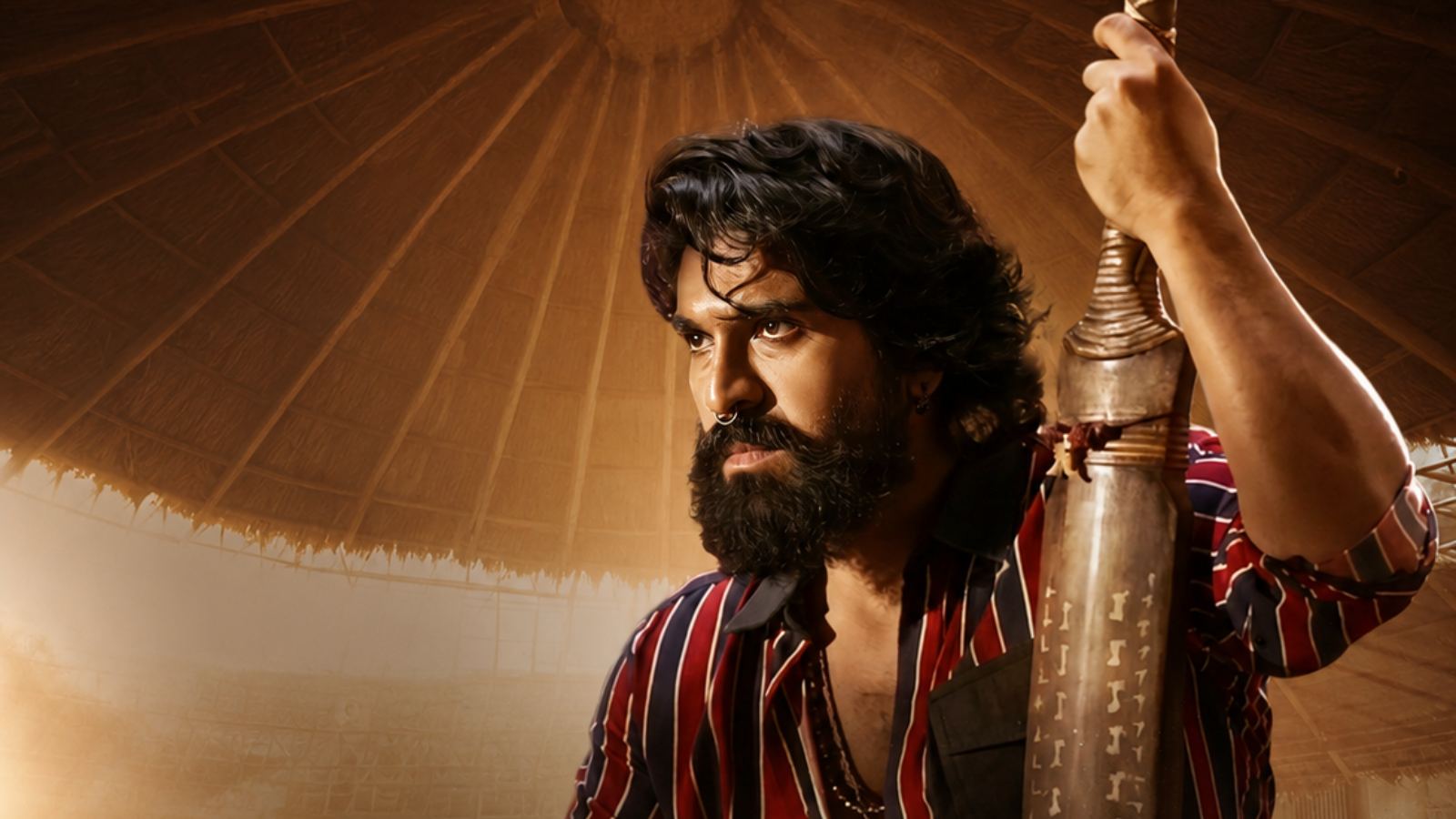
The coming years will likely determine whether this trend represents a lasting shift in Indian cinema or simply a temporary cycle driven by a few exceptional films. Ram Charan’s Peddi, releasing in a few weeks, will provide a clearer picture. The film is being projected as a pan-India project and is releasing on a fairly big scale in the Hindi markets. It is not a sequel and does not belong to any franchise. We have to see what kind of impact Peddi makes in Hindi.