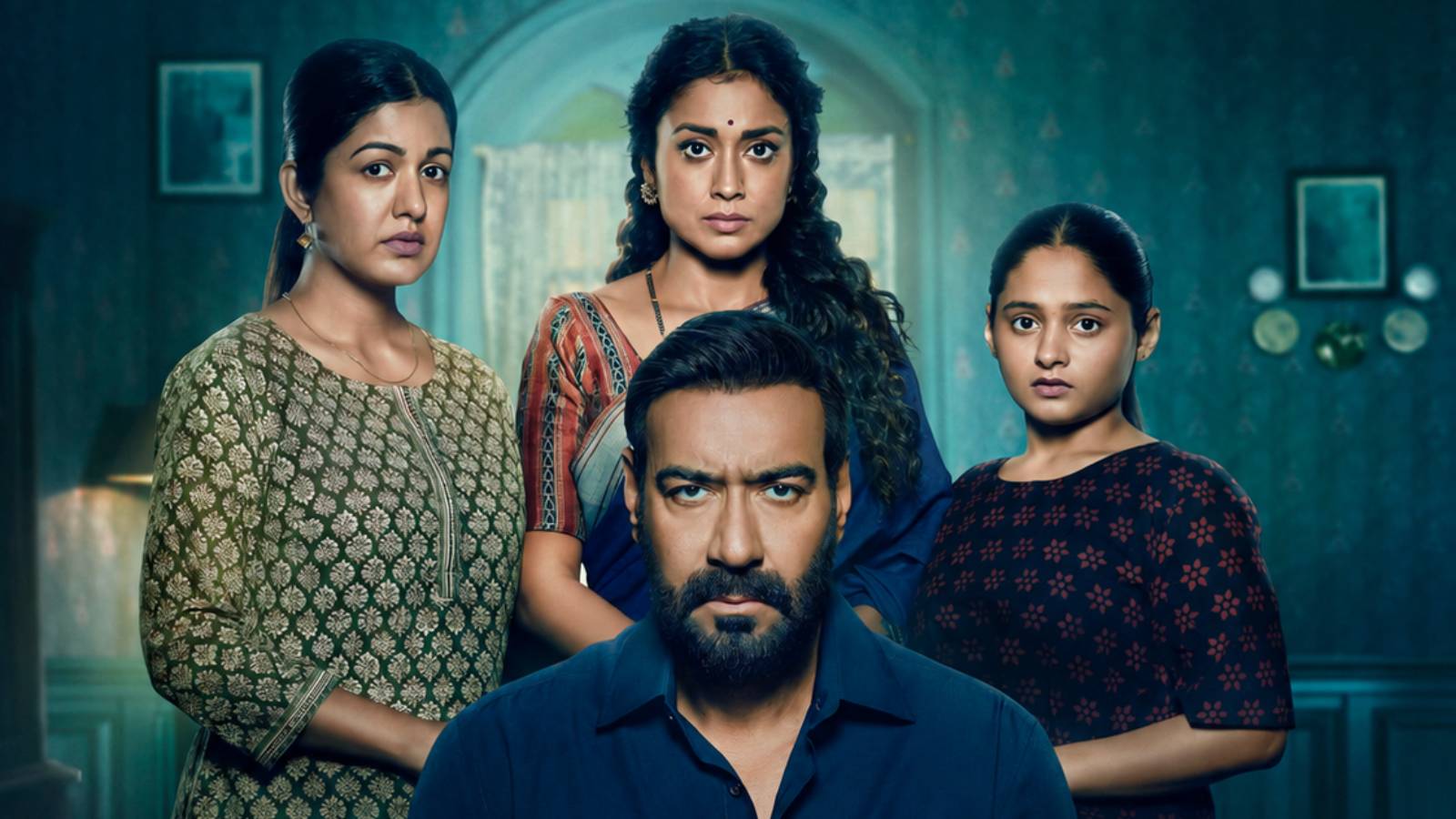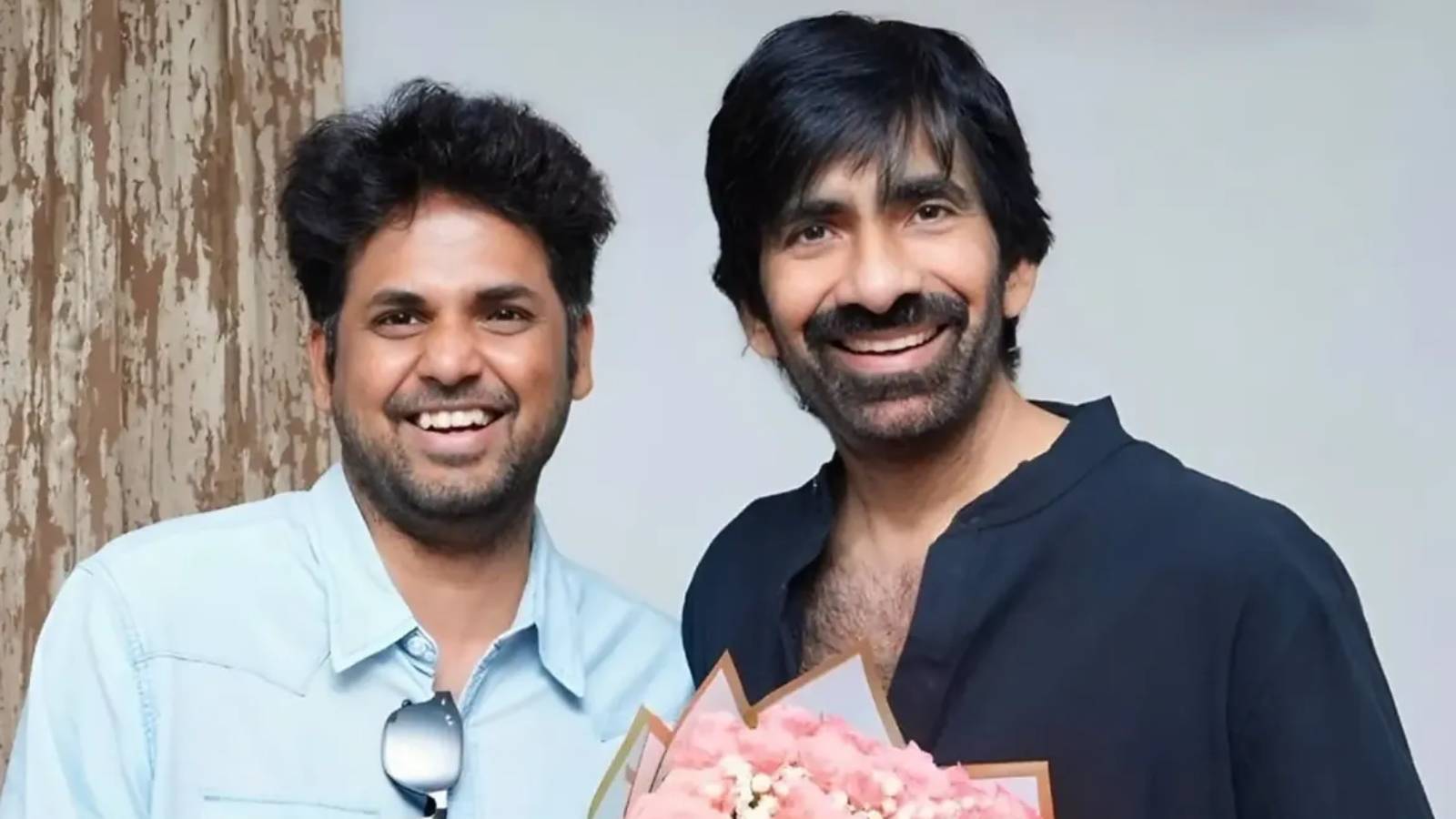


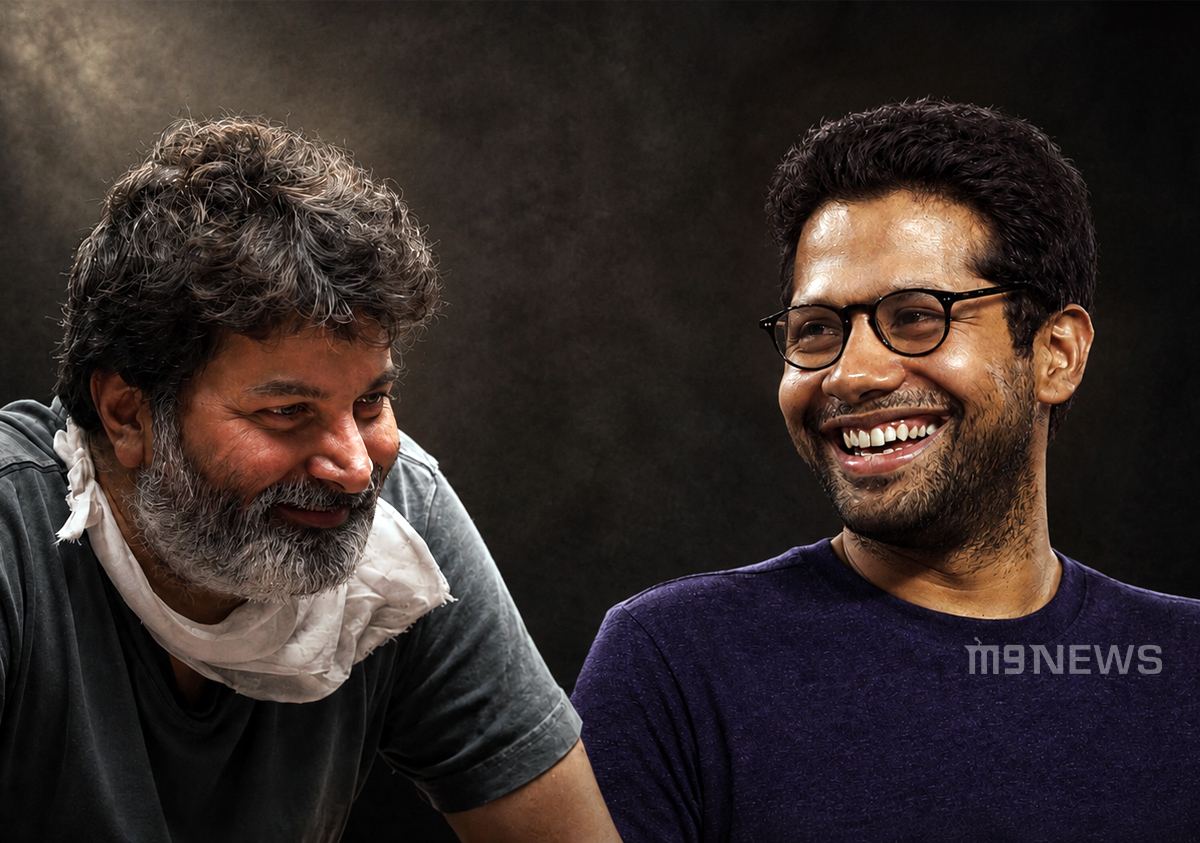
Following the release of Suriya’s Vishwanath & Sons, a small section of audiences has started hyping director Venky Atluri as the “New-Age Trivikram.” Some enthusiastic voices have even gone a step further, claiming that Atluri is a better writer than Trivikram Srinivas.
But is this comparison really fair?
Without a doubt, it is far too premature. Trivikram has delivered standout films that will remain memorable forever. Athadu, for example, redefined the commercial format with a star hero. Even after all these years, no Telugu director managed to recreate that unique blend of action, emotion, humor, and intelligent writing for commercial cinema.
Films such as Nuvve Nuvve, Julayi, S/O Satyamurthy, A Aa, Aravinda Sametha, Attarintiki Daredi and Ala Vaikunthapurramuloo made Trivikram the “Guruji” that fans fondly call him today. His films combined complete commercial entertainment with genuine emotional satisfaction.
And that is only his work as a director. Even before his directorial debut, Trivikram had several memorable writing credits, particularly for Venkatesh’s films.
Venky Atluri, meanwhile, is exactly six films old. Except for Mr. Majnu and Rang De, he has consistently delivered decent work. More importantly, his last three films have earned him tremendous goodwill.
Sir, followed by Lucky Baskhar and now Vishwanath Sons, established Atluri as a filmmaker with a familiar writing touch. His dialogues, emotional moments, and family-friendly presentation occasionally carry a Trivikram-coded flavor, which naturally led to these comparisons.
However, even across these three films, Venky Atluri’s biggest weakness remains evident: he is a convenient writer.
Whether it is Sir or Lucky Baskhar, the emotional scenes work effectively, but the protagonist rarely faces a genuinely difficult challenge. The conflicts are resolved through writing choices that feel convenient rather than completely organic.
The same problem is visible in Vishwanath & Sons. Venky Atluri begins with an interesting emotional setup involving a mother, her son, a surrogate baby, and Mamitha’s character entering his life despite a significant age difference. However, the resolution pursued throughout the second half moves in an entirely different direction.
That disconnect clearly separates a Trivikram film from a Venky Atluri film.
Before the comparison with Trivikram can truly hold weight, Atluri must step outside his comfort zone. He needs to challenge himself to create more well-rounded conflicts, stronger emotional highs, and resolutions that do not repeatedly depend on convenient writing.
That remains his biggest drawback when compared with Trivikram Srinivas.
None of this takes away from what Venky Atluri has achieved. He has already established himself as a sensible and dependable director. His off-screen image is equally commendable. He appears willing to accept feedback and conducts himself with a good balance in interviews and public appearances. There is no visible ego or arrogance in the way he communicates.
That grounded attitude is probably one of the reasons he has reached this position today.
By unnecessarily calling him the “New-Age Trivikram,” a section of people is only placing avoidable pressure on him. At this stage, the comparison simply does not make sense. Even some of Trivikram’s relatively simple emotional films display a depth and completeness that Venky Atluri has yet to match, mainly because of his preference for convenient writing choices.
Venky Atluri has plenty of positivity and goodwill surrounding him, and he deserves complete credit for building it. If he keeps his feet firmly on the ground, remains open to feedback, and works harder to bridge the gap between his potential and his writing, he can take a significant leap forward.
He certainly has the potential to make such comparisons valid someday. But as of today, the “New-Age Trivikram” tag is more of a farce than a fair assessment.