The Narendra Modi government is facing fresh challenges in pushing forward its major reforms. Plans for One Nation, One Election and the delimitation of constituencies have run into a difficult political climate as protests and controversies put pressure on the Centre.
The BJP had been preparing to advance these proposals through special parliamentary sessions. However, repeated political flashpoints have complicated its plans and raised questions about the timing of these crucial reforms.
The NEET paper leak controversy triggered widespread protests by students and gave the opposition fresh ammunition against the government. With questions over examination integrity dominating the national conversation, pushing major constitutional amendments risked drawing further criticism.
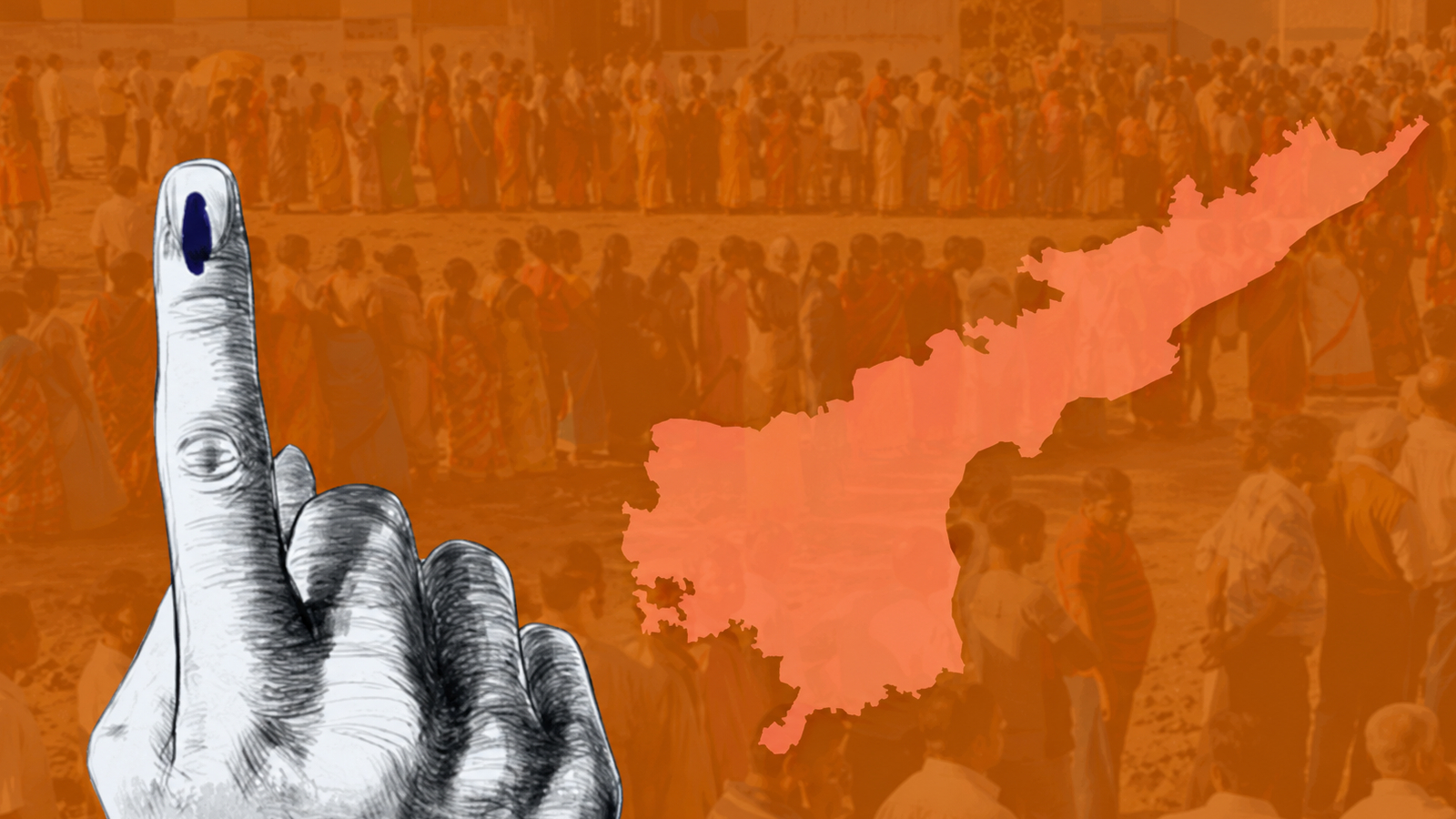
Now, the Special Intensive Revision (SIR) of electoral rolls has triggered another round of protests. Opposition parties have raised concerns over alleged voter deletions and the independence of the Election Commission. They have also demanded the resignation of Chief Election Commissioner Gyanesh Kumar. The controversy has added to the political pressure on the Centre.
Introducing major constitutional amendments amid these tensions could give opposition parties another opportunity to unite against the government. The BJP must weigh the urgency of its reform agenda against the political risks of moving ahead without broader support.
One Nation, One Election and delimitation could have a lasting impact on India’s electoral system. However, securing support for such major changes remains a challenge in a politically divided environment.
For the Modi government, the task is to find the right moment to move forward. As protests and political disputes continue to dominate the national agenda, its ambitious reform plans face an uncertain road ahead.