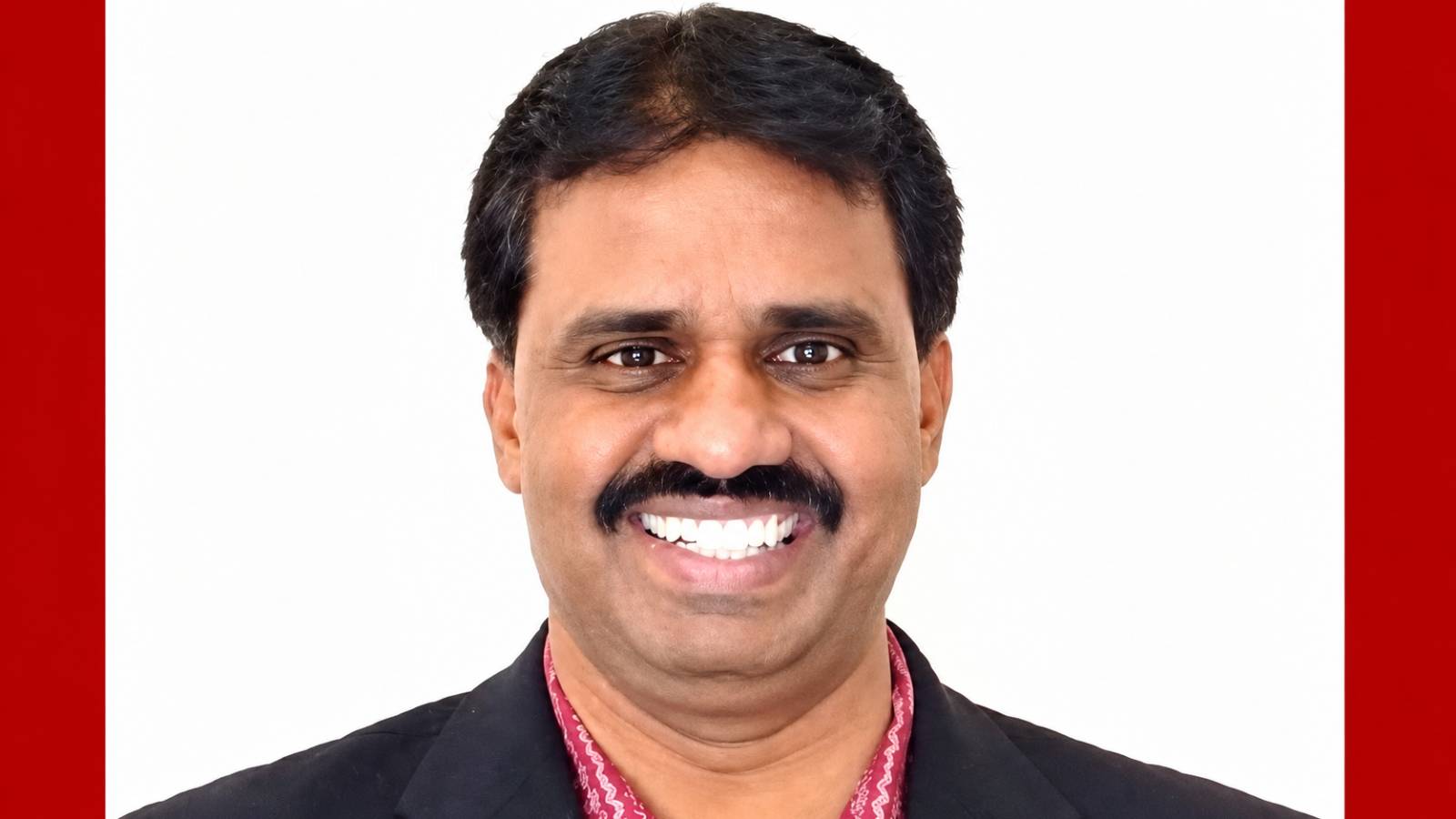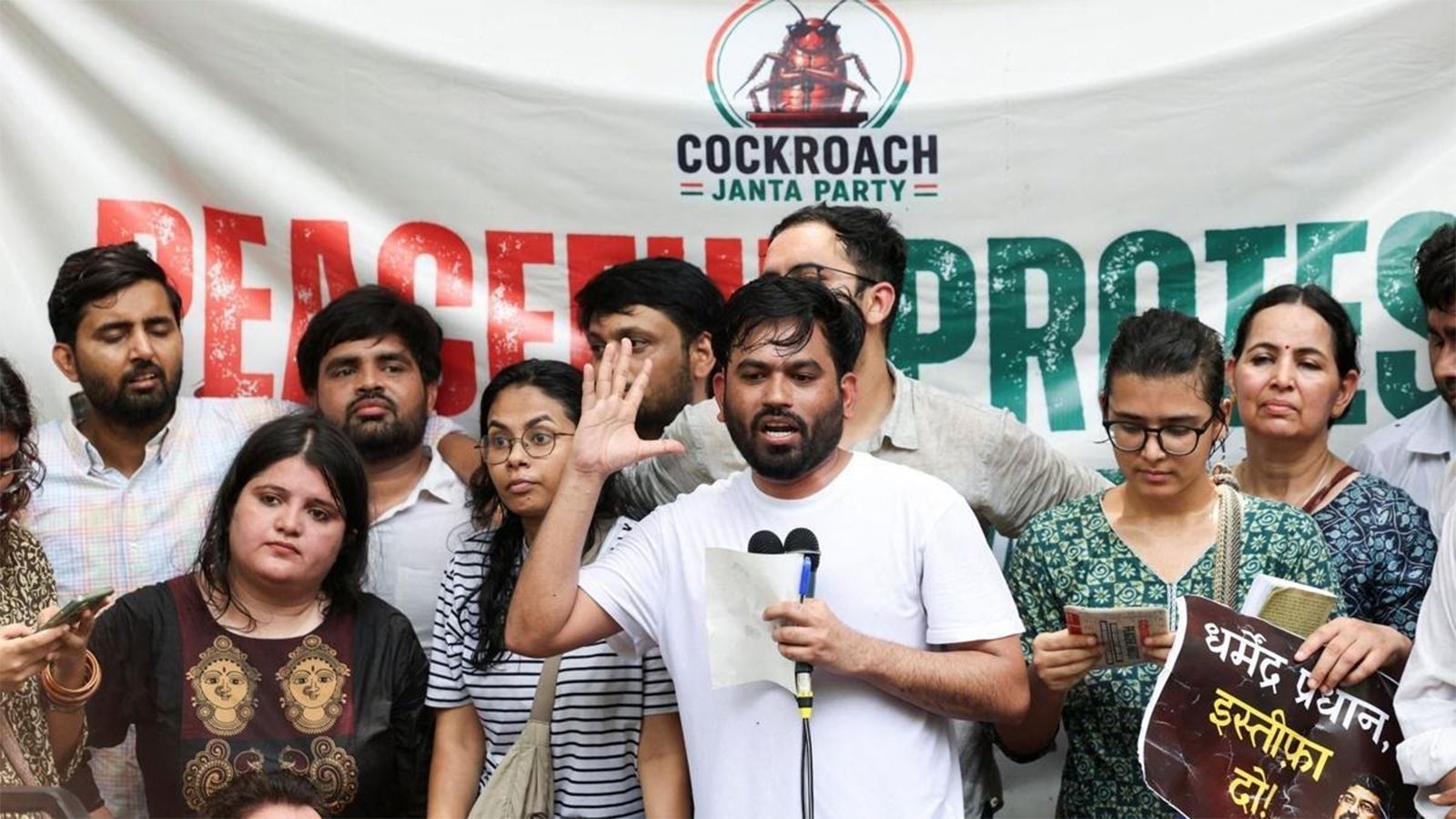
The Cockroach Janata Party (CJP) protests have become a major talking point across the country. It began as an online movement and has grown into a youth-led campaign, with its founder Abhijeet Dipke now at the centre of a nationwide political controversy.
The latest protests in Jantar Mantar, Delhi, demanding the resignation of Chief Election Commissioner Gyanesh Kumar over alleged irregularities in the Special Intensive Revision (SIR) of voter lists, have brought the movement back into the spotlight. The detention of Dipke and fellow CJP leaders at the airport, heavy security restrictions in Delhi and the detention of protesters have intensified the controversy. The leaders were subsequently released under a condition to maintain peace for one year.
But it is Abhijeet Dipke’s statements against Prime Minister Narendra Modi that have added another dimension to the story.
Following the police action, Dipke took to social media and called Modi a “coward” and a “bully”. He also described the Prime Minister as an embarrassment to India and declared that the CJP would not back down. His posts have added fuel to an already heated political situation.
But the real question is simple: does fighting for the public give anyone the right to personally insult elected leaders?
Protest Is a Right, But Words Matter
There is no question that citizens have the right to question the government. If eligible voters are being wrongly removed from electoral rolls, the issue deserves serious attention. Every eligible Indian must be able to exercise the right to vote, and the Election Commission must provide clear answers to genuine complaints.
At the same time, calling for accountability and using personal insults are two different things.
A leader can strongly criticise Modi’s policies, question the government’s decisions and demand his resignation. These are part of democratic politics. But a personal attack on the Prime Minister does not make him a good leader; rather, he loses some of his supporters.
The CJP movement gained attention through its criticism of the system and its campaign around youth-related concerns. Its latest agitation is centred on electoral transparency. The focus should remain on these issues, rather than on how sharply its leaders can attack the Prime Minister.
The Government Must Also Respect Dissent
The government and the police have their own responsibilities. Law and order cannot be ignored, but peaceful protests should not be treated as a threat simply because they challenge those in power.
The extensive security arrangements and mass detentions in Delhi have raised questions about whether the response was proportionate. Authorities must explain their decisions clearly, while protest organisers must follow the law and ensure that demonstrations remain peaceful.
Democracy requires accountability on both sides. The government cannot expect unquestioning support, and protesters cannot expect that every action or statement they make will be beyond criticism.
Keep the Fight Bigger
The SIR controversy concerns the foundation of democracy: the right to vote. Fight for the public, demand answers and question those in power for wrongful deletions. But do not turn a public cause into a personal war against a leader. The right to criticise is one of India’s democratic strengths. Using that right responsibly makes the argument stronger, not weaker.
Ultimately, the success of a protest should not be measured by how many insults go viral. It should be measured by whether it brings accountability and meaningful change for the people it claims to represent.
When a leader fighting for public rights uses insulting language against the Prime Minister, the country’s highest elected executive, what message does it send to ordinary protesters who look up to that leader? Fighting for one’s rights is a democratic privilege, but maintaining dignity and respecting the elected leaders are equally important in a healthy democracy.
Modi, as PM, is an embarrassment to India.
Never has this country seen a bigger coward and bully.
— Abhijeet Dipke (@abhijeet_dipke) October 11, 2026