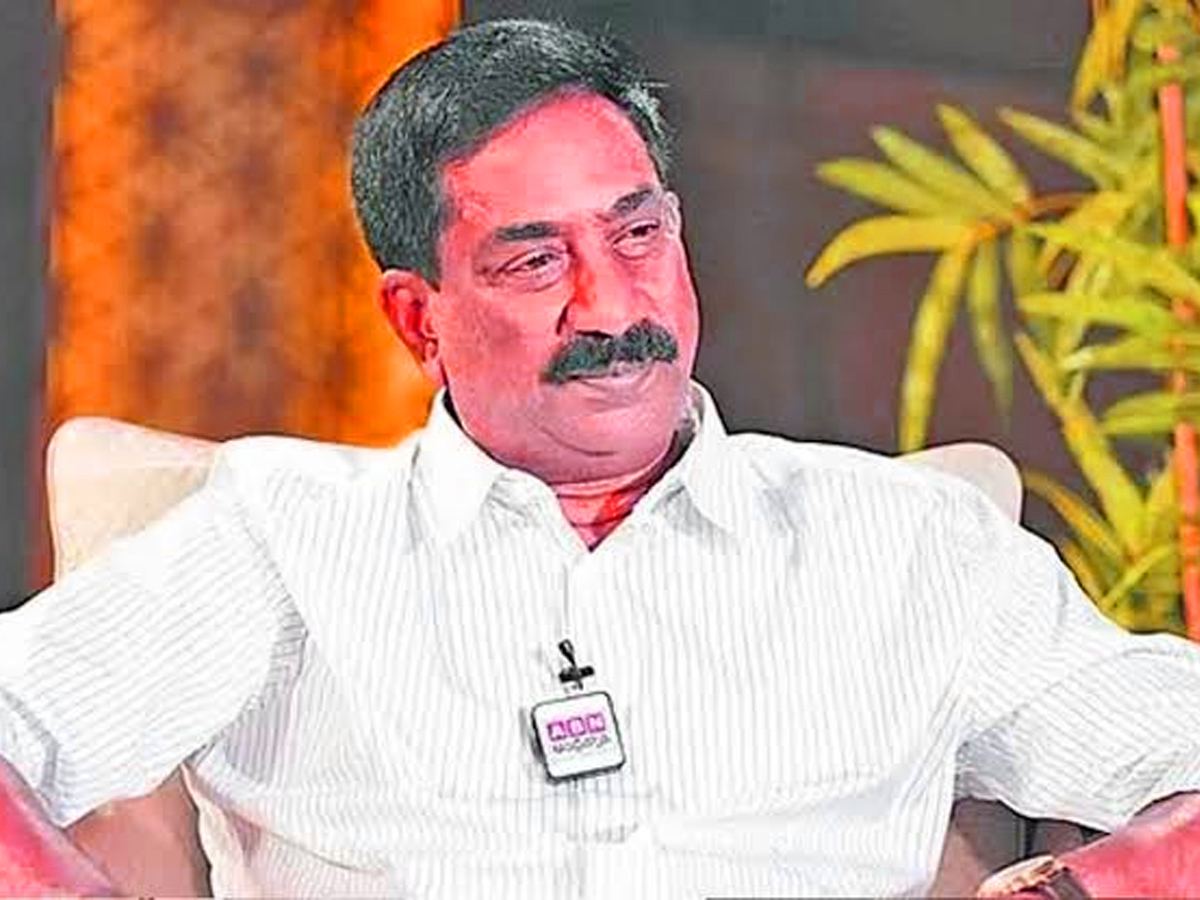
ABN Andhra Jyothy MD Radhakrishna raised questions about how political opinions change depending on who is in power, while comparing the Anna Hazare movement of 2011 with the recent NEET protests led by activists like Sonam Wangchuk and Abhijeet Deepke.
In his latest column, Radhakrishna pointed out the contrast between the two situations. During the Anna Hazare anti-corruption movement, the Congress-led UPA government faced massive protests and eventually brought the Lokpal Bill after pressure from civil society. Today, under the BJP-led NDA government, the NEET controversy has created similar political pressure, with demands for Education Minister Dharmendra Pradhan’s resignation.
He recalled that Arvind Kejriwal, who supported Anna Hazare’s movement, later formed the Aam Aadmi Party and became Delhi Chief Minister. Drawing a parallel, he questioned what political future awaits Abhijeet Deepke, who launched the “Cockroach Janata Party” during the current protests.
According to Radhakrishna, the NEET paper leak may have triggered the agitation, but the continued anger among students points to a deeper dissatisfaction. He questioned why thousands of young people gathered at Delhi’s Jantar Mantar and why a movement started by students gained such momentum.
He argued that although the government acted after the NEET controversy and conducted the examination again with tighter measures, the issue remained alive because the problem was not just about one examination. It reflected growing frustration among youth regarding the education system and political institutions.
Radhakrishna also questioned whether public trust in the political system is declining. He said that while Prime Minister Narendra Modi has often been seen as a strong leader who handled opposition challenges firmly, the government being forced to take a step back in this case indicates changing public sentiment.
Comparing past and present movements, he observed that the Lokpal movement created political changes but did not completely eliminate corruption. Similarly, even if the current protests lead to political accountability, it may not automatically stop future paper leaks.
His central argument was that the rise of unexpected leaders and sudden youth movements reflects the level of frustration building among people, especially the younger generation, toward existing political alternatives.