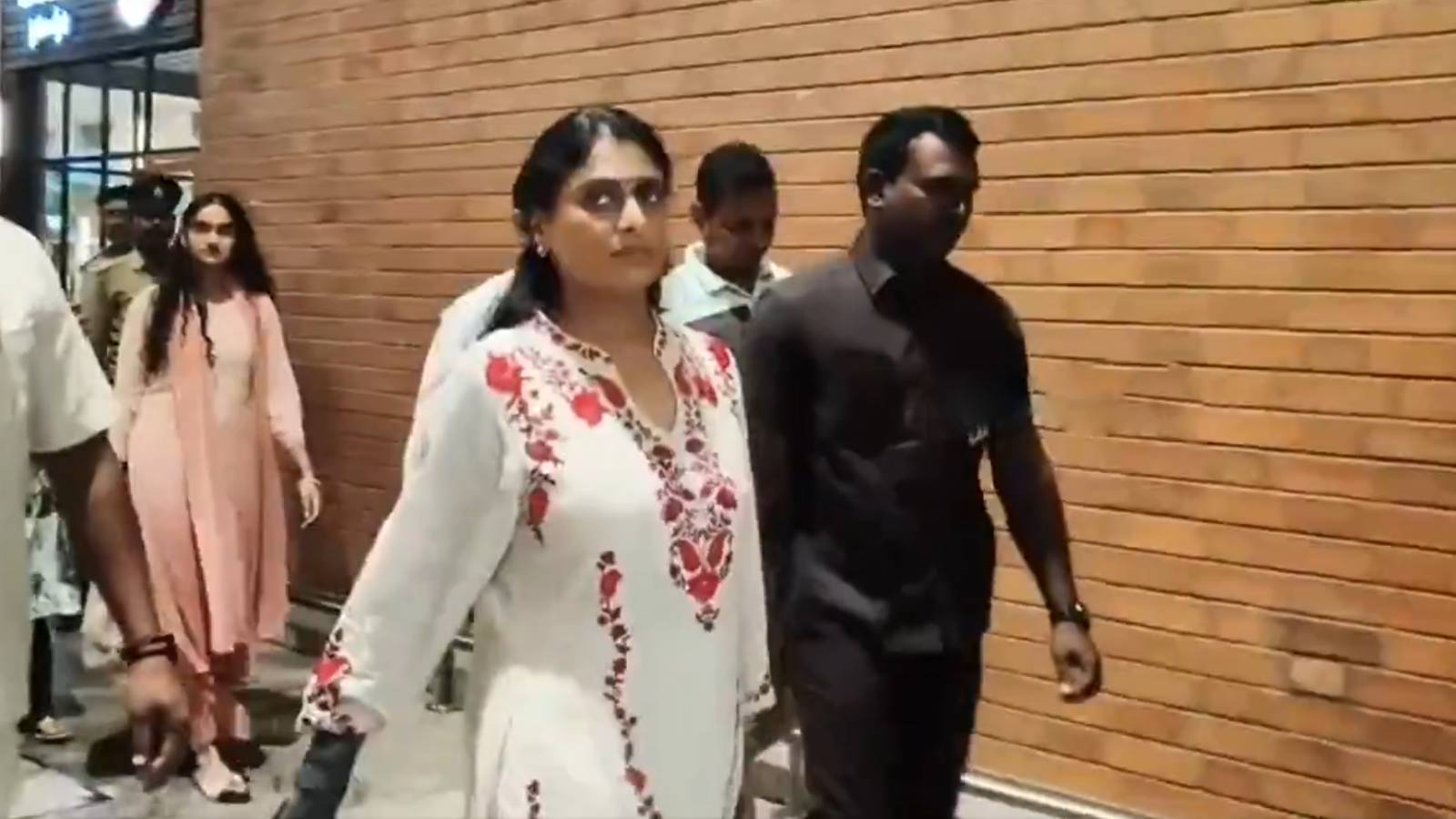
YS Sharmila’s visit to Yelahanka ended in a confrontation, but the outcome was hardly unexpected. The property dispute involving her brother, YS Jagan Mohan Reddy, has been escalating for weeks. With the issue already attracting public attention, her decision to visit the property along with their mother, YS Vijayamma, was bound to create another flashpoint.
Police stopped Sharmila and Vijayamma near Bengaluru’s Airport Cross, preventing them from proceeding towards the Yelahanka residence. Sharmila became emotional and questioned why she needed permission to visit a property associated with her late husband, YS Rajasekhara Reddy. Sharmila also challenged the police action, asking why she was being stopped from visiting what she considers her family home.
However, the legal position is important. A Bengaluru civil court had granted an interim injunction in favour of Silicon Builders Private Limited, which claims possession of the property under a lease agreement. The order restrains Sharmila and those acting on her behalf from interfering with the company’s possession. The matter is scheduled for a further hearing on December 19. This is an interim order, not a final ruling on the family’s ownership claims.
The dispute has also become entangled with Sharmila’s daughter’s wedding arrangements. Sharmila reportedly wanted the wedding to take place at Yelahanka Palace. After that plan faced objections, she sought to use the property for wedding preparations as well. Those disagreements have now spilled into the public domain.
What stands out is the way the confrontation has unfolded. Sharmila is an experienced political leader who understands the public attention that an episode involving her mother, the police and the Yelahanka residence would attract. Visiting the legal restrictions was always likely to produce a dramatic situation. The emotional scenes at the gates have now given the dispute another round of publicity.
Her family’s claims cannot be dismissed, but Vijayamma’s emotional appeal alone cannot decide who has the legal right to the property.