Rising tensions in the Middle East and reports about the closure of the Strait of Hormuz have triggered fresh concerns about fuel supply in India. The possibility of an LPG shortage has become a topic of discussion as the government closely monitors the situation.
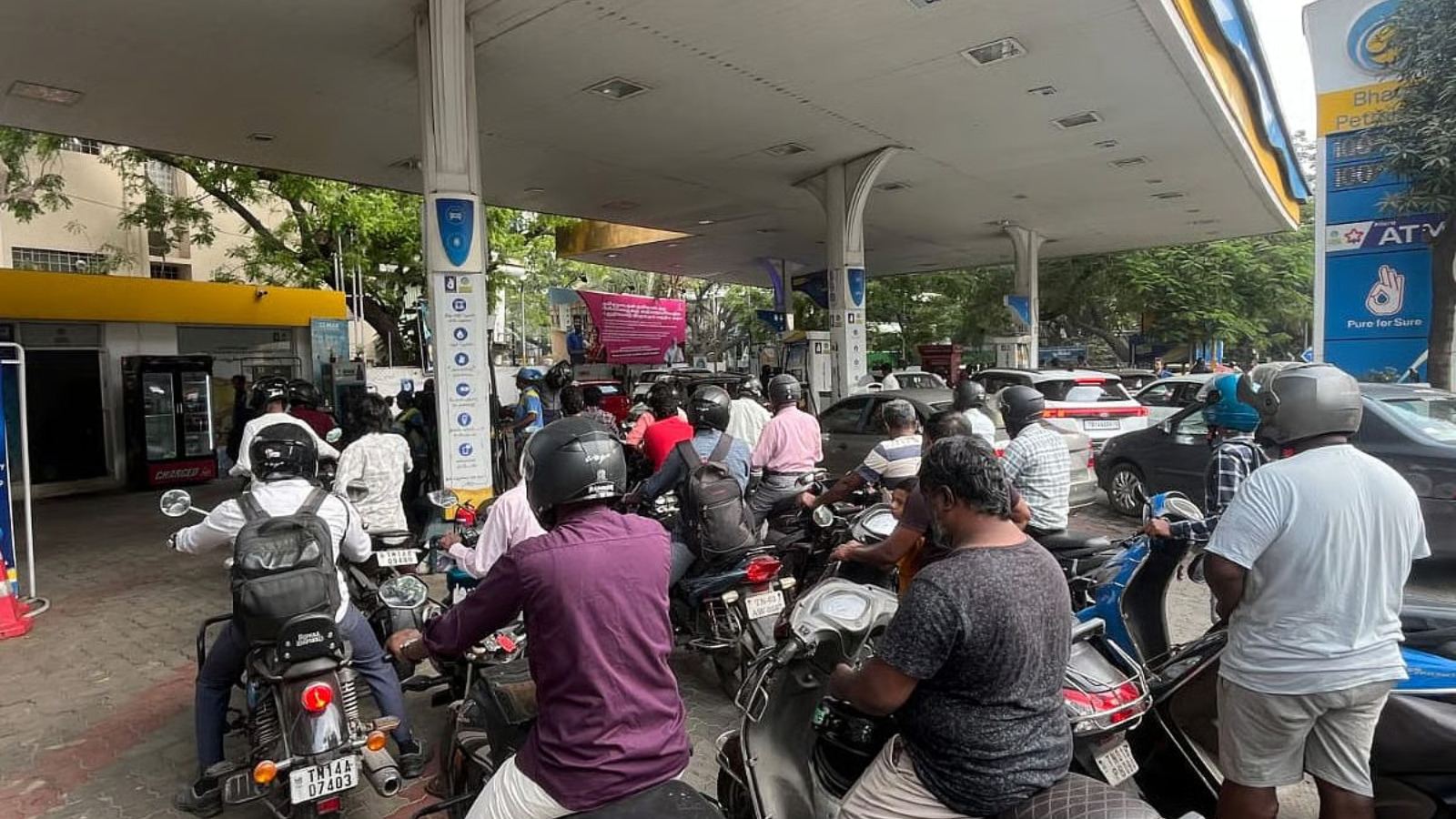
Amid this uncertainty, rumours circulating on WhatsApp and Facebook claimed that petrol could run out in the coming days. These messages quickly spread across Chennai, leading to panic among residents and long queues at fuel stations across the city.
Many fuel bunks have reported a sudden surge of vehicles arriving to fill petrol tanks. The rush has been intense since early morning, with people fearing that fuel supply might become limited in the coming days.
Interestingly, the panic has also affected household purchases. In several supermarkets across Chennai, more than 1,000 induction stoves were reportedly sold within a short period as families began preparing for a possible shortage of cooking gas.
Some restaurants have also adjusted their food menus due to concerns over fuel supply. At the same time, a few offices have allowed employees to shift to work from home temporarily to reduce travel and fuel consumption.
Despite the panic, officials from the Petrol Association of Tamil Nadu and the state government have issued clear statements. They confirmed that petrol stock is available for the next 21 days, urging the public not to believe unverified rumours.
Experts and industry observers have also appealed to citizens to avoid panic buying. They warned that excessive demand at fuel stations can temporarily create shortages even when adequate supply is available.
Authorities have also clarified that although commercial LPG cylinders may face temporary supply pressure, domestic LPG cylinders will continue to be supplied normally. Officials have requested the public to remain calm and avoid unnecessary stockpiling.
As panic buying continues in some areas of Chennai, the coming days will be crucial for authorities. The state government may introduce additional measures to control the situation and reassure the public about fuel availability.