In a shocking turn in the Meghalaya honeymoon murder case, accused Sonam Raghuvanshi has been granted bail, with the court pointing to serious procedural lapses by the police as the key reason.
The victim’s family has now decided to challenge the bail order in the Meghalaya High Court.
The court found a major legal error in the arrest process. Under the Bharatiya Nyaya Sanhita, murder cases are to be registered under Section 103(1). However, the police mentioned Section 403(1) in the arrest memo, a section that does not exist under the law.
This error was not limited to a single document. The same incorrect section was repeated across multiple records, raising serious concerns about how the case was handled. The court rejected the police argument that it was merely a technical mistake and observed that the arrest itself lacked a proper legal basis.
Another key lapse was related to procedural rights. When Sonam was first produced before a court in Ghazipur, there was no record to show that she was allowed to consult a lawyer. As a result, she could not challenge her arrest at the appropriate stage, which further strengthened her bail plea.
Taking these factors into account, the court granted bail with conditions, including that she should not leave Shillong district without permission.
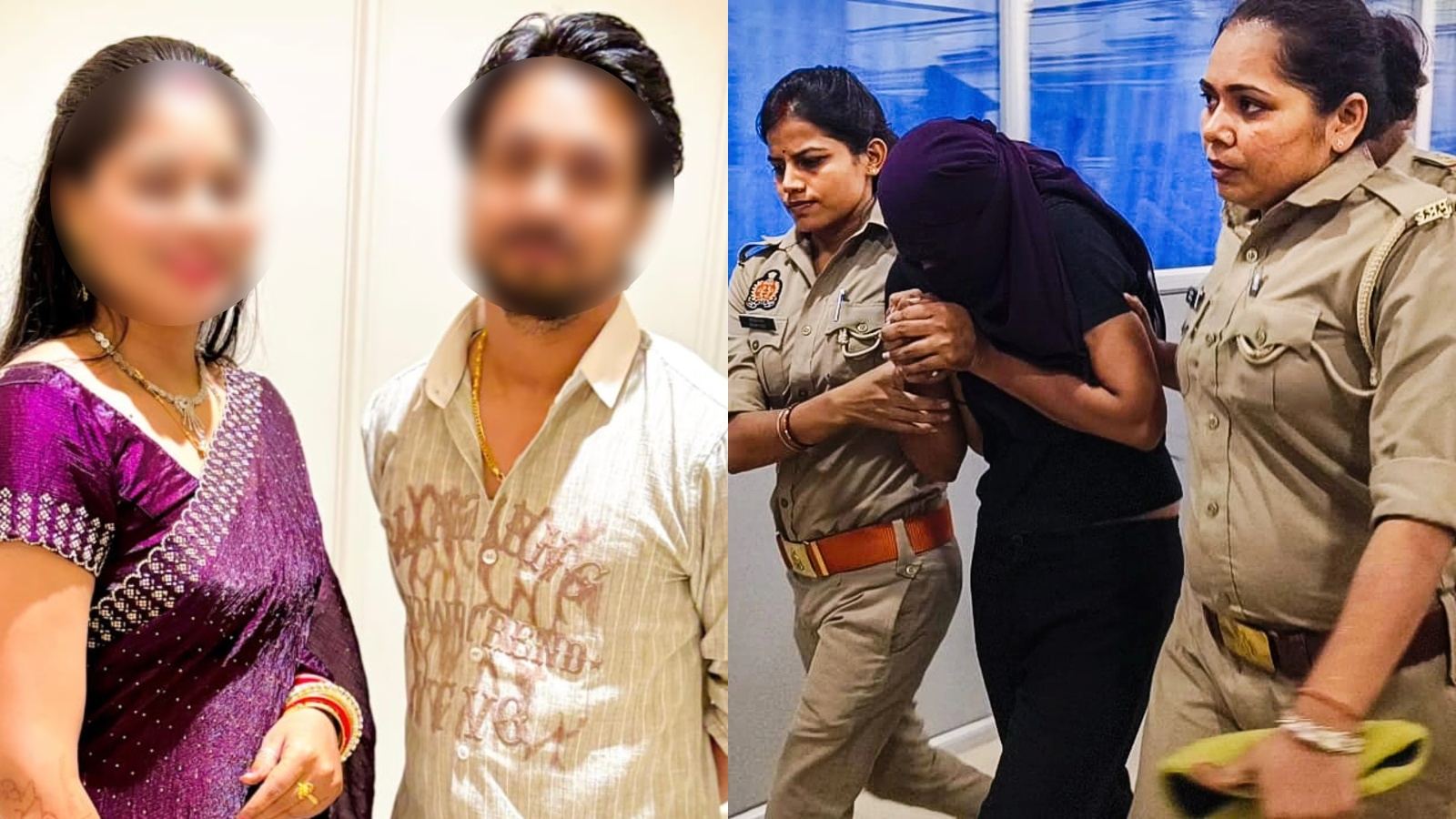
The case relates to the murder of Raja Raghuvanshi, a businessman from Indore, who had recently married Sonam. The couple travelled to Meghalaya for their honeymoon on May 20 and went missing soon after. Eleven days later, Raja’s body was found in a gorge near Sohra with multiple stab injuries.
Police later alleged that Sonam conspired with her alleged partner Raj Kushwaha, and a total of eight people were arrested in connection with the case. So far, three accused have been granted bail.
The victim’s family has expressed dissatisfaction with the development and is preparing to move the High Court.
The case now brings focus on a critical issue, even in serious offences like murder, procedural lapses can significantly weaken the prosecution.
In criminal cases, evidence may build the case, but procedure decides whether it stands.