Discussions about family size often reflect the social and economic conditions of a society. In many regions, large families were once common and widely accepted. This was especially true in rural communities where children helped with farming and household work.
Over time, changing economic realities have begun to reshape these traditional ideas. Rising living costs and modern lifestyles have influenced how families think about having children. Many households now prefer smaller families to manage expenses and responsibilities more effectively.
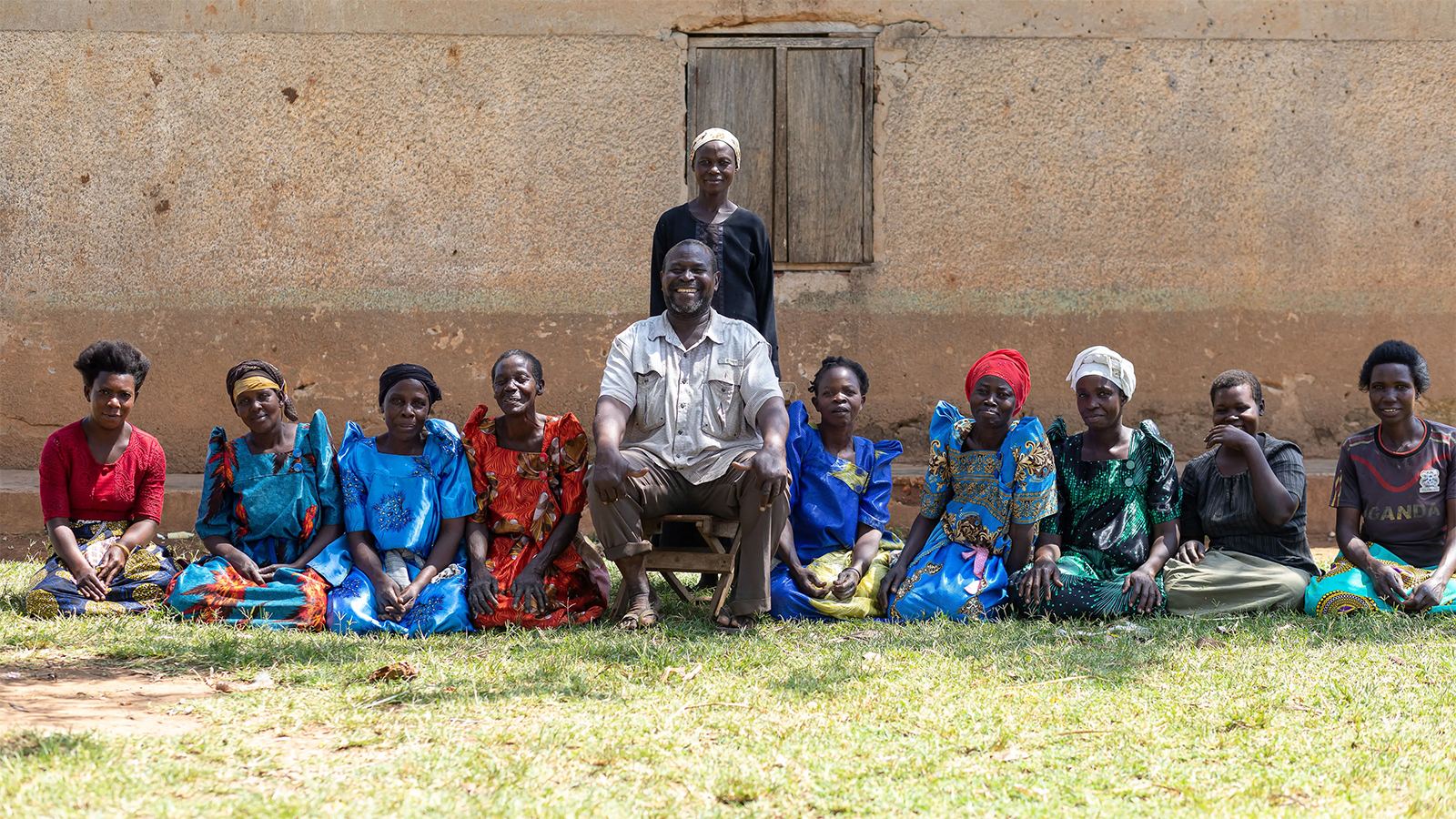
A recent story from Uganda highlights this shift in a striking way. Musa Hasahya, a farmer known for having an extremely large family, has reportedly decided to stop having more children. Reports say he has fathered 102 children with 12 wives.
Over the years, the family has grown into a massive household. The extended family now reportedly includes more than 500 grandchildren. While such numbers often attract global attention, the reality of managing such a large family has become increasingly difficult.
Hasahya has explained that rising costs of food, healthcare, and education have created serious financial pressure. Supporting a household of this size is no longer sustainable. These economic challenges have forced the family to reconsider further expansion.
According to reports, several of his wives have started using birth control. This decision came after Hasahya informed them that the family could no longer afford to have more children. The step reflects a practical response to financial limitations.
His story reflects a broader global challenge. Many families today face increasing financial pressure due to the rising cost of living. What once seemed manageable can quickly become overwhelming when resources are limited.
Ultimately, the story highlights an important reality about modern life. Decisions about family size are often closely linked to economic stability and long term responsibility. Changing financial conditions continue to shape how families plan their future.