India’s recent ODI performances against New Zealand have highlighted the importance of having a settled middle order. With the 2027 World Cup approaching, the team management needs to identify players who can handle difficult batting conditions.
The matches in New Zealand have offered a useful test, particularly against fast bowlers who have extracted movement and bounce.
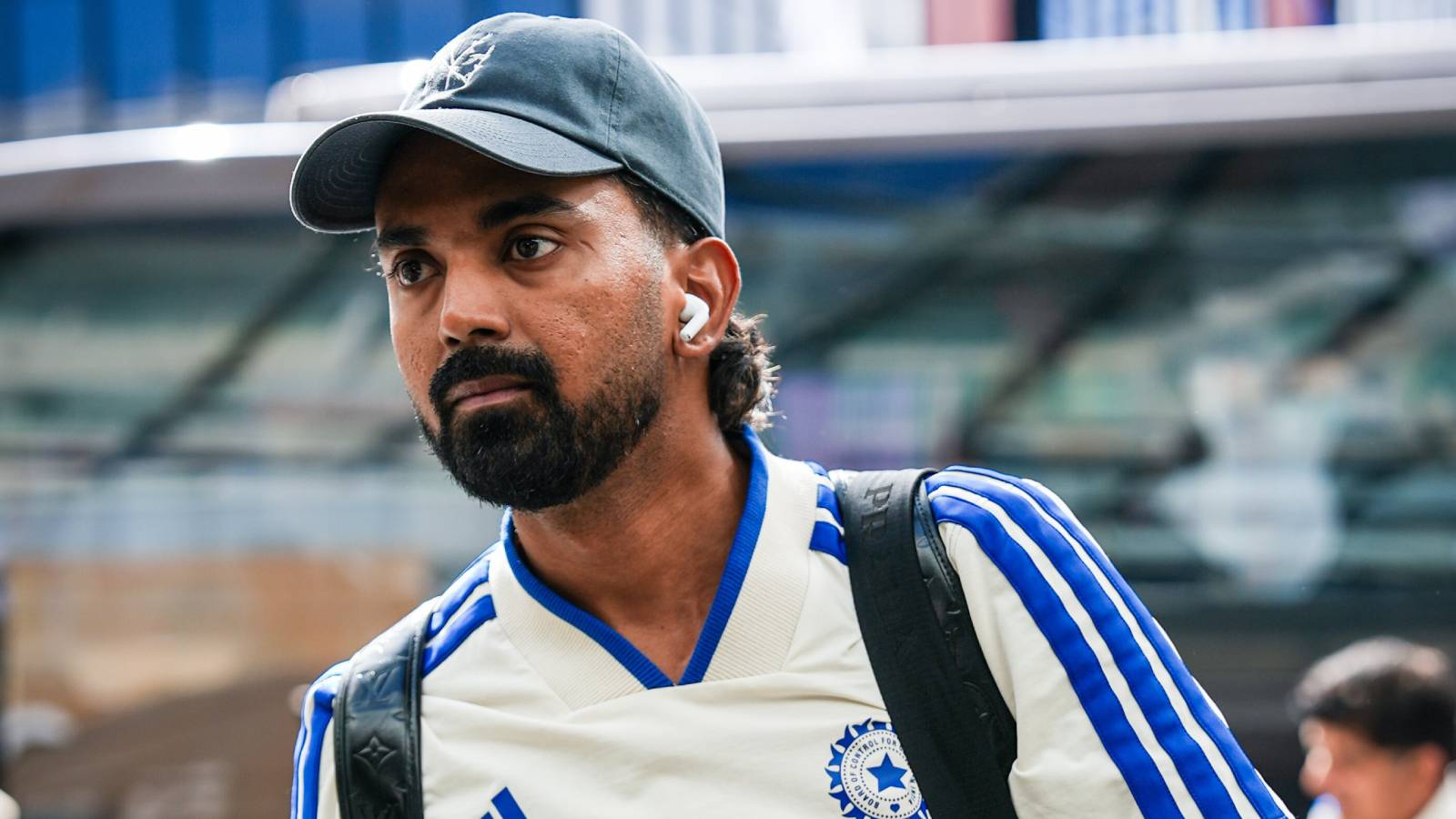
One player who deserves greater responsibility in this situation is KL Rahul. His experience and record in the middle order make him an important option for India’s World Cup plans.
Rahul’s numbers at No. 5 in ODI cricket provide a strong reason to retain him in that position. He has scored 1,646 runs in 36 innings at an average of 68.58 and a strike rate of 103.19. These figures show his ability to contribute in different match situations. He can rebuild an innings after early wickets and increase the scoring rate when the team needs acceleration.
His unbeaten 26 against New Zealand in Wellington was another example of his ability to remain composed during a difficult chase. Although it was not a major individual score, his contribution helped India stay ahead of the DLS target.
Axar Patel’s promotion in the batting order has also been part of India’s team strategy. His left handed batting provides variety, while his ability to attack spin and contribute with the ball makes him a valuable all-rounder.
He has also produced important performances in the middle order, including during the Champions Trophy. Despite, his ODI average of 30.41 at No. 5 is considerably lower than Rahul’s. India should consider using Axar according to the match situation rather than making his promotion a regular arrangement. His batting and bowling can be equally useful in the lower middle order.
The 2027 World Cup, scheduled to be played in South Africa, Zimbabwe and Namibia, will demand different skills from India’s batters. South African pitches can offer assistance to fast bowlers, particularly early in an innings, while conditions across the other host nations will present their own challenges.
India will need players who can adjust their batting according to the surface and the match situation. Rahul has the experience and technique to handle these responsibilities.
The team management should also consider how the batting order will function when Hardik Pandya is available, as a combination of Rahul at No. 5 and Hardik at No. 6 could provide a suitable balance.
India still have time to settle their combination before the WC, but experimenting without a clear plan could create unnecessary uncertainty.
Rahul should receive consistent opportunities at No. 5 so that the team can build its middle order around established roles. Axar remains an important part of the setup and can offer valuable contributions with both bat and ball. With a major tournament ahead, India need consistency in their selection and clarity in their batting order.