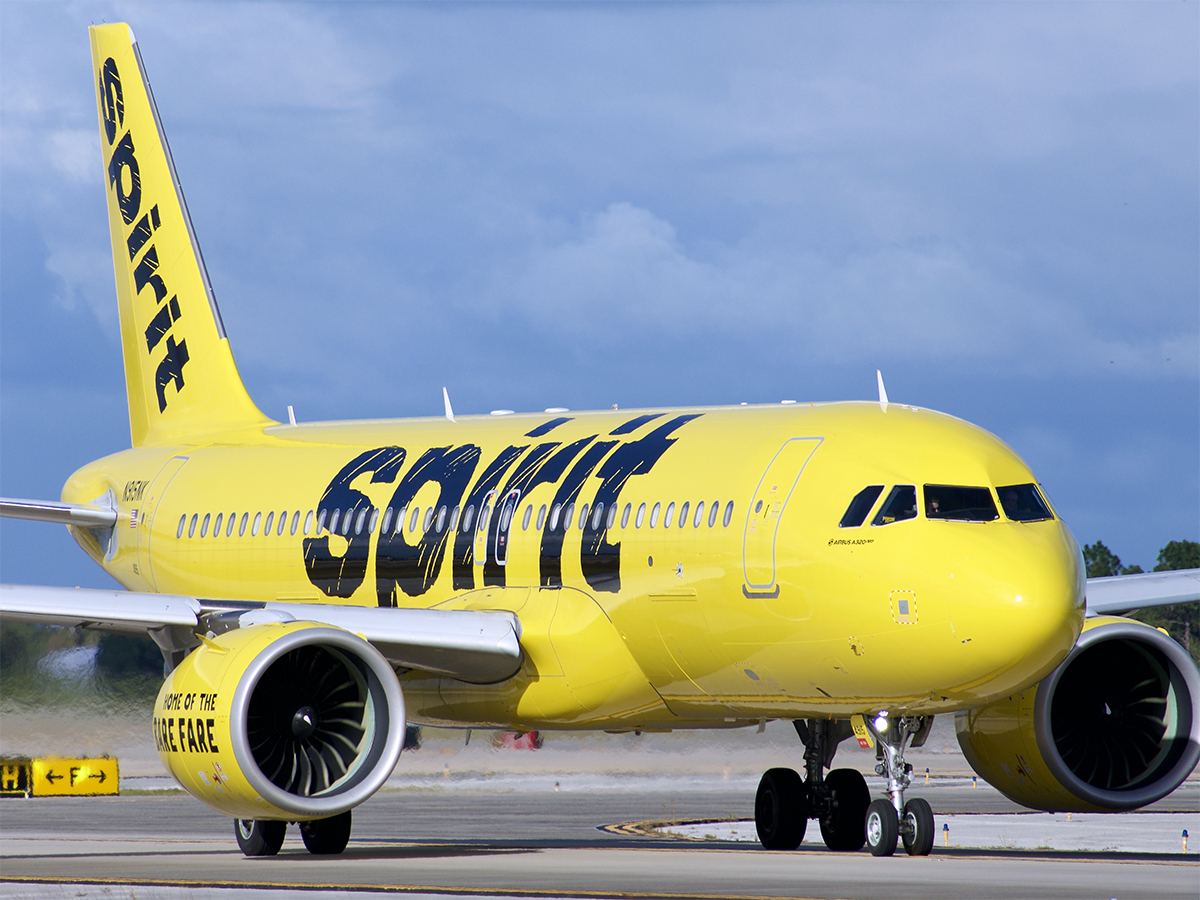
Spirit Airlines is facing one of the most challenging periods in its history. Following the collapse of its planned merger with JetBlue, the ultra-low-cost carrier has admitted there is substantial doubt about its ability to continue operations without major changes. This highlights the mounting pressures in the budget airline segment.
Asset Sales to Boost Liquidity
To strengthen its cash reserves and rebuild investor trust, the airline has agreed to sell 23 Airbus aircraft for $519 million. While this will reduce operational capacity, it will also provide a much-needed cash injection at a crucial time.
Cost Cuts and Capacity Reductions
Alongside the asset sale, Spirit is implementing an $80 million cost reduction plan that includes staff cuts. These measures reflect expectations for fewer flights and weaker domestic leisure travel demand. Capacity is expected to drop by a mid-teens percentage next year, with ongoing Pratt & Whitney engine issues adding further strain.
Strategy Shifts to Attract Passengers
Despite these difficulties, Spirit is not pulling back entirely. The airline is testing new ticket bundles and premium seating options to attract higher-paying passengers while maintaining its low-cost model. This approach aims to expand revenue sources beyond the bare-bones service it is known for.
Market Performance and Future Uncertainty
Spirit’s stock value has dropped 85 percent this year but saw slight improvement after news of the asset sales and possible renewed merger talks with Frontier Airlines. While the path forward is unclear, the leadership is prepared to take bold steps to safeguard the company’s future. Success will depend on balancing capacity cuts with maintaining a strong market presence in a competitive industry.