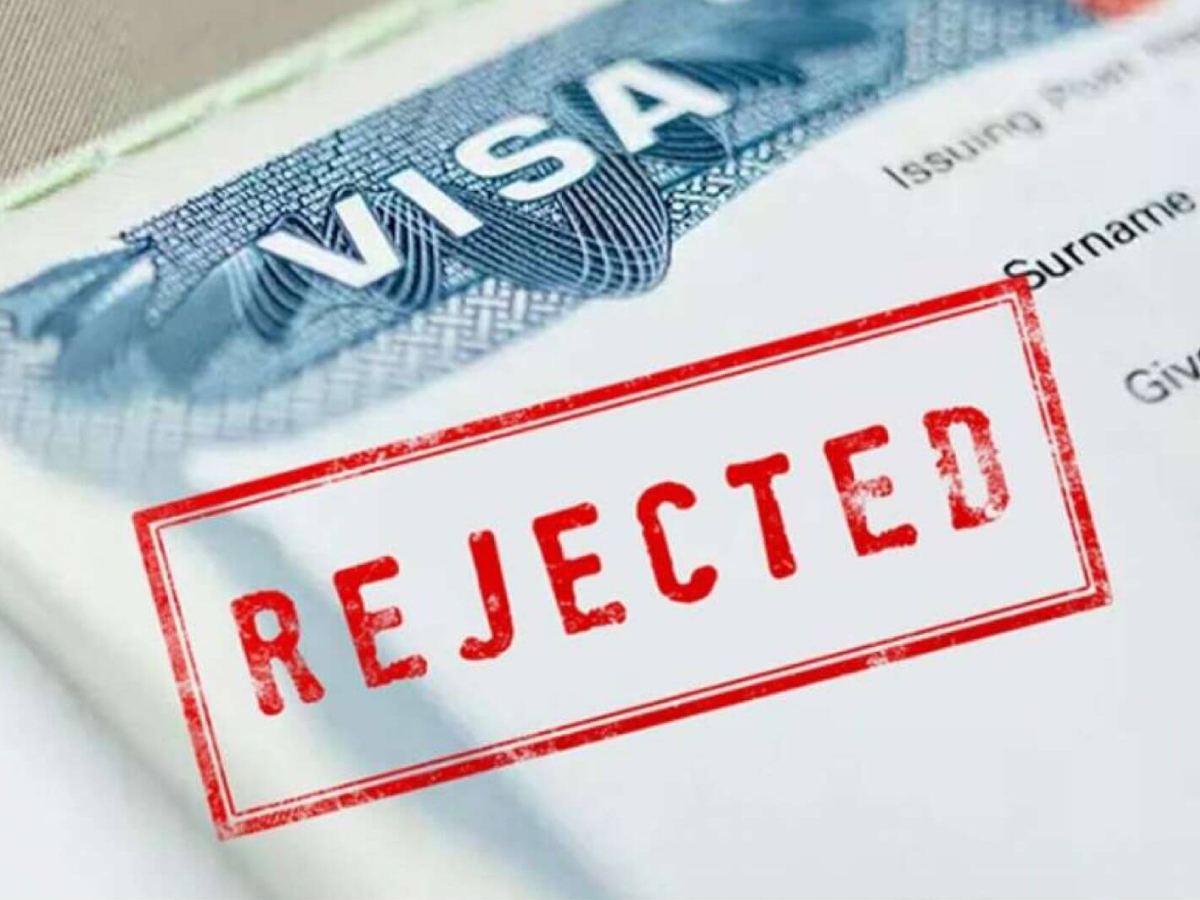
An elderly Indian couple recently faced a heartbreaking B1/B2 visa rejection at the US Consulate in Hyderabad. They had hoped to visit the United States to attend their daughter’s graduation in December, but their interview lasted barely five minutes before they were handed a 214(b) refusal. To their surprise, the officer didn’t review any documents and ended the interview abruptly.
The father, who works for the Indian government, clearly stated that his daughter was graduating soon and that he sends her financial support. When asked about loans, he honestly mentioned that she had taken an education loan to study in the US. He answered all questions in Telugu through a translator.
Things took an unexpected turn when the officer asked if they had any other children in the US. The father disclosed that their son is in the US on an H-1B visa. At that point, the officer paused, checked his system, and without seeking more information about their financial background, job stability, or property in India, handed them a rejection letter under section 214(b).
Adding to their confusion, the translator reportedly told them to reapply “when your son’s financial status improves.” However, the son later clarified that he has no loans, maintains a stable income, and has already cleared his car loan. This raised doubts within the family—was it the officer’s assumptions, the translator’s wording, or systemic bias in the visa process that led to the rejection?
The family is now questioning whether the refusal was triggered by their son’s visa status or miscommunication during translation. They didn’t seek to immigrate or overstay; they simply wanted to celebrate a milestone with their daughter. Instead, they were handed a rejection with no clarity, no explanation, and no recourse.