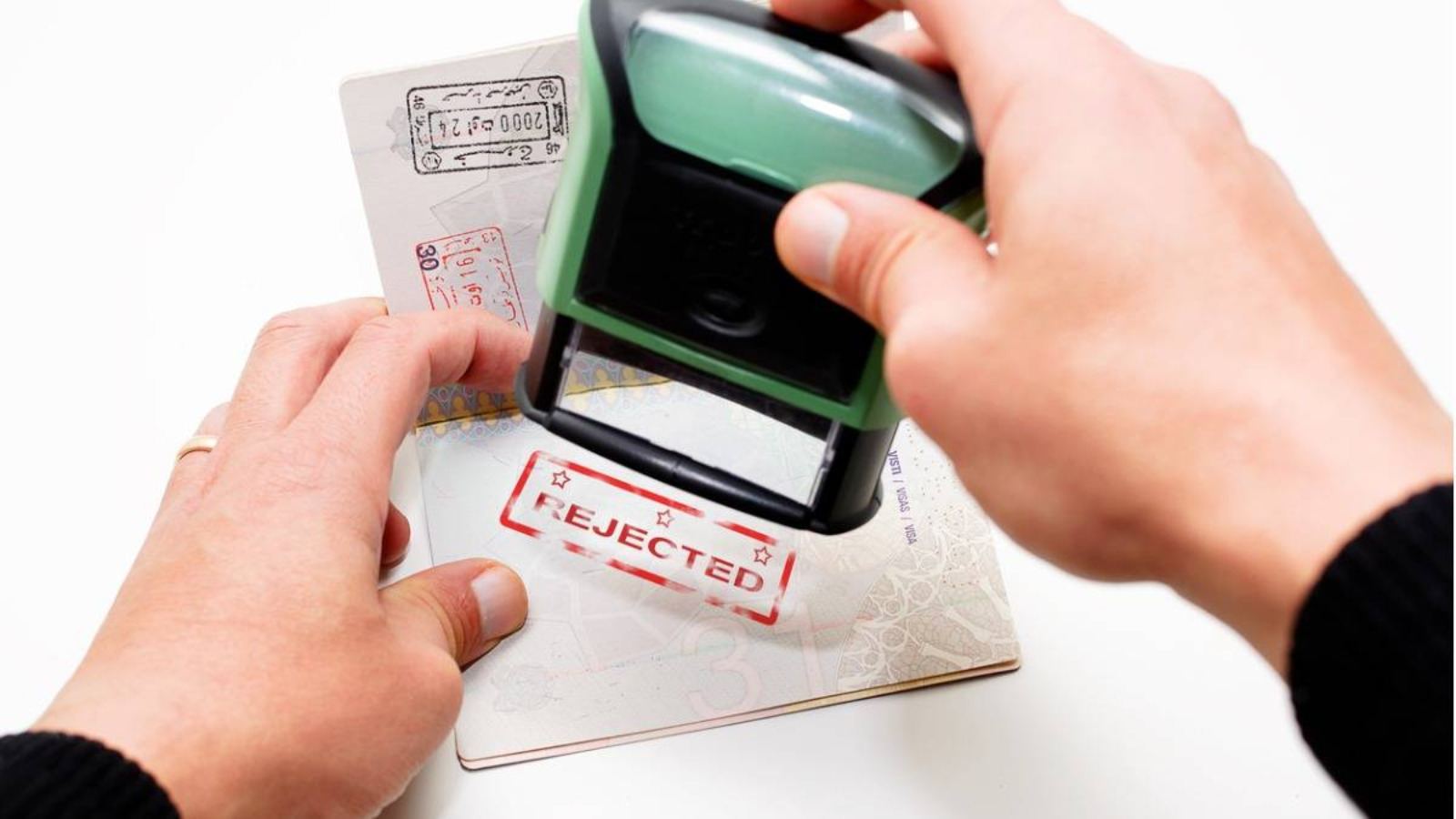
F-1 visa rejections have increased sharply in recent months amid tighter immigration scrutiny in the United States. Indian students are facing uncertainty as admissions to top universities are affected, even after receiving official admission letters from institutions.
After a visa rejection, securing a second consular interview has become more difficult. Many applicants are now warning others about what they describe as a “silent ban” that follows a refusal, making it harder to reapply quickly.
One student reported that their F-1 visa was refused on April 20 and is now anxious after seeing similar cases. Several applicants claim they are unable to book fresh interview slots for as long as 10 months after rejection.
Some users have rejected the claim and argue that there is no such “silent ban”. They state that each refusal is treated as a new application and point to factors like university choice, course selection, and applicant profile as reasons for denial.
However, a section of recent applicants believes the delay may not be official but still exists in practice. A student refused since 2025 claimed that many applicants have been waiting close to a year to secure another appointment.
Another applicant stated that refused candidates in India are facing delays of up to 11 months, while new applicants are getting interview slots more easily. This difference has added to confusion among students planning to reapply.
The growing frustration around limited appointment slots appears to be driving this belief. With fewer slots available for F-1 visas, many applicants are interpreting delays as an unofficial restriction, leading to widespread concern and speculation.