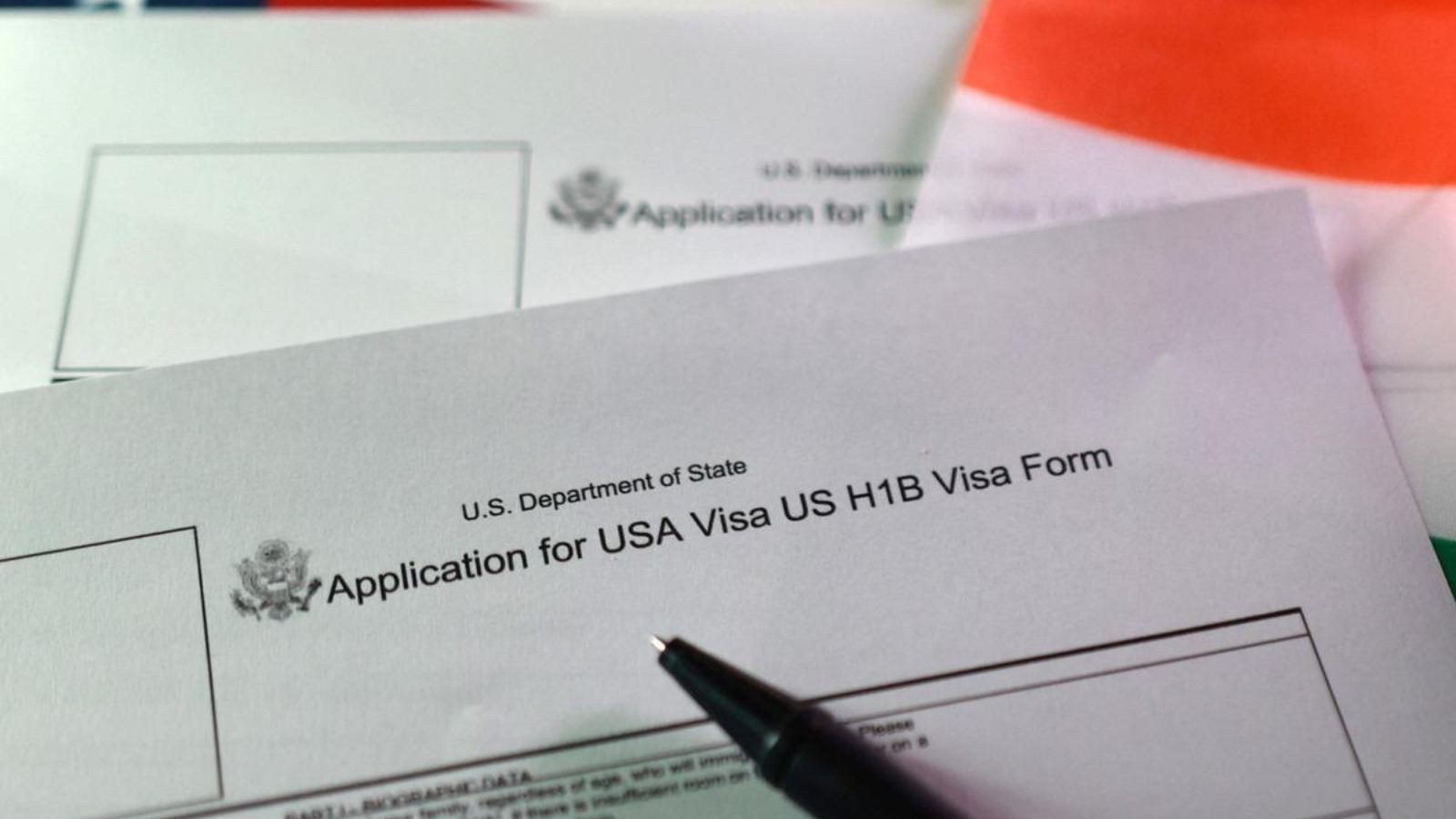
An H-1B visa holder recently noticed a serious discrepancy in official records. The worker has a valid I-797 approval notice extending H-1B status until 2029. However, the I-94 record shows validity only until May 2026.
Such mismatches usually occur when a Customs and Border Patrol officer aligns the I-94 expiry date with the passport expiry. This can result in a shortened status period. Many workers remain unaware of the difference.
Failing to correct a truncated I-94 can lead to accidental visa overstay. Overstay violations carry severe legal consequences. These may include deportation or even a future entry ban.
Experts say the worker may fall under one of two scenarios. If the H-1B extension valid from date is after the latest entry into the US, a new status period may apply. In that case, the paper I-94 attached to the I-797 becomes the governing document.
Sometimes the electronic I-94 portal does not automatically update to reflect this change. Administrative intervention may be required. Workers should carefully verify which document controls their status.
In another situation, the extension may already have been active at the time of entry. If the CBP officer still shortened the I-94 validity, it is likely an administrative error. This needs immediate correction.
The worker must contact a Deferred Inspection office to request a fix. They should carry the I-797 approval notice and a valid passport. These documents allow CBP to update the digital record and resolve the discrepancy.