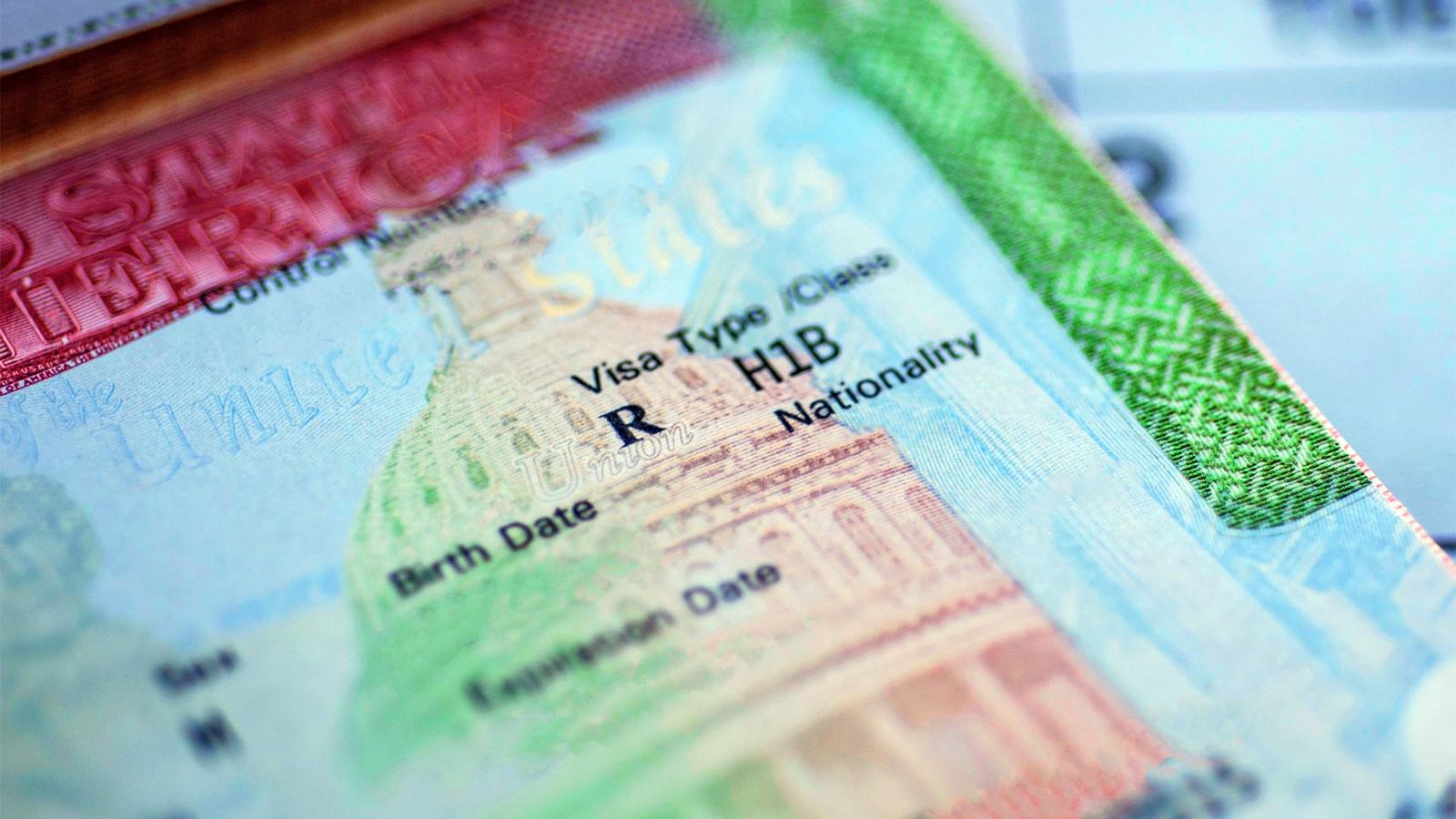
A professional working on an H-1B visa has received a Request for Evidence for an H-1B extension. The applicant already holds an approved I-140 from a previous employer, adding complexity to the current extension process.
The individual’s present H-1B status is set to expire in May 2026. A job change took place three years ago, at a point when the six year H-1B limit had already been exhausted.
The situation has become complicated as the priority date for the employment-based green card is now current. Under federal rules, three year H-1B extensions are usually allowed when a green card application remains pending.
However, once a priority date becomes current, eligibility for multi-year H-1B extensions may no longer apply. This creates uncertainty for applicants relying on extended status while completing the green card process.
Another concern is that the current employer has not yet filed a PERM application. The employer plans to initiate the PERM process in April, which may be too late to support the present extension request.
Immigration experts explain that H-1B extensions linked to green card filings require a valid and pending PERM. In most cases, the PERM must have been pending for at least one year to qualify.
The worker’s attorney believes a one year extension could still be possible under the AC21 provision. This rule allows yearly extensions if more than 365 days have passed since an I-140 was approved.
Approval, however, depends on showing that delays were caused by factors beyond the applicant’s control. Clear documentation and a detailed explanation will play a critical role in the final decision.
Without an extension, departure from the US may become mandatory. Experts suggest keeping a backup option open, including returning to the previous employer and filing an Adjustment of Status if feasible.