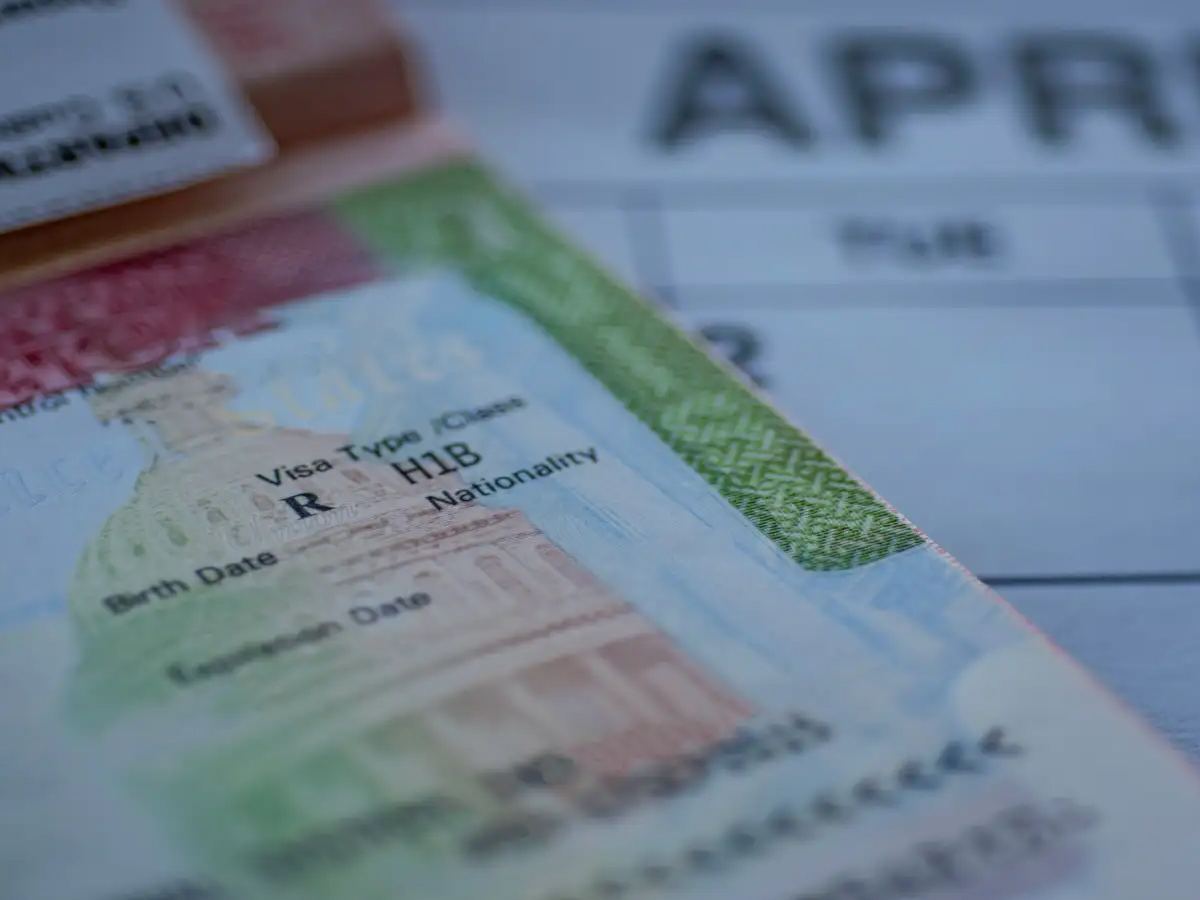
For one Indian software engineer in the U.S., every day feels like a countdown. His last day with his old employer is August 8, while his new company filed an H1B transfer on July 22 and secured approval by July 29. On paper, things look fine. In reality, he is consumed with anxiety.
The new employer refuses to let him start before August 18, insisting on waiting for the physical approval notice, even though the email confirmation is already in hand. That creates a 10-day gap—ten days where his visa status feels uncertain.
Under USCIS rules, H1B workers are granted a 60-day grace period after employment ends. Immigration lawyers confirm that this gap should be safe since the new petition is already approved. But gray areas in U.S. immigration law often leave room for doubt. What if a future officer questions this downtime? What if stamping officers interpret it differently? These “what ifs” weigh heavily on his mind.
Attorneys usually advise workers in such cases to build a “paper trail.” That means saving HR emails explaining onboarding delays, keeping official approval receipts, and recording the confirmed start date. If questions arise in the future, these documents prove the gap was company-driven, not voluntary.
Could the company let him join sooner based on the email approval? Technically yes. Will they? Unlikely. And so, he waits—powerless, knowing each day beyond August 8 stretches his anxiety further.
This is not just a technical visa concern. It reflects the struggle of thousands of Indians in the U.S. who follow every rule yet find themselves at the mercy of policies written in fine print. For them, even a 10-day gap can feel like standing on the edge of a cliff.
Still, they endure—because the American dream is too big to abandon.