The Courage of Direct Accountability
For decades, political crisis management in Andhra Pradesh followed a strict, scripted playbook. When a disaster struck, leaders would fly in, visit victims in highly secured hospital rooms, hold closed-door administrative reviews, and exit after announcing an immediate financial package.
The messy reality of ground-level anger was deliberately kept at arm’s length by extensive security cordons.
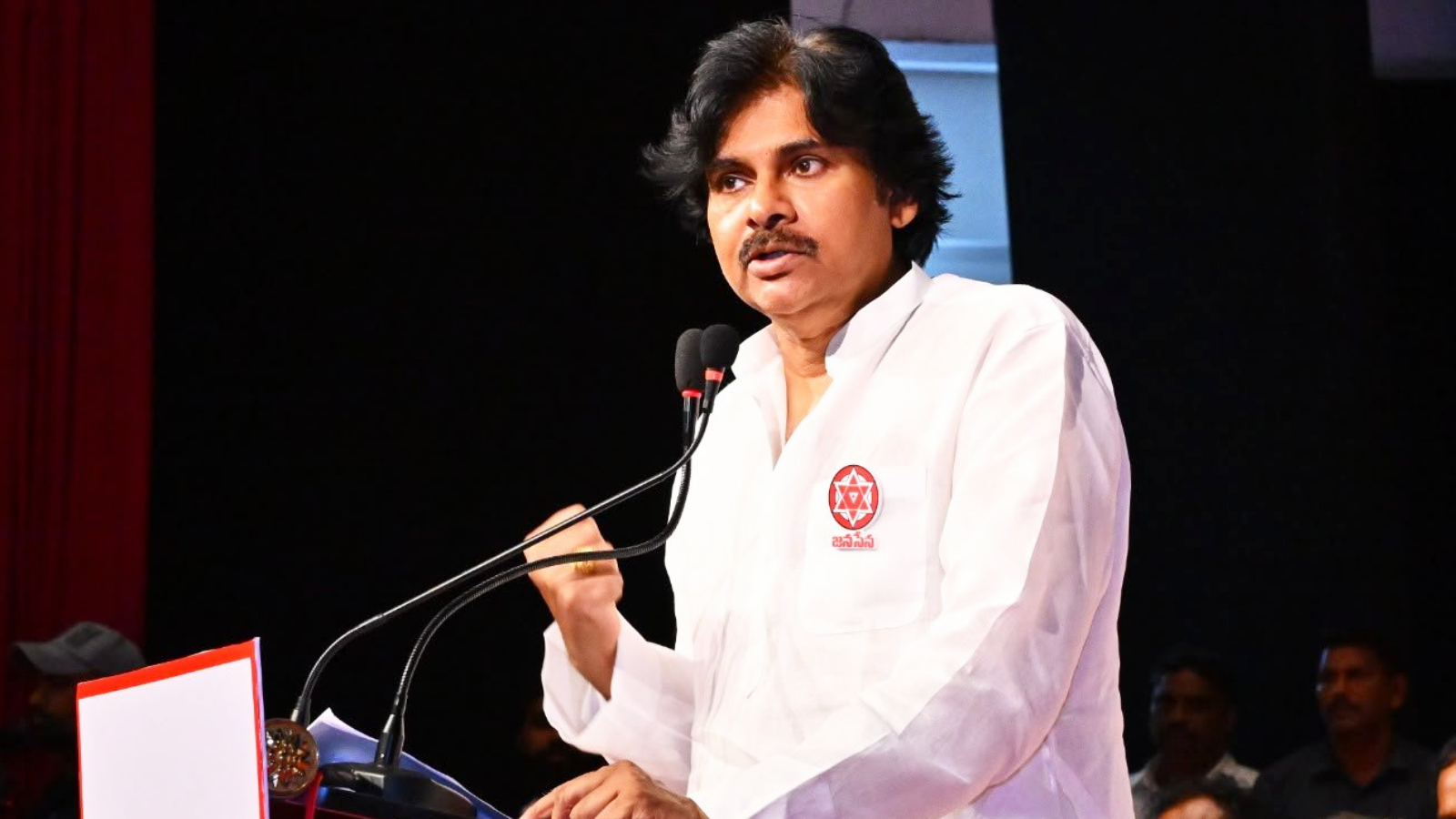
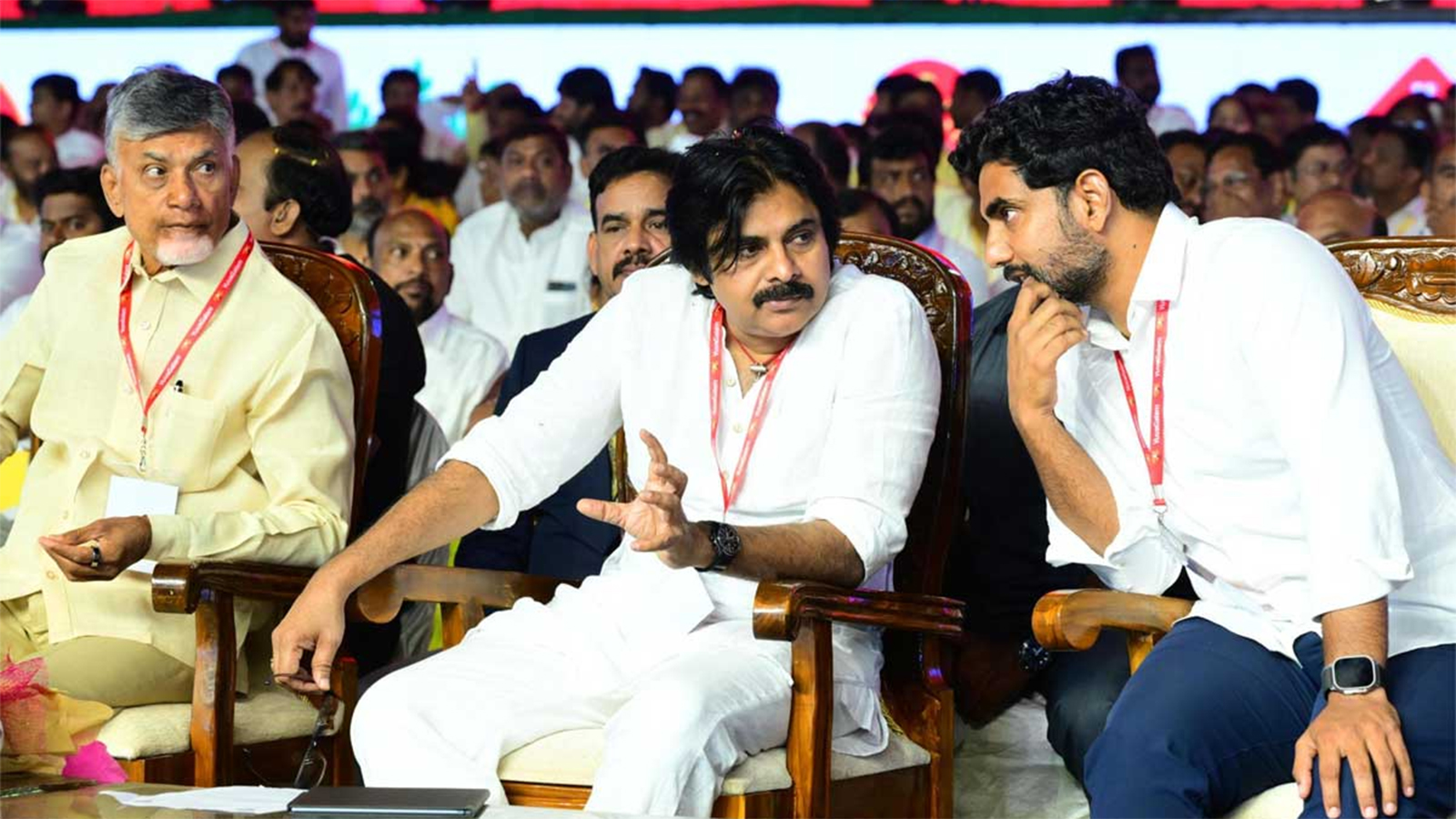
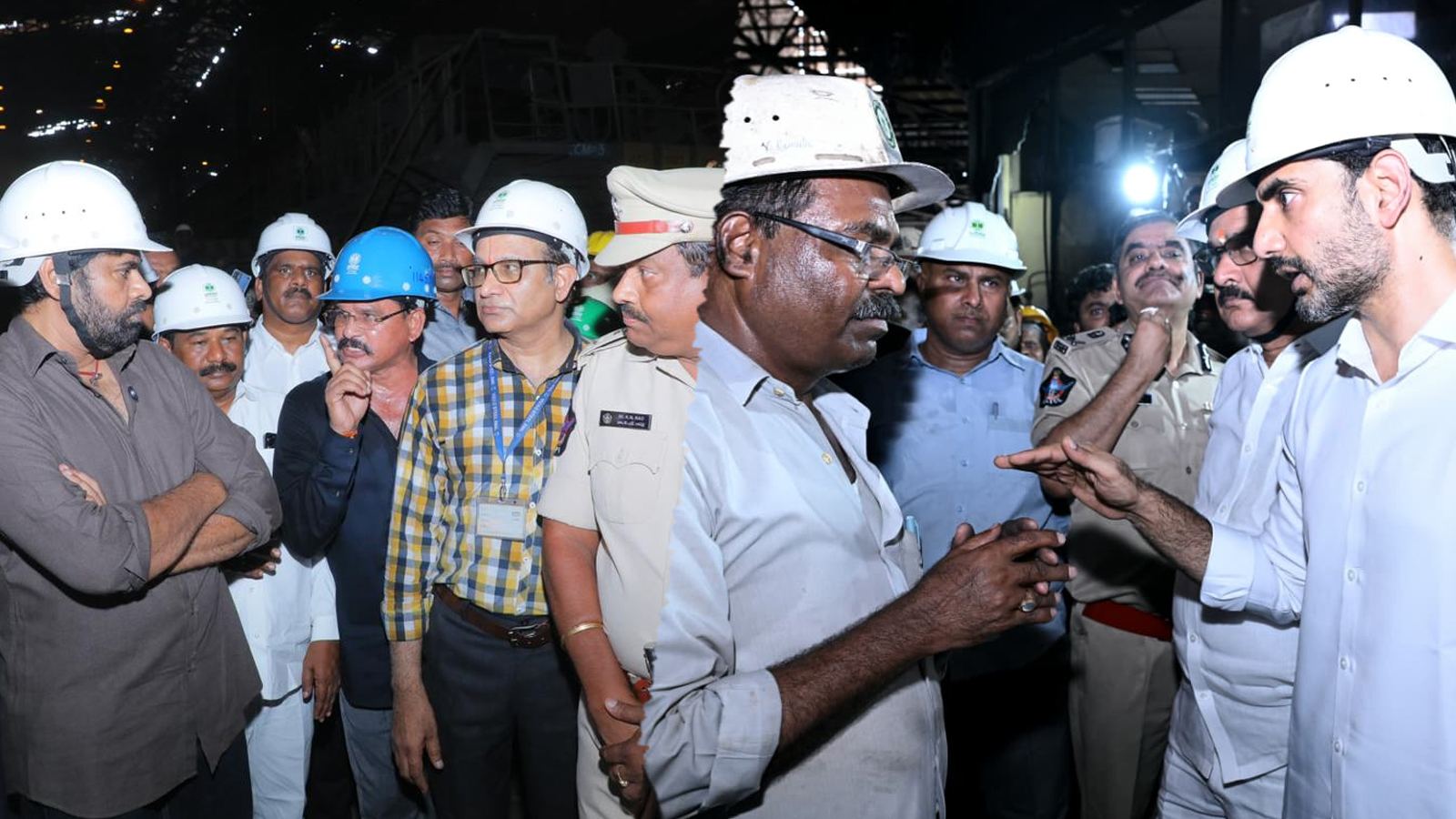
The recent responses of Deputy Chief Minister Pawan Kalyan and Minister Nara Lokesh at the Visakhapatnam Steel Plant represent a radical departure from this detached style of governance.
Standing directly in front of aggressive trade union leaders, facing raw, unfiltered questions with mics thrust in their faces, these leaders chose engagement over insulation.
As captured verbatim in the press footage, Pawan Kalyan did not shy away from confronting what he termed the “punching bag paradox”, the tendency of the public to aggressively target the leadership currently trying to solve a crisis while offering selective amnesia to the structural failures of the past.
Similarly, Nara Lokesh openly challenged the reductionist demands of certain union leaders, arguing that true responsibility goes beyond a “cash-and-carry” approach, pushing instead for a historic mandate of permanent jobs for the kin of all deceased workers, regardless of their employment status.
This is a high-wire act in political communication. By stepping out of the comfort zone of a sterile camp office, these leaders are exposing themselves to immediate political vulnerability.
However, it signals a healthy evolution in our democracy. When leaders stand on the ground, absorb the anger of the people, and argue their case with facts and policy rather than evasion, it elevates the standard of political accountability.
It forces the public and the media to move past reactionary outrage and engage in a deeper conversation about legacy issues and long-term structural rehabilitation.
The Danger of Combative Governance
While the sight of top government ministers engaging directly with crowds on the ground might look like transparency on camera, it risks turning grave industrial tragedies into heated political theater.
A crisis zone demands empathy, immediate administrative efficiency, and solemnity, not defensive, open-air debates with grieving stakeholders.
The recent verbal clashes between the ruling alliance leaders and Vizag trade union representatives expose the pitfalls of this highly combative style of governance. When workers and union leaders are reeling from a horrific disaster that claimed eight lives, their immediate response will naturally be driven by intense anger, panic, and financial insecurity.
For a government to counter that raw emotion by complaining about being used as a “punching bag” or by scolding unions for demanding quick financial relief can easily be perceived as defensive and combative.
By constantly steering the conversation back to the failures of the previous YSRCP regime or accusing union leaders of playing politics during a funeral, the current leadership risks diluting their own positive policy triumphs, such as the genuinely commendable feat of securing permanent job guarantees for contract workers.
True statesmanship during a disaster means absorbing public frustration without throwing it back at the victims. When governance becomes overly conversational and defensive on the streets, it threatens to reduce a profound human tragedy into a relentless, 24-hour news cycle debate.