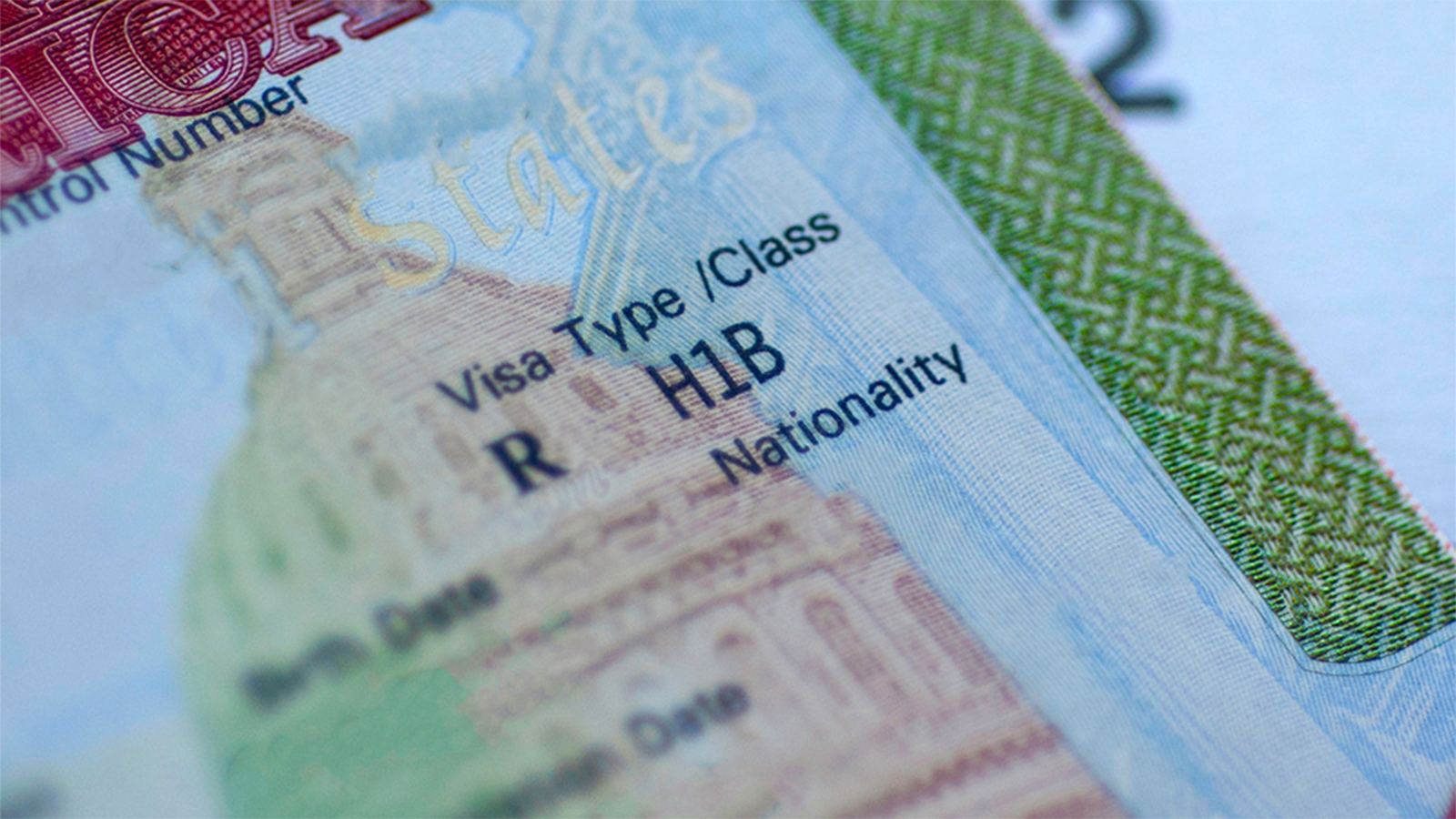
A new bill introduced in the US Congress has triggered massive panic among Indians, as it proposes a three-year halt on the H-1B visa system.
According to the proposal, the current visa system is being misused and needs tighter control to protect jobs for American citizens. But the scale of changes being suggested is significant enough to shake the entire system.
The bill proposes cutting the annual H-1B cap from 65,000 to 25,000. It also suggests a steep minimum salary of $200,000 per year, which would make hiring foreign workers far more expensive for companies. On top of that, a $100,000 application fee is being proposed for new visas from September 2025. There are also restrictions like preventing visa holders from bringing dependents and forcing workers to leave the US before switching visa categories.
Supporters say these measures are needed to ensure companies prioritize hiring Americans. They argue that firms should prove they cannot find local talent before turning to foreign workers.
But the real impact goes much deeper, especially for India.
The H-1B visa is heavily used by Indian IT professionals to work in the US. For decades, it has been a key pathway for engineers, developers, and tech specialists to build global careers. If these changes come into effect, the Indian IT ecosystem will feel the pressure immediately.
The sector is already going through a difficult phase due to rapid changes brought by AI and automation. Hiring has slowed, and companies are restructuring. A tighter H-1B system would add another layer of stress, limiting overseas opportunities that many professionals depend on.
For Indian students already in the US, the path they usually follow, study, then move to Optional Practical Training, then H-1B, and eventually a Green Card, could become much harder. Without a clear transition to H-1B, staying back after studies will become uncertain.
Many may start looking at alternatives like Canada, the UK, Germany, or Australia instead of the US.
Indian students contribute an estimated $8–11 billion every year to the US economy through tuition fees and living expenses. If fewer students choose the US, universities and local economies will feel that loss.
At this stage, the bill is still under consideration, and there is no clarity on whether it will become law. But even the possibility of such changes has created shivers.