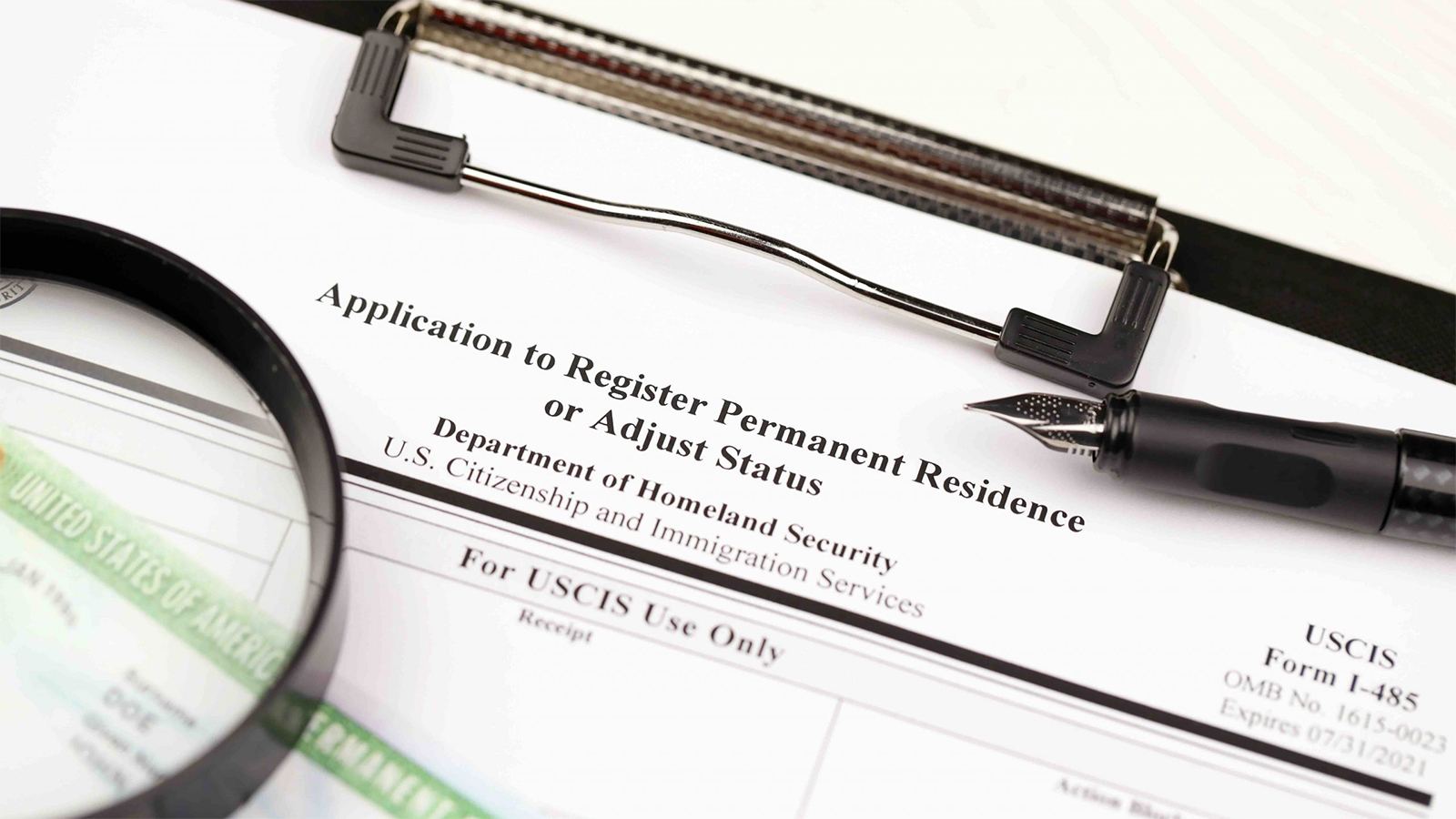
An international worker on an H-4 visa is currently facing uncertainty over their PERM labour certification. The individual had earlier switched to an H-4 visa with work authorisation after reaching the six year limit on their H-1B visa.
The worker is now waiting for approval of the PERM labour certification filed by their employer in October 2024. A decision on the application is expected soon, but a corporate development has complicated the situation.
During the waiting period, the worker’s original company was acquired by a new corporate entity. Such changes often affect ongoing immigration processes, especially when labour certification or green card filings are involved.
The new entity has reportedly refused to provide a Successor in Interest document. This document allows a new employer to continue using an existing PERM labour certification filed by the previous company.
The Successor in Interest document is usually valid when the employee’s job role, work location and salary remain unchanged. Without this document, the new employer cannot continue the previous PERM application.
Immigration experts note that corporate acquisitions frequently complicate pending visa or green card filings. In many cases, companies prefer to file a completely new PERM application instead of continuing an older one.
If a fresh PERM application is filed, the worker’s immigration process could be delayed by at least a year. This possibility has created concern for the employee, who fears a prolonged period of uncertainty.
Experts also say that if an employer refuses to issue a Successor in Interest document, there are limited options available. In such cases, the only practical solution may be to start a new PERM labour certification process.
The worker has been advised to seek legal guidance and review the details of the corporate acquisition. Legal experts may determine whether the Successor in Interest option can still be pursued.
Another option suggested is a self sponsored green card route such as the EB-2 National Interest Waiver. However, immigration experts caution that approval rates are relatively low and rejections could delay the process further.