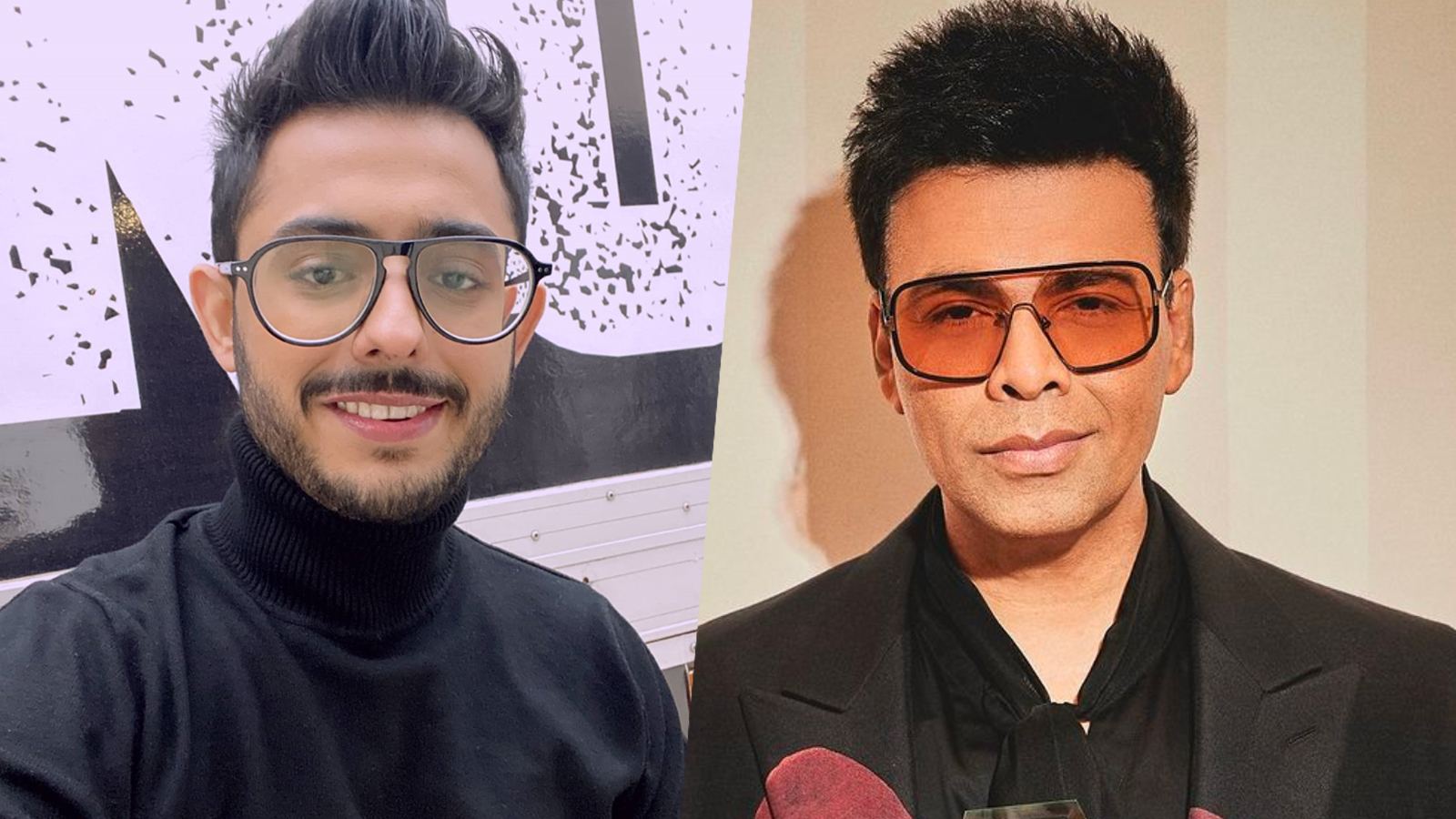
A Mumbai court has restrained YouTuber CarryMinati, also known as Ajay Nager, from posting allegedly defamatory content against filmmaker Karan Johar. The order has sparked debate across digital platforms.
The case highlights growing legal scrutiny over online content. It brings attention to the thin line between humour, parody and personal reputation. Digital creators today operate in a highly visible space.
While social media offers wide creative freedom, that freedom is not without limits. Laws relating to defamation continue to apply to online platforms. Courts have repeatedly stressed that speech must respect legal boundaries.
The rise of video sharing platforms has blurred the gap between entertainment and accountability. Content created for satire can quickly reach millions. However, if it harms someone’s reputation, legal action may follow.
Indian courts recognise the importance of free speech. At the same time, they maintain that the right is not absolute. It must be balanced with an individual’s dignity and reputation.
This development serves as a reminder for content creators. Responsible expression requires awareness of both legal and ethical considerations. Digital influence carries responsibility along with popularity.
As the influencer economy expands, such cases may become more frequent. The challenge lies in protecting creative expression while preventing potential misuse. The debate around freedom of speech continues.