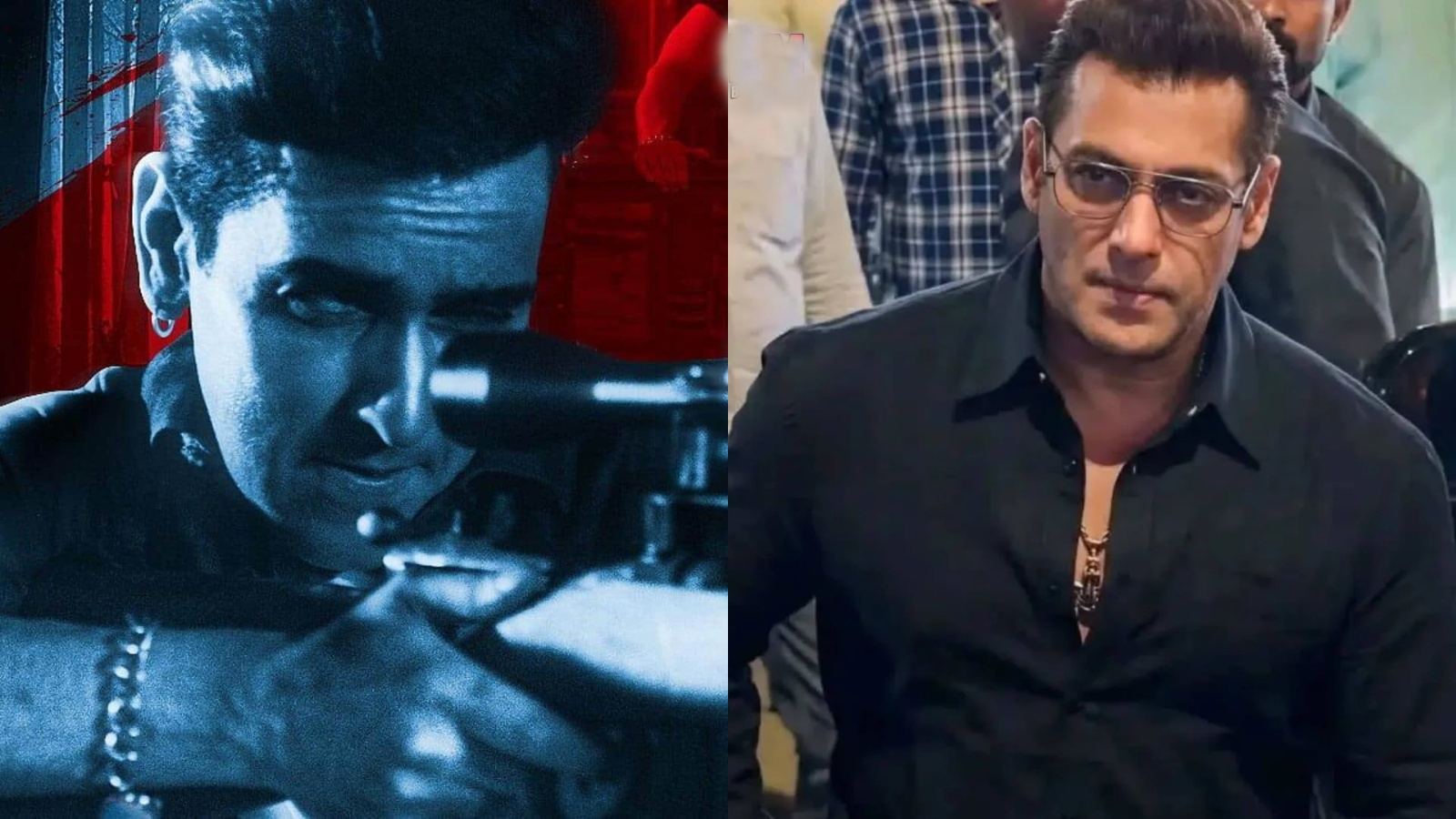
The controversy surrounding Kaala Hiran: The Battle for Legacy was perhaps inevitable from the moment the title was announced.
The film is widely believed to draw inspiration from one of the most publicized chapters in Salman Khan’s life.
It’s about the blackbuck poaching case that has remained part of public discourse for nearly three decades.
A legal notice from the superstar’s team, allegations of threats against the producer, and the inevitable social media war have only amplified the attention.
But beneath the headlines lies a far more interesting question: Is Kaala Hiran an exercise in storytelling, or an example of cinema using controversy as a marketing strategy?
Cinema has always borrowed from real life. Some of the greatest films ever made have been inspired by crimes, scandals, political controversies, corporate frauds, and celebrity lives.
The argument supporting such films is straightforward. Once an event becomes part of public memory, artists should have the freedom to interpret and examine it.
However, there is a crucial distinction between exploring a controversy and exploiting one.
The challenge becomes particularly complicated when the subject is not a historical figure but a living celebrity with an active career and an intensely loyal fan base.
A title like Kaala Hiran immediately evokes a specific association in the minds of audiences.
The film does not need to explicitly mention Salman Khan for viewers to understand the reference.
That is where the ethical grey area begins.
If the film genuinely examines larger issues, it can justify its existence as a piece of cinema.
But if the controversy itself becomes the primary selling point, then critics are justified in asking whether the film is offering insight or merely harvesting attention.
The timing is also interesting.
We are living in an era where outrage has become one of the most effective marketing tools.
A legal notice generates headlines. Fan wars generate engagement. Social media debates generate visibility.
Sometimes a controversy can give a film more publicity than an expensive promotional campaign ever could.
That reality makes audiences increasingly sceptical. They no longer ask only whether a film is based on a real event.
They ask whether the event is being used because it deserves exploration or because it guarantees free publicity.
The Salman Khan factor makes the situation even more explosive.
Few Indian stars command the kind of emotional loyalty that Salman does. For millions of fans, criticism of the actor often feels personal.
As a result, any project perceived as targeting him inevitably attracts intense reactions, regardless of its actual content.
This is why filmmakers dealing with real-life controversies carry a greater responsibility than ever before. Provocation alone is easy. Meaningful storytelling is much harder.
The strongest films inspired by real events do more than recreate headlines. They provide context. They challenge assumptions. They force audiences to think differently about familiar narratives.
As the debate around Kaala Hiran continues, the most important question remains unanswered because nobody has seen the finished film yet.
Will it be remembered as a thoughtful examination of a chapter that fascinated the nation? Or will it join the growing list of projects that mistake controversy for storytelling?
The answer may determine whether Kaala Hiran becomes cinema, or simply content engineered for outrage.