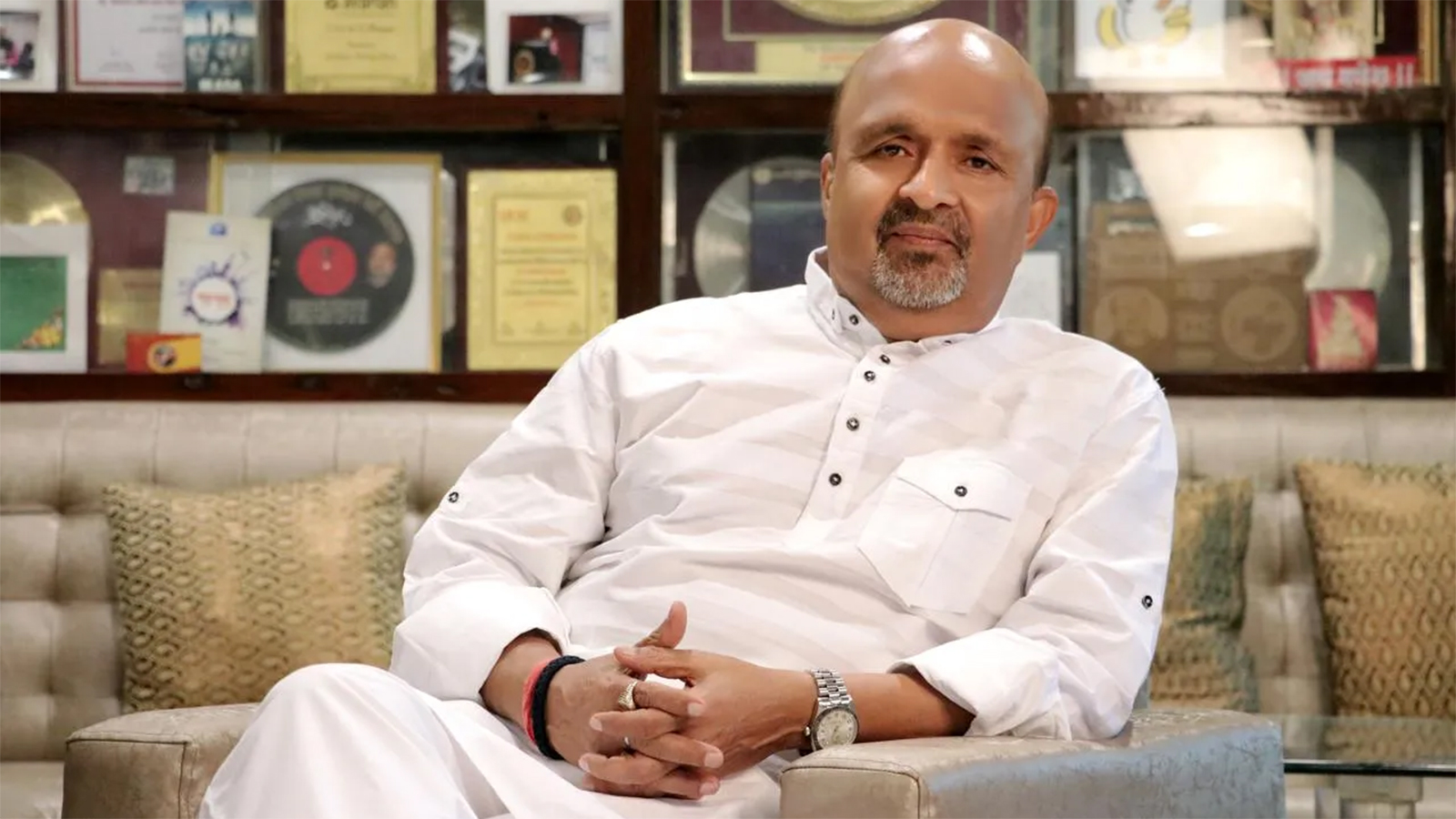
Sameer has raised serious questions about the way Bollywood treats music today. The lyricist argued that the industry has reduced songs to background noise instead of allowing them to become an important part of a film’s storytelling. Sameer also criticised the excessive dependence on old songs in films such as Dhurandhar and Chauhaan.
He began by pointing out that good music never really becomes outdated. According to him, songs that connect with audiences can continue to be loved even 100 years later. He also questioned the industry’s decision to rely almost entirely on young talent while ignoring experienced composers and lyricists who have delivered successful music in the past.
He clarified that he was not questioning the talent of newcomers. Instead, he argued that the old and new generations should be allowed to work together. He cited his collaboration with Sachin-Jigar in FALTU, where he wrote youthful songs such as Aaltu Jalaltu and Chaar Baje Gaye Lekin Party Abhi Baaki Hai.
Sameer also asked how composers such as Anand-Milind and Anu Malik could prove their relevance if producers stopped giving them opportunities.
He further claimed that the lack of variety had affected singers such as Arijit Singh, whose work had become monotonous because he was not being offered different kinds of songs.
Sameer was particularly upset with Dhurandhar and Chauhaan, and accused their makers of using music merely as background decoration. He pointed to Jumma Chumma playing behind the action in Chauhaan and the recreation of his song Hum Pyaar Karne Waale in Dhurandhar The Revenge, where gunfire reportedly takes precedence over the song.
He also questioned why major banners led by Aditya Chopra, Karan Johar and Sajid Nadiadwala no longer appear to patronise memorable music. Recalling music director Nadeem Saifi’s optimistic words, Sameer suggested that the current trend may continue until the industry eventually rediscovers the value of songs.