You may not notice it right away, but one major reason fewer people go to theaters today is the way movie trailers are made. Once designed to build curiosity, trailers now often reveal too much, leaving little for you to discover on the big screen.
Trailers first arrived in India in the 1950s. In fact, Satyajit Ray is said to have created the very first one for Pather Panchali in 1955. Back then, trailers gave you just a glimpse of what to expect, supported by posters, radio ads, and loudspeaker campaigns.
In the 1960s, trailers became common in theaters. They usually appeared a week before a film’s release, and only after the censor board approved the full film. Even today, despite the industry’s progress, trailers remain central to drawing audiences into cinema halls.
But here’s the shift—you now see trailers functioning more like short social media reels meant to go viral. Instead of teasing you with a few glimpses, they often spell out the entire story before the film even releases.
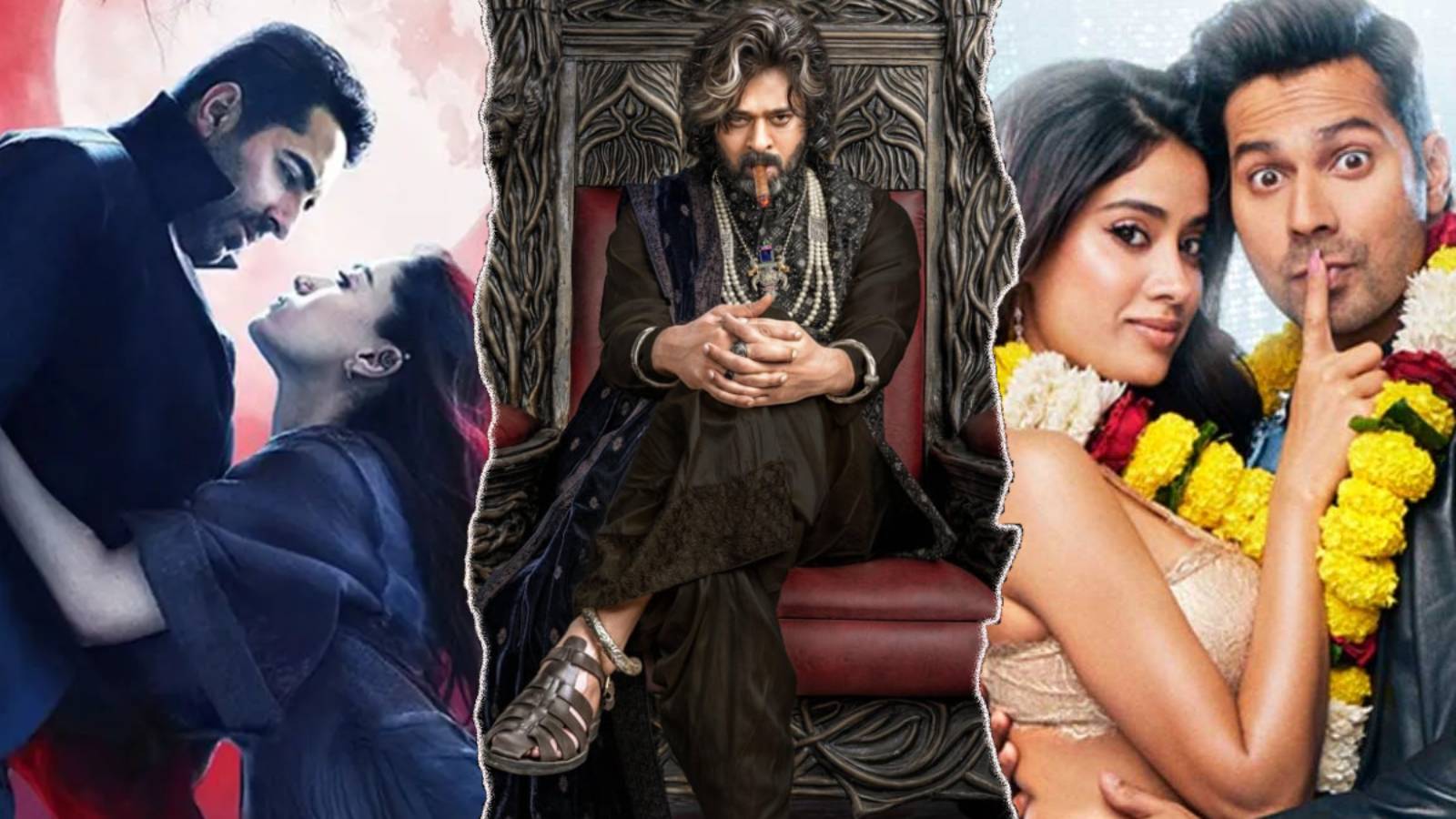
Recent examples include Thaama, Sunny Sanskari Ki Tulsi Kumari, and The Raja Saab. Many trailers openly reveal plots, character arcs, and even emotional climaxes. For you as a viewer, this kills excitement. Why watch a film when you already know the twists?
Industry Trollers argue this trend damages curiosity and weakens the theater experience. Once a tool to ignite anticipation, trailers have now turned into spoilers that strip away the joy of surprise.
Experts say the pressure of ticket sales and analytics-based marketing drives this change. Studios want maximum reach online, even at the cost of storytelling. But in doing so, they risk destroying the very magic that makes cinema special.
If Bollywood and Indian cinema want to keep audiences hooked, filmmakers must return to trailers that protect mystery. You should walk into a hall eager to discover, not already knowing what’s ahead. Cinema thrives on curiosity, and trailers should respect that.