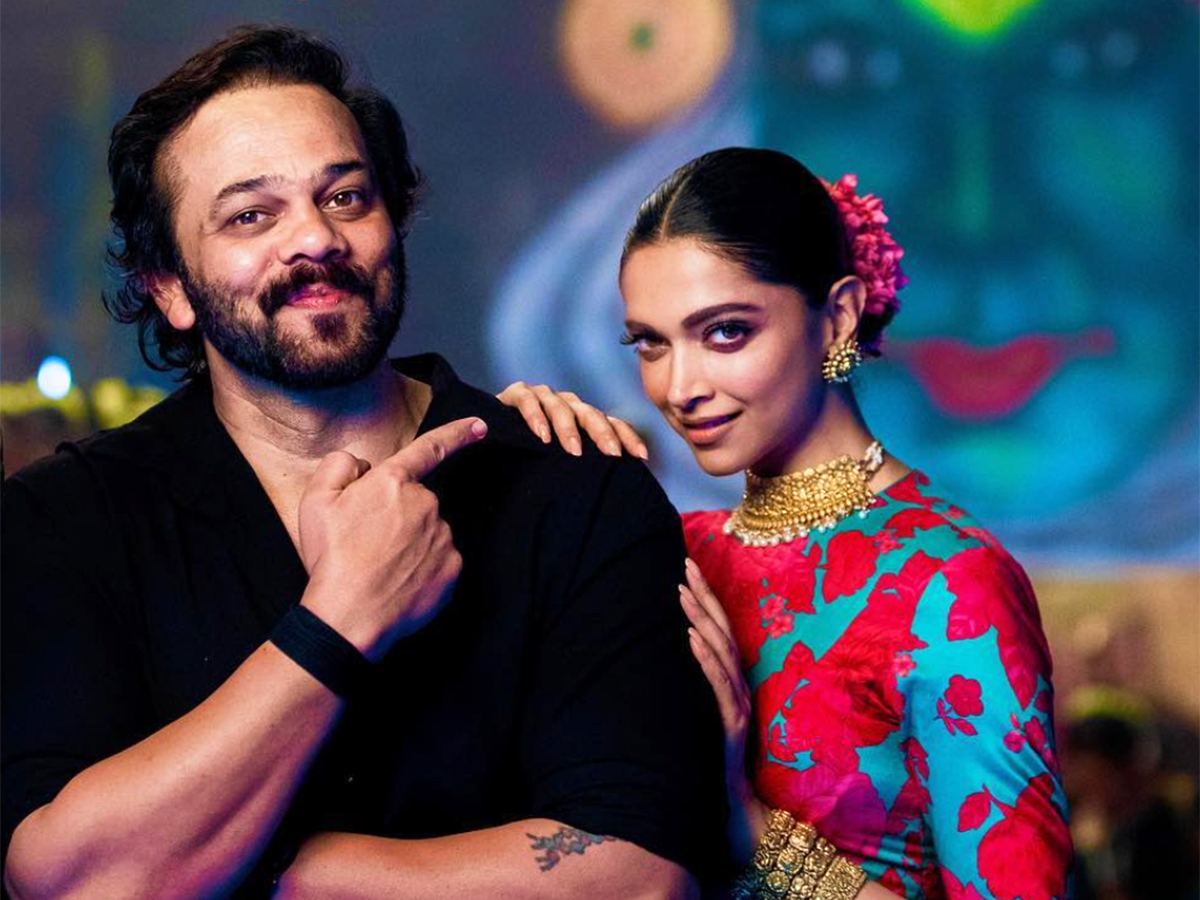
The recent discussion around Deepika Padukone’s call for an 8-hour workday in the film industry has brought attention to some long-standing issues in Bollywood’s work culture.
Rohit Shetty’s viral video commenting that one should deliver work worth ₹1000 even if paid ₹100, struck a chord with many.
But while it may sound motivational, it also reflects a mindset that often glorifies overworking and overlooks the importance of fair pay and healthy work-life balance.
This kind of thinking doesn’t reflect the reality for thousands of struggling actors who put in long hours for small roles, usually without proper compensation or job security.
Unlike established stars, they don’t have the privilege to demand better working conditions.
Deepika, given her position, can speak out about the need for more balanced hours but most people in the industry simply don’t have that leverage.
Suggesting that long hours are a sign of commitment can be misleading, and it keeps the pressure on those with less power to accept exhausting schedules just to stay afloat.
Different views from actors like Rashmika Mandanna, who express willingness to work longer for their craft, only reinforce the idea that overwork is part of the deal whether or not it’s healthy or fair.
At the heart of the debate isn’t about working hard, it’s about making sure everyone in the industry, regardless of their fame, has access to fair and reasonable working conditions.
Until the system is more balanced, real progress will be hard to achieve, and the conversation will keep being shaped by those who already have influence.