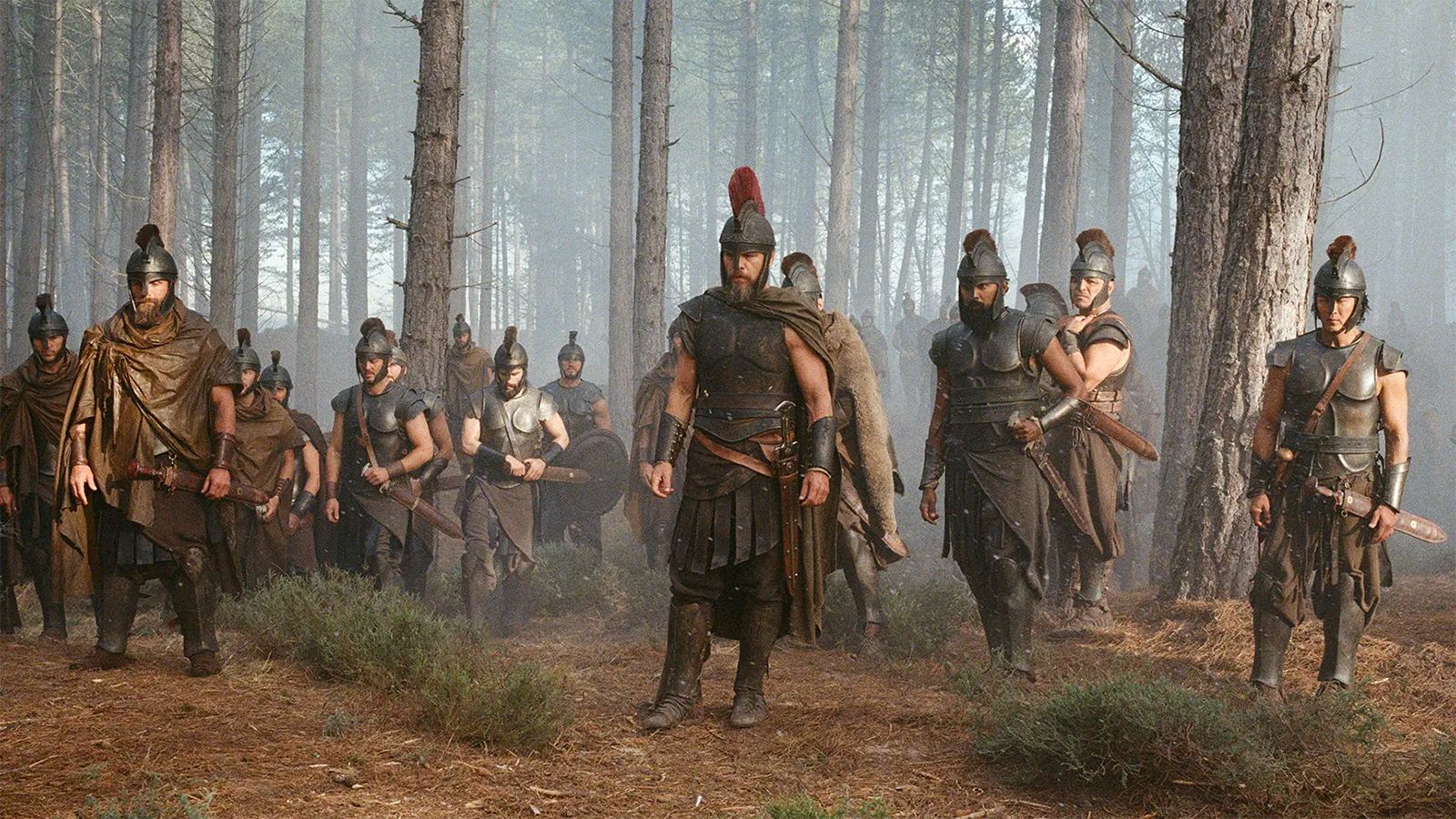
The entertainment industry is currently locked in a fierce debate over casting, diversity, and cultural authenticity. On one side, Hollywood studios push for colorblind casting in classic historical and mythological epics, framing it as progress.
On the other side, a growing and vocal segment of the audience argues that this approach fundamentally misunderstands how human beings connect with stories.
The core issue lies in a simple truth: audiences do not need a character to be a physical mirror of themselves to feel empathy, admiration, or sorrow.
When readers connect with Odysseus navigating the treacherous seas to reach home, or Helen dealing with the weight of Troy’s downfall, they do so because they recognize universal human traits: courage, grief, pride, and survival.
True cinematic connection is forged through shared human values and emotional struggles, not shared skin tones or ethnic backgrounds.
Furthermore, erasing the specific cultural, geographic, and historical roots of a story in the name of modernization can often strip the narrative of its weight. Epics from ancient Greece, ancient India, or West Africa are not generic templates; they belong to distinct histories and mythologies that shaped their worldviews.
Slapping modern, diverse faces onto roles tied to a specific ancient European heritage can feel less like genuine inclusion and more like an institutional shortcut.
True representation does not mean retrofitting diverse actors into historically European settings. Instead, it means having the creative courage to finance, produce, and celebrate original stories rooted in African, Asian, Indigenous, and South American mythologies and histories.
By respecting the cultural specificity of every heritage while trusting the audience’s universal capacity for empathy, cinema can achieve authentic diversity without sacrificing cultural accuracy.