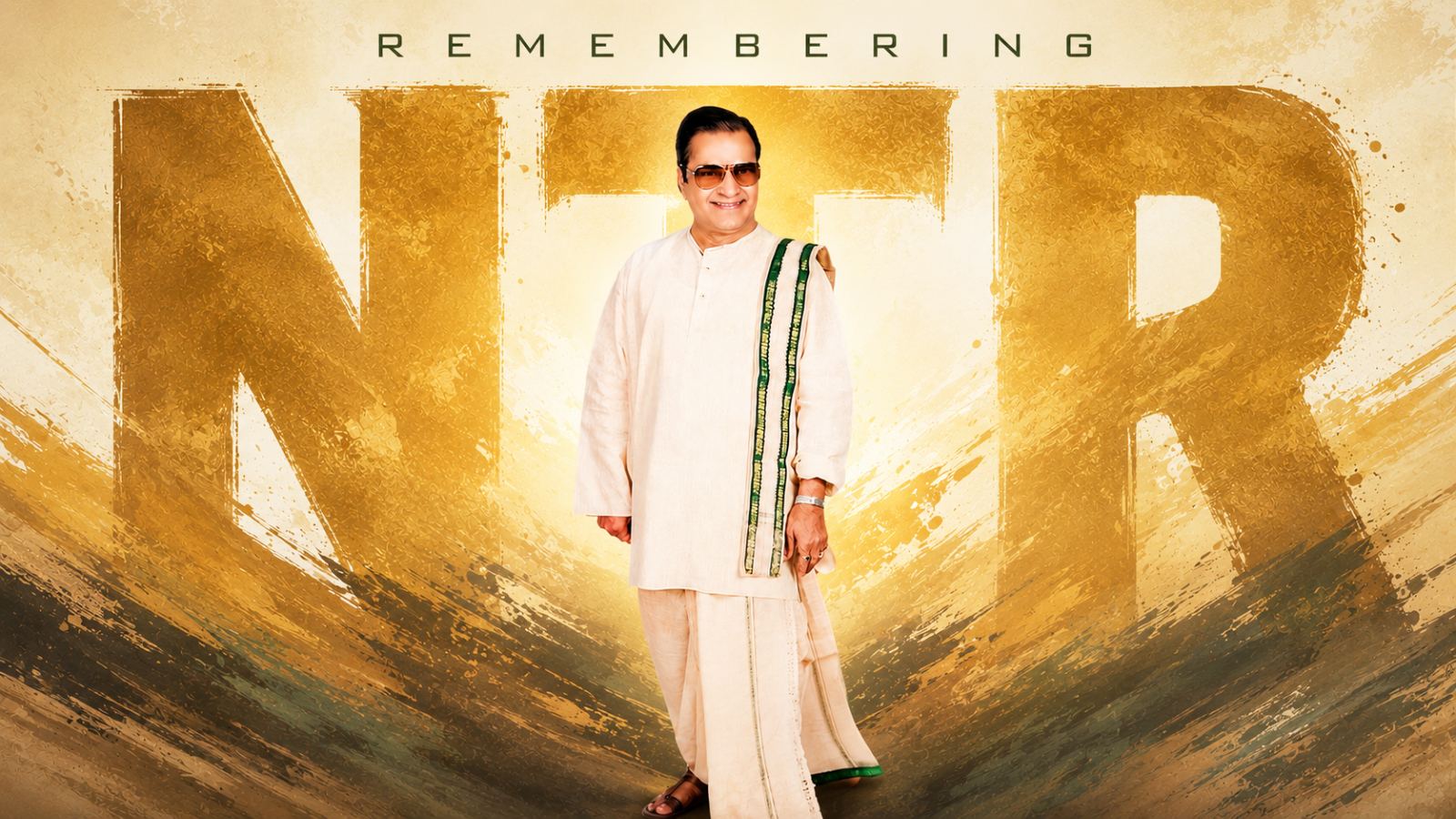
Once upon a time in a small village in Andhra Pradesh, a young boy named Rama Rao looked at the world around him and decided to dream big. He didn’t just want to be an actor; he wanted to capture the very soul of his people.
With a fierce discipline that would define his entire life, he stepped onto the silver screen. He began an extraordinary journey that lasted over four decades and spanned nearly 300 films.
Today, on May 28, 2026, the entire region pauses to celebrate his milestone 103rd birthday, remembering a man who completely reshaped Telugu history.
Whenever he played characters like Lord Krishna or Lord Rama, his acting was so powerful and filled with divine grace that people didn’t just see a movie star. They truly believed they were looking at a god.
Families across the land would wash their hands, light incense sticks, and bow before his pictures in their homes. His face became forever stitched into the cultural heart of Telugu land.
But he didn’t keep his massive stardom just for the cameras. Whenever a natural disaster hit the country, he was the first to step out onto the hot streets to help.
During the terrible Rayalaseema drought of 1952, the war of 1965, and brutal regional cyclones, he walked among the common people holding a donation box.
He used his immense popularity to raise critical funds and food for those who had lost everything, proving that his heart belonged to the public.
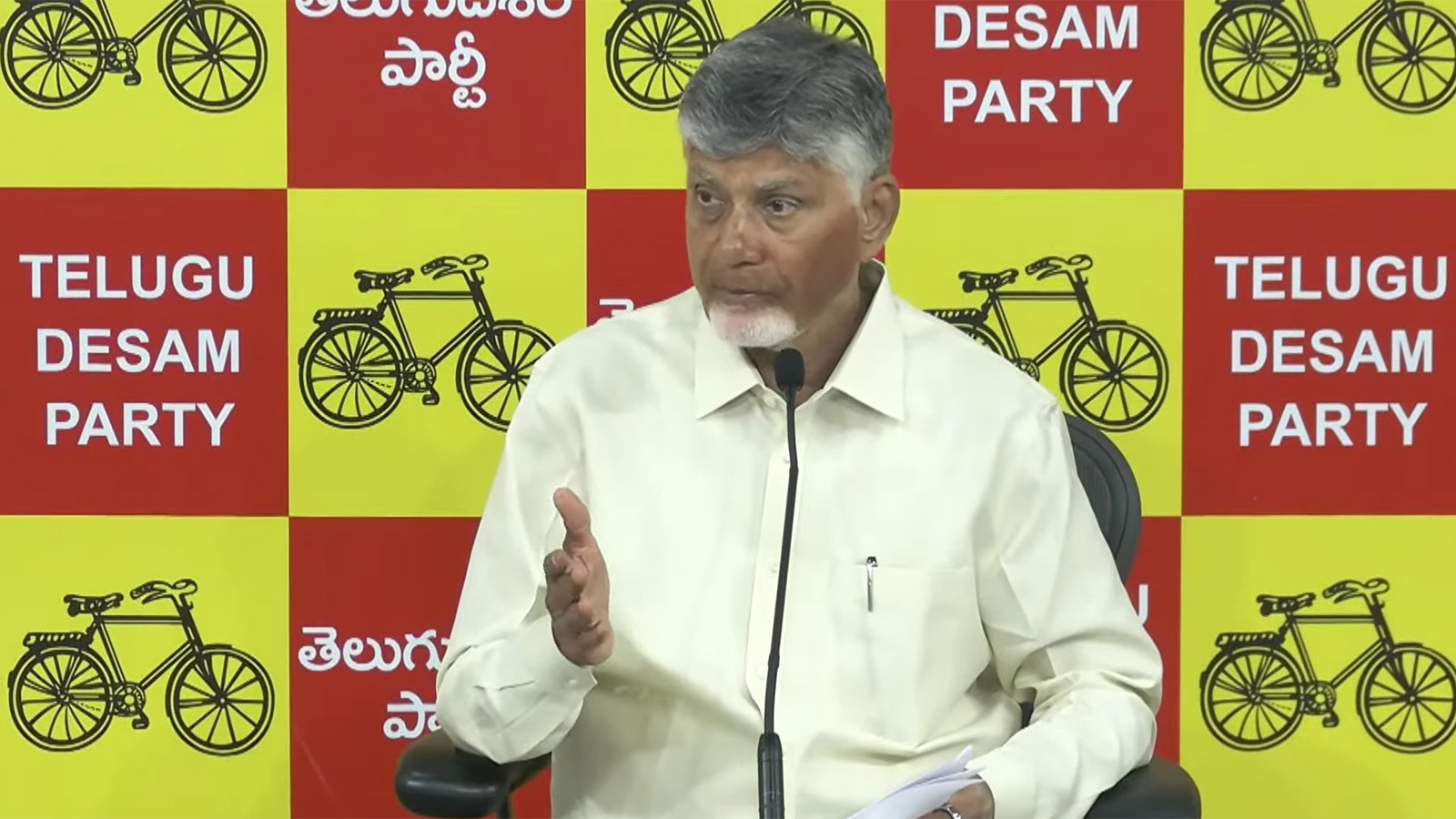
As the years rolled on, he realized his people needed a strong, independent voice in politics too. On a hot day in 1982, he launched the Telugu Desam Party.
He started the movement with a simple, powerful war cry: Telugu Vari Atma Gauravam—restoring Telugu self-respect.
Riding in a modified yellow vehicle called the Chaitanya Ratham, he traveled to every single corner of the state, sleeping on roadsides and eating with the poor.
In a historic feat that shocked the entire nation, he swept the elections and became the Chief Minister within just nine months of forming his party.
As a ruler, he changed the daily lives of millions by introducing the landmark ₹2-a-kilo rice scheme. This ensured that no poor child went to sleep on an empty stomach.
He also boldly tore down old, corrupt local administrative systems that exploited poor villagers for generations.
Instead, he created the modern Mandal system, bringing government offices right to the doorstep of small villages so common people didn’t have to travel miles for justice.
He firmly believed that a society could never move forward if its women were left behind. He passed a historic law that gave daughters an equal right to inherit family property on par with sons.
To back this up, he built the state’s very first dedicated university just for women, opening up new doors of education and independence for thousands of young girls.
Eventually, his grand political vision grew bigger than his home state. He brought different regional leaders together to form a massive national coalition called the National Front.
Serving as its founding Chairman, he successfully helped to shape the central government in 1989. He proved to the entire country that regional identity and local pride deserved a seat at the highest table in Delhi.
On his 103rd birthday, though decades have passed since he walked among us, the story of the village boy who became a cinematic god and a champion of the poor lives on.
His life remains a timeless reminder that true power belongs to those who love, respect, and serve the masses with all their heart.