The South Indian film industry is facing a massive conflict between producers and theatre owners over OTT release rules.
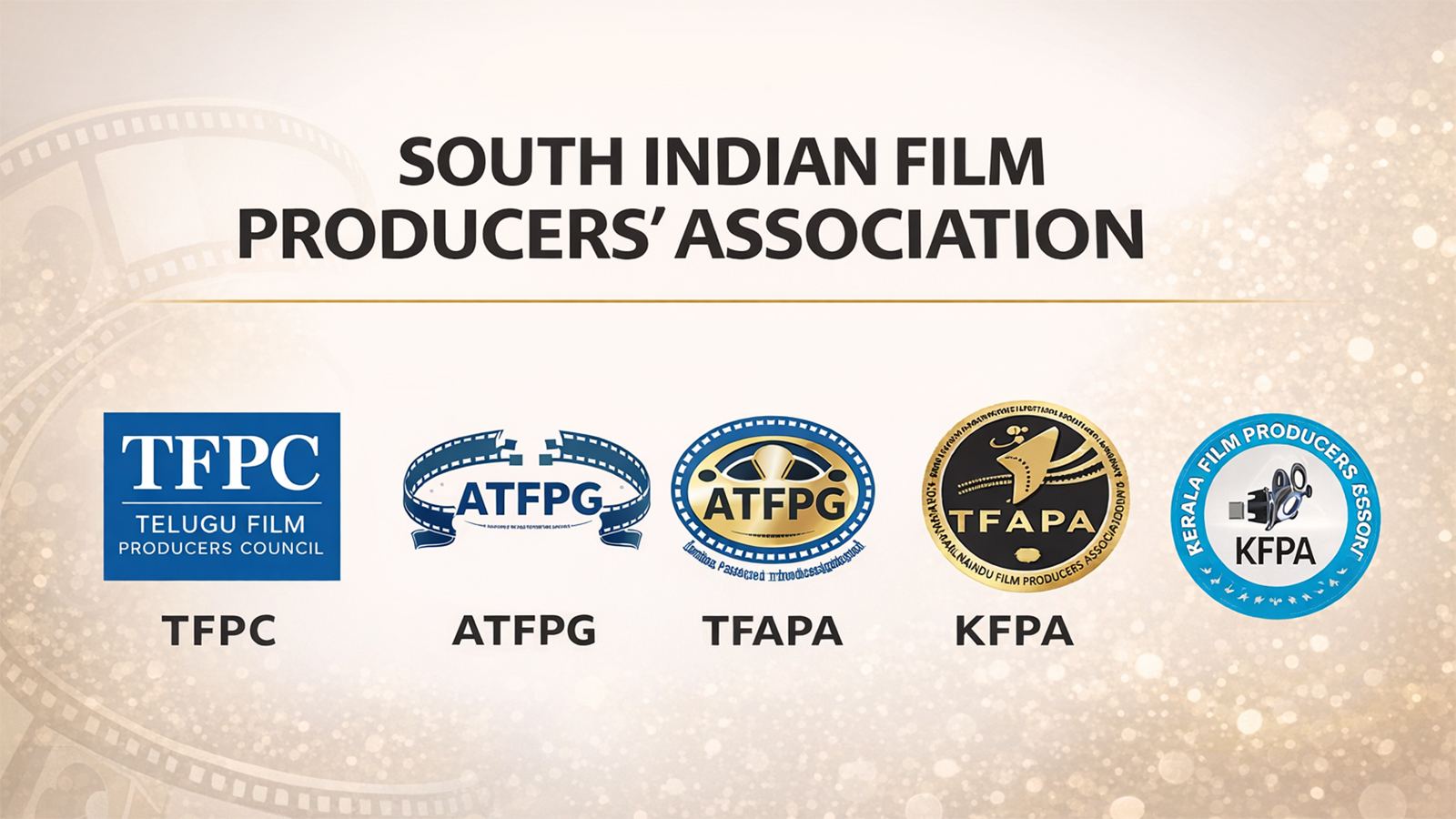
A new body called the South Indian Film Producers Association (SIFPA) has been formed by leading producers from Telugu, Tamil, Kannada, and Malayalam industries. This group has taken a strong stand, clearly saying that no one else has the right to decide when a film should be released on OTT platforms.
The main issue is simple. Theatre owners want a strict rule. Every film should have at least an 8-week gap before it comes on platforms like Netflix, Prime Video, or JioHotstar. Their argument is that this protects theatres and ensures audiences come to cinemas instead of waiting for OTT.
But producers are not okay with this. They say this rule limits their freedom and affects their revenue. In today’s market, OTT deals are a major source of income, especially for films that may not perform well in theatres. Locking films into an 8-week window can increase risk for producers, who are already investing huge amounts.
To address this, producers held a big meeting in Hyderabad and officially launched SIFPA. Their message was clear. OTT release timing is the producer’s decision, not something exhibitors can force.
They also announced a few key points:
1. No unilateral decisions by theatre owners will be accepted
2. Producers should not commit to OTT timelines without proper discussion
3. A joint committee has been formed to protect producers’ interests
4. The industry cannot function with sudden, one-sided rules
At the heart of this issue is control. Producers are saying they take the financial risk, so they should have the final say. Theatre owners, on the other hand, want to protect their business model.
There are also some real questions here. If producers get full freedom, some films may come to OTT very quickly, which could hurt theatres badly. But if strict rules are forced, smaller films might suffer because they depend heavily on OTT recovery.
Also, unity sounds strong on paper, but will all producers actually follow it? In the past, some have quietly made deals that suit them individually. If that happens again, this united front could weaken.
For audiences, this could go either way. If producers win, viewers might get films on OTT much faster. If exhibitors push back, delays could continue.
The next few weeks are crucial. Either both sides will sit down and find a middle ground, or this could turn into a bigger conflict affecting releases, revenues, and even theatre operations across South India.