Telugu cinema appears to be suffering from creative exhaustion. The obsession with larger-than-life heroes, grand visuals, and extreme violence has reached a point where storytelling is taking a back seat. Films like Ranabaali and The Paradise have once again brought attention to this growing problem.
The Aesthetic Trap
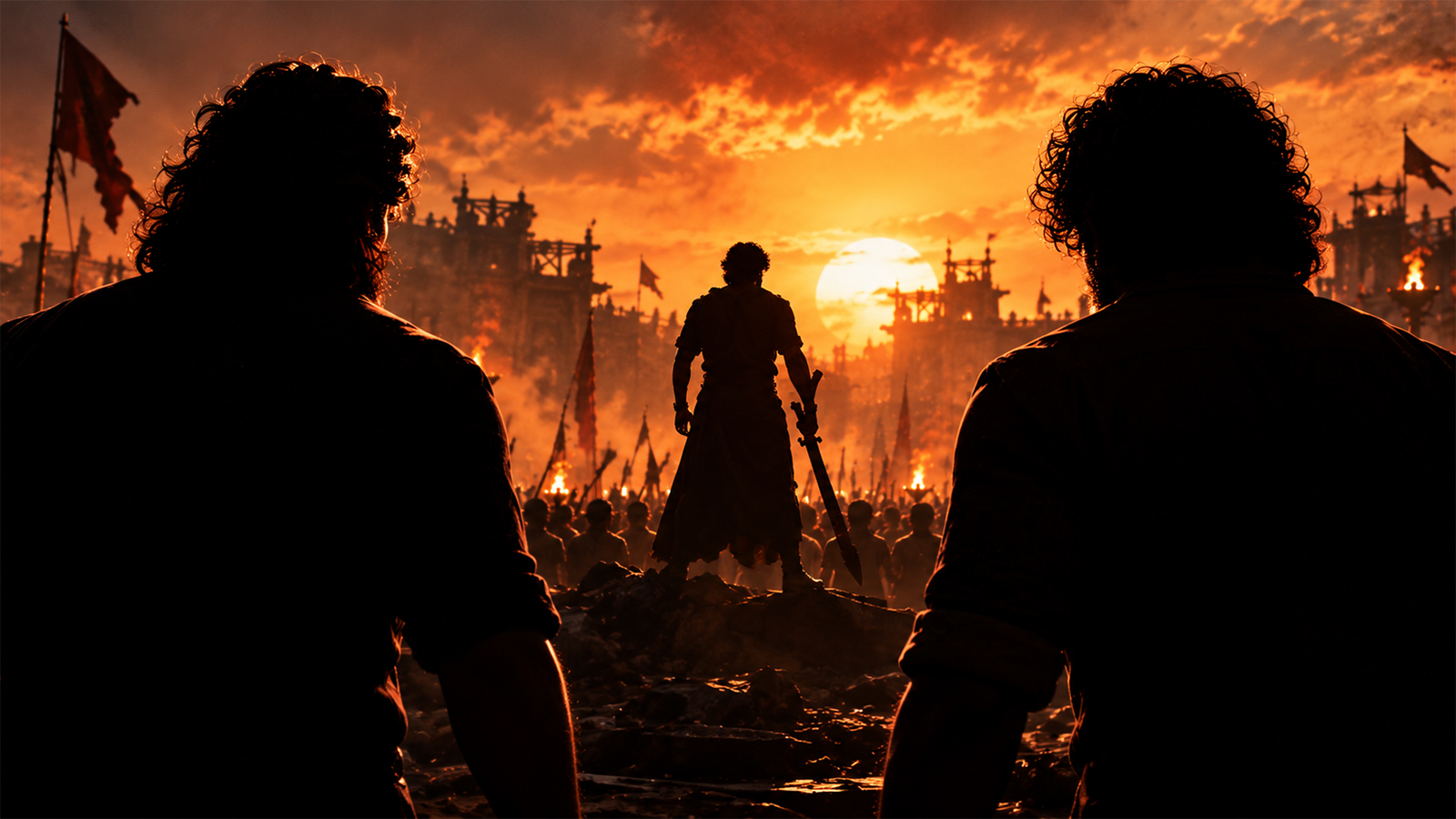
Filmmakers are spending huge amounts on period sets, dark lighting, rusted weapons, and decaying structures to create visually impressive worlds. These backdrops may deliver an initial wow factor, but production design alone cannot hold a film together.
Once the visual spectacle fades, weak writing becomes difficult to hide. Characters lack depth, their motivations remain unclear, and the story struggles to offer anything meaningful beyond its grand appearance.
The Repetitive Loop of Violence
The formula has become painfully predictable. A villain terrorizes an oppressed community, helpless people wait for a hero, women are tortured, children are killed, and the protagonist arrives to destroy the antagonist and rescue everyone.
The problem is that the oppressed characters are often reduced to helpless victims who exist only to make the hero look powerful. They have little agency, no meaningful evolution, and almost no role in resolving their own problems.
The action follows the same pattern. The hero cuts through waves of nameless henchmen, but there is little tactical suspense or emotional payoff. Violence becomes a substitute for genuine drama.
The Gory Facade
After the success of films like Baahubali and KGF, some filmmakers appear to have mistaken extreme violence for cinematic intensity. Graphic chopping off of heads and limbs and bloody action sequences are increasingly treated as proof of scale and seriousness.
But violence without strong character motivations is just spectacle. When audiences have no emotional investment in the conflict, these scenes become repetitive and exhausting rather than powerful.
The Bottom Line
The biggest casualty of the savior template is the hero himself. Actors like Nani and Vijay Deverakonda have the ability to deliver layered performances, but reducing them to one-dimensional killing machines wastes that potential.
Telugu cinema needs more than expensive sets, blood-soaked action, and heroes who rescue everyone. It needs stronger writing, complex characters, meaningful conflicts, and stories that give audiences a reason to care.
The mindless savior formula is done and dusted. Audiences now want something pleasant, refreshing, and enjoyable to watch on screen. Telugu cinema needs to move beyond this obsession with violence and give audiences characters, stories, and emotions that offer a welcome change from the endless cycle of bloodshed.