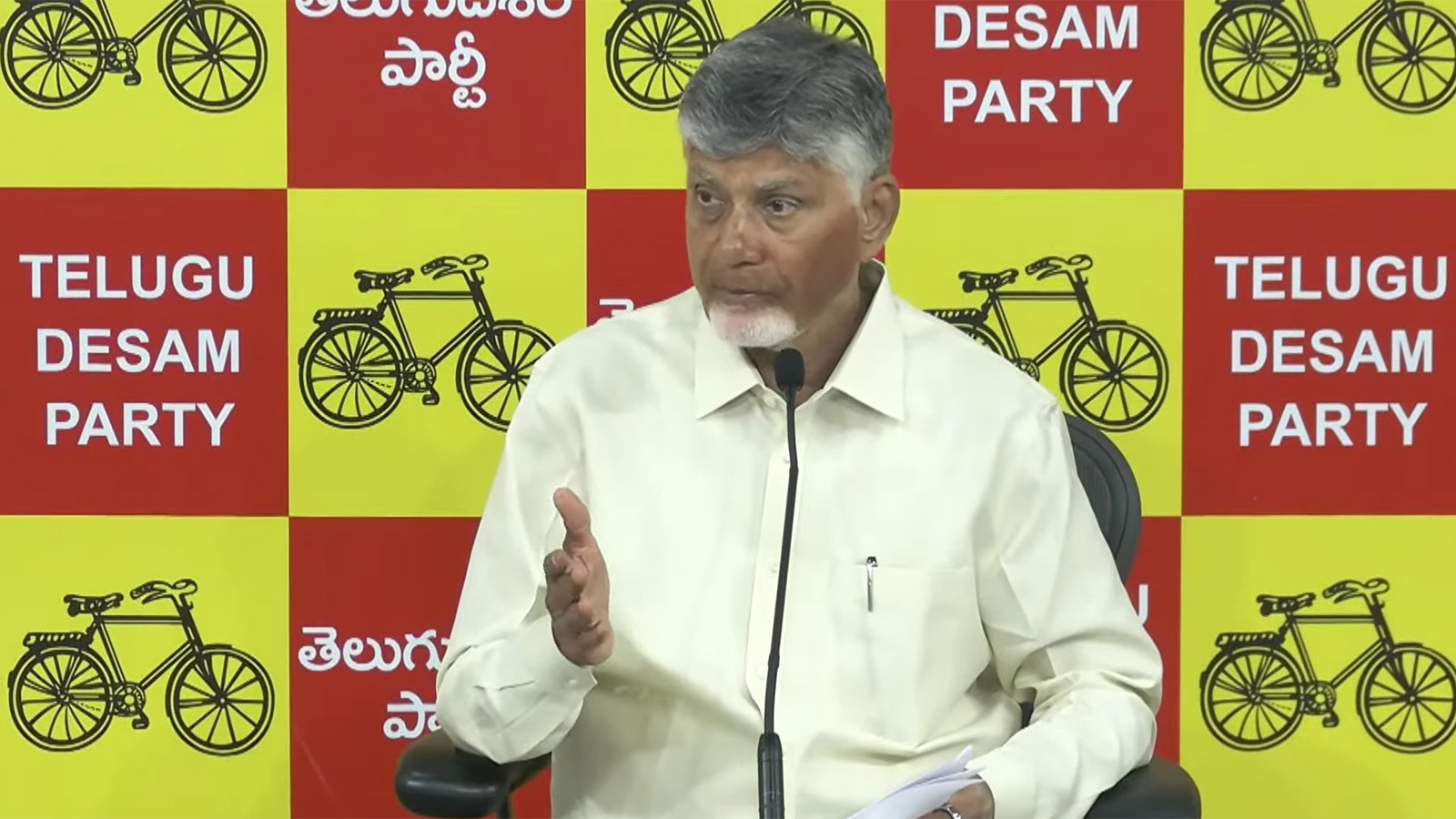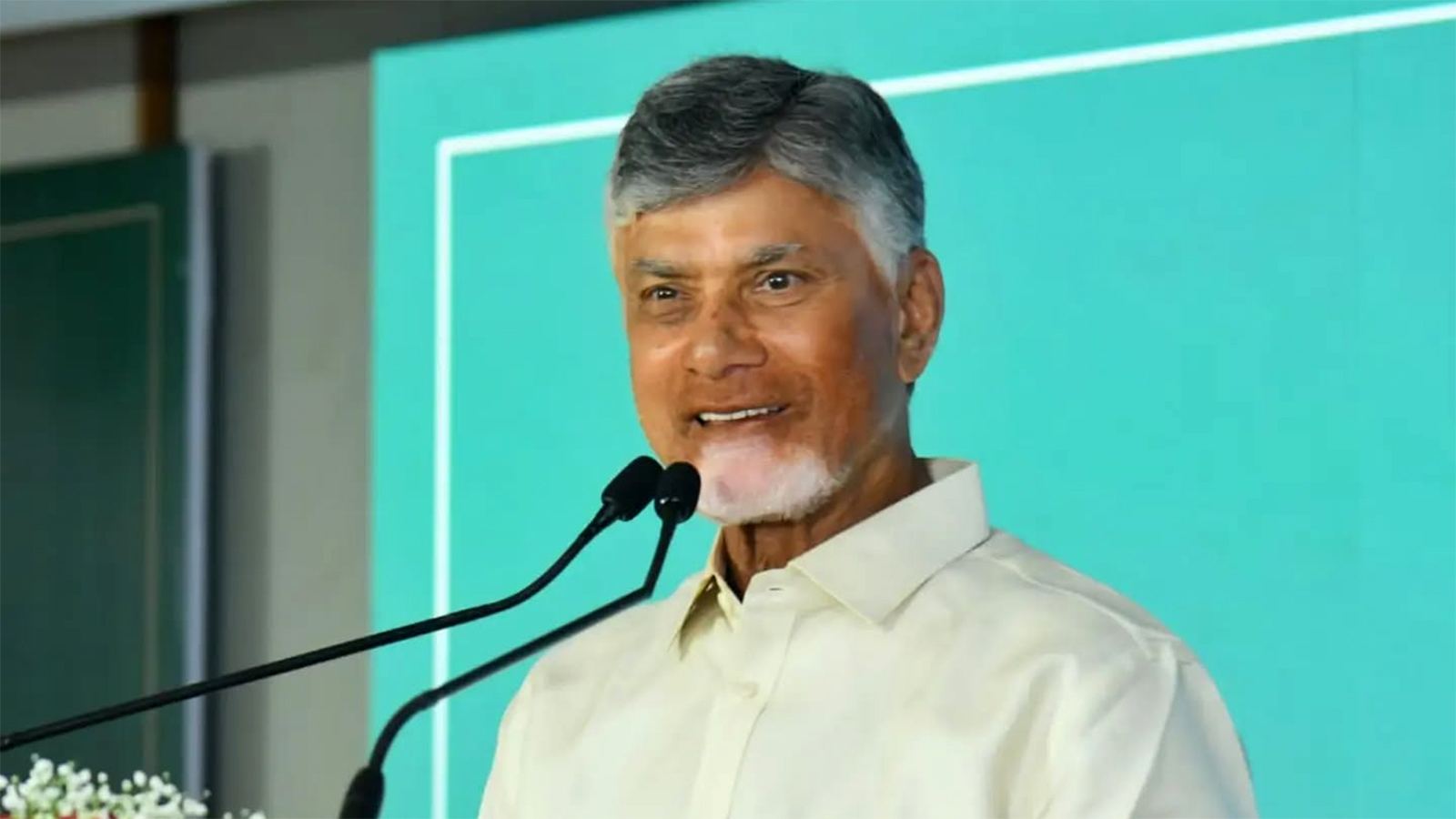
Chandrababu Naidu’s announcement of a direct cash incentive for families having a third and fourth child is a masterclass in forward-thinking governance. While most political leaders remain entirely consumed by short-term electoral cycles, Naidu has once again proven why he is widely regarded as an institutional visionary. By offering ₹30,000 for a third child and ₹40,000 for a fourth, the Andhra Pradesh government is directly confronting a looming demographic crisis that much of the country is actively ignoring. AP’s Total Fertility Rate has plummeted to an all-time low of 1.5, dragging the state’s average age significantly above the national benchmark and steering it toward an economically suffocating aging crisis. Naidu’s pro-natalist pivot is a timely, courageous intervention designed to secure a young, dynamic, and productive workforce that can sustain the state’s economic engine for decades to come.
Beyond the immediate economic scaffolding, this policy serves as a vital geopolitical shield for South India. With the national delimitation exercise on the horizon, states that successfully implemented family planning over the past few decades face the severe threat of losing substantial political representation and central tax devolution to states with surging populations. By aggressively advocating for “population care,” Naidu is strategically defending Andhra Pradesh’s long-term democratic leverage and financial equity in New Delhi. Furthermore, linking this upfront cash with broader structural promises, such as free education up to age 18 for the third child, enhanced nutritional support, and extended parental leave, demonstrates that the administration views children not as a financial burden, but as the primary asset for nation-building.
However, the noble intent of this policy faces a severe reality check when measured against the microeconomics of modern parenting. In an era dominated by high urban inflation, sky-rocketing private school fees, and extensive medical costs, a one-time handout of ₹30,000 is practically negligible. It does almost nothing to alter the calculus for middle-class and working-professional couples who choose smaller families primarily out of financial exhaustion. Additionally, with the state’s female labor force participation sitting at a low 31%, a policy that implicitly encourages women to step away from the workforce for multiple childbirths could inadvertently stall career progression and deepen corporate biases against working mothers.
M9 Conclusion: Chandrababu Naidu deserves immense credit for starting an essential national conversation on demographic sustainability. He has boldly rewritten the outdated rules of Indian population planning to safeguard the state’s political and economic future. Yet, for this grand vision to successfully transition into a real-world baby boom, the government must realize that cash handouts alone will not suffice. To truly convince an inflation-hit generation to expand their families, the state will need to move beyond one-time checks and aggressively build an ecosystem of universal state-funded childcare, reliable healthcare, and accessible, high-quality public education.